
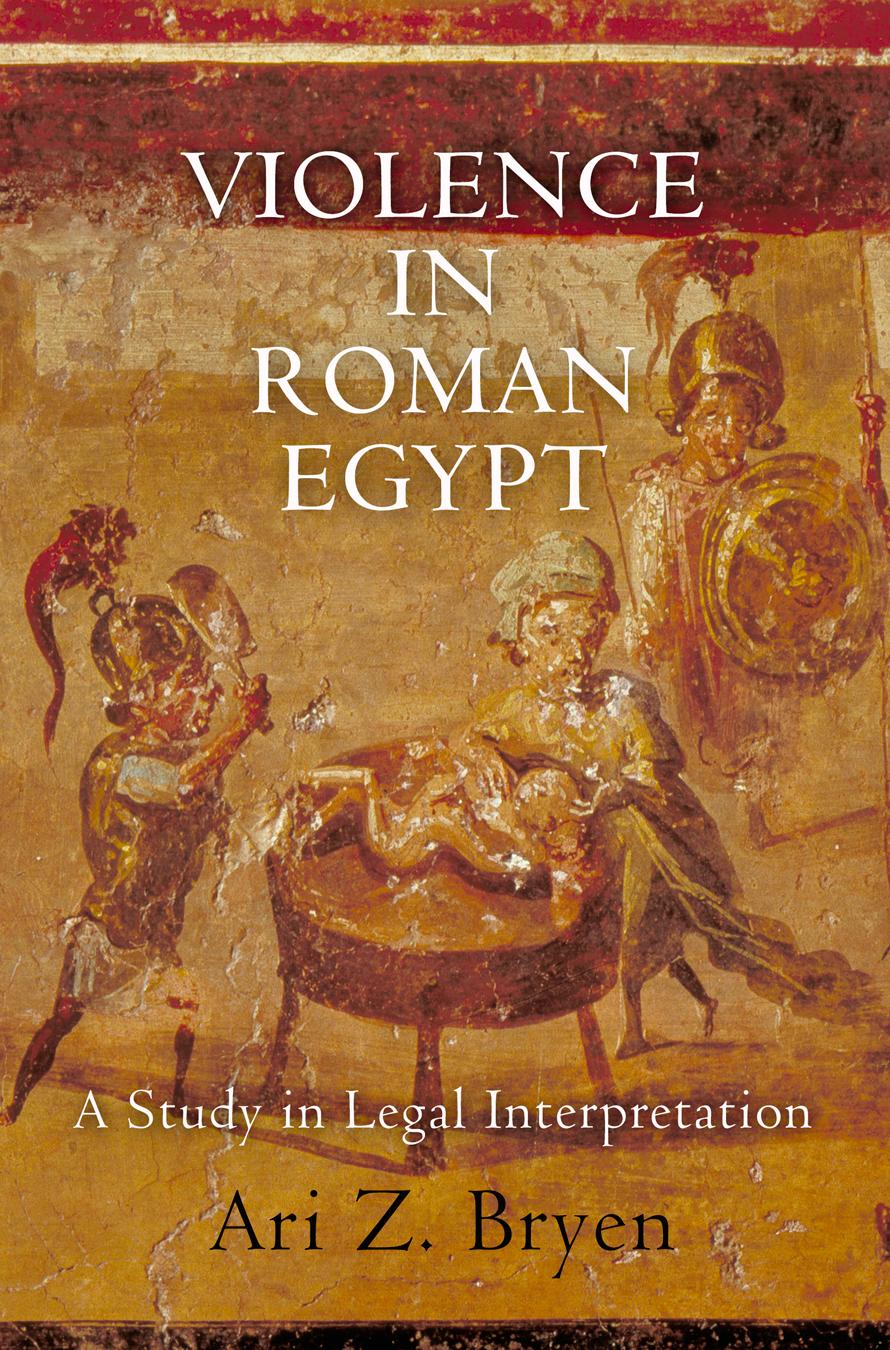
What can we learn about the world of an ancient empire from the ways that people complain when they feel that they have been violated? What role did law play in people's lives? And what did they expect their government to do for them when they felt harmed and helpless?
If ancient historians have frequently written about nonelite people as if they were undifferentiated and interchangeable, Ari Z. Bryen counters by drawing on one of our few sources of personal narratives from the Roman world: over a hundred papyrus petitions, submitted to local and imperial officials, in which individuals from the Egyptian countryside sought redress for acts of violence committed against them. By assembling these long-neglected materials (also translated as an appendix to the book) and putting them in conversation with contemporary perspectives from legal anthropology and social theory, Bryen shows how legal stories were used to work out relations of deference within local communities.
Rather than a simple force of imperial power, an open legal system allowed petitioners to define their relationships with their local adversaries while contributing to the body of rules and expectations by which they would live in the future. In so doing, these Egyptian petitioners contributed to the creation of Roman imperial order more generally.
Paga facilmente con carta, Klarna, Apple Pay o Google Pay. Non sei soddisfatto? Hai sempre 14 giorni per il rimborso. Leggi di più nei nostri termini. Per qualsiasi domanda, scrivici a hello@memmo.org.
Memmo rende lo studio più facile, ovunque tu sia nel mondo. Qui trovi i tuoi libri di testo e strumenti di studio intelligenti, tutto in un unico posto: riassunti, quiz, podcast e flashcard. E poi c'è Ted, il tuo compagno di studio che risponde a ogni tua domanda. Oltre 50.000 studenti studiano già qui: è stato creato per aiutarti a imparare più velocemente e a stressarti meno.