
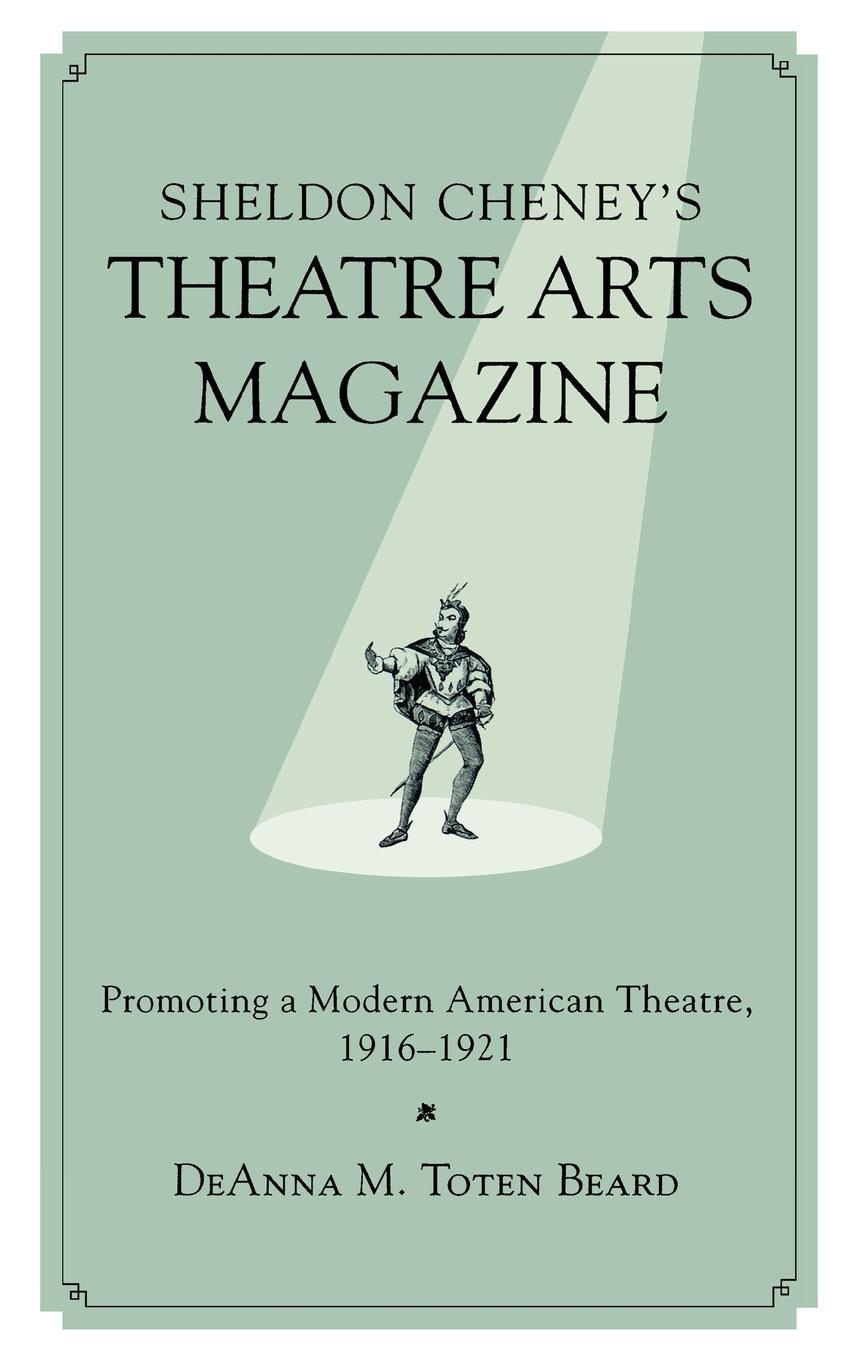
In the early decades of the 20th century, Sheldon Cheney was the American theatre's zealous missionary for modernism. In 1916, Cheney founded Theatre Arts Magazine in Detroit with the intent to foster and support a "renaissance" in America. Through this publication, Cheney gave voice to scores of "little theatres"-groups around the country with artistic aspirations and local commitment that would become the models for the American regional theatre movement later in the century.
In the first five years of Theatre Arts Magazine are the keys to understanding the progressive movement for a modern American theatre: the tension between commercial and non-commercial theatre, the yearning for more than realistic scenery, and the call for an "authentic" American voice in playwriting. Publishing articles, photographs, and drawings by modernist stage designers, Cheney helped popularize the New Stagecraft and elevated the identity of the American scenic designer from a craftsperson to an artist. As progressives around the country read Theatre Arts Magazine, Cheney's assessment of the sins of American commercial theatre and the plan for its salvation eventually became the convictions of a generation.
Sheldon Cheney's Theatre Arts Magazine: Promoting a Modern American Theatre, 1916-1921 enriches understanding of a critical period in American history and illuminates major issues of 20th century theatre and drama. Author DeAnna Toten Beard gives a brief history of the magazine, biographical information about Cheney, and an explanation of his philosophy of modernist theatre. Each chapter of the book considers a different topic relevant to Cheney's magazine, and selected articles are enhanced by full notations. This collection will help readers understand the dynamic nature of the discourse on modernism in America in the World War I era and, by extension, may even encourage fresh considerations about our contemporary stage.
In the first five years of Theatre Arts Magazine are the keys to understanding the progressive movement for a modern American theatre: the tension between commercial and non-commercial theatre, the yearning for more than realistic scenery, and the call for an "authentic" American voice in playwriting. Publishing articles, photographs, and drawings by modernist stage designers, Cheney helped popularize the New Stagecraft and elevated the identity of the American scenic designer from a craftsperson to an artist. As progressives around the country read Theatre Arts Magazine, Cheney's assessment of the sins of American commercial theatre and the plan for its salvation eventually became the convictions of a generation.
Sheldon Cheney's Theatre Arts Magazine: Promoting a Modern American Theatre, 1916-1921 enriches understanding of a critical period in American history and illuminates major issues of 20th century theatre and drama. Author DeAnna Toten Beard gives a brief history of the magazine, biographical information about Cheney, and an explanation of his philosophy of modernist theatre. Each chapter of the book considers a different topic relevant to Cheney's magazine, and selected articles are enhanced by full notations. This collection will help readers understand the dynamic nature of the discourse on modernism in America in the World War I era and, by extension, may even encourage fresh considerations about our contemporary stage.
Pagine: 292
Categoria: Drama, Teater & Scenkonst
e-ISBN: 9780810872677
Peso di spedizione: 1.2 kg
Spedito in: 1-2 giorni
Paga facilmente con carta, Klarna, Apple Pay o Google Pay. Non sei soddisfatto? Hai sempre 14 giorni per il rimborso. Leggi di più nei nostri termini. Per qualsiasi domanda, scrivici a hello@memmo.org.
Memmo rende lo studio più facile, ovunque tu sia nel mondo. Qui trovi i tuoi libri di testo e strumenti di studio intelligenti, tutto in un unico posto: riassunti, quiz, podcast e flashcard. E poi c'è Ted, il tuo compagno di studio che risponde a ogni tua domanda. Oltre 50.000 studenti studiano già qui: è stato creato per aiutarti a imparare più velocemente e a stressarti meno.