
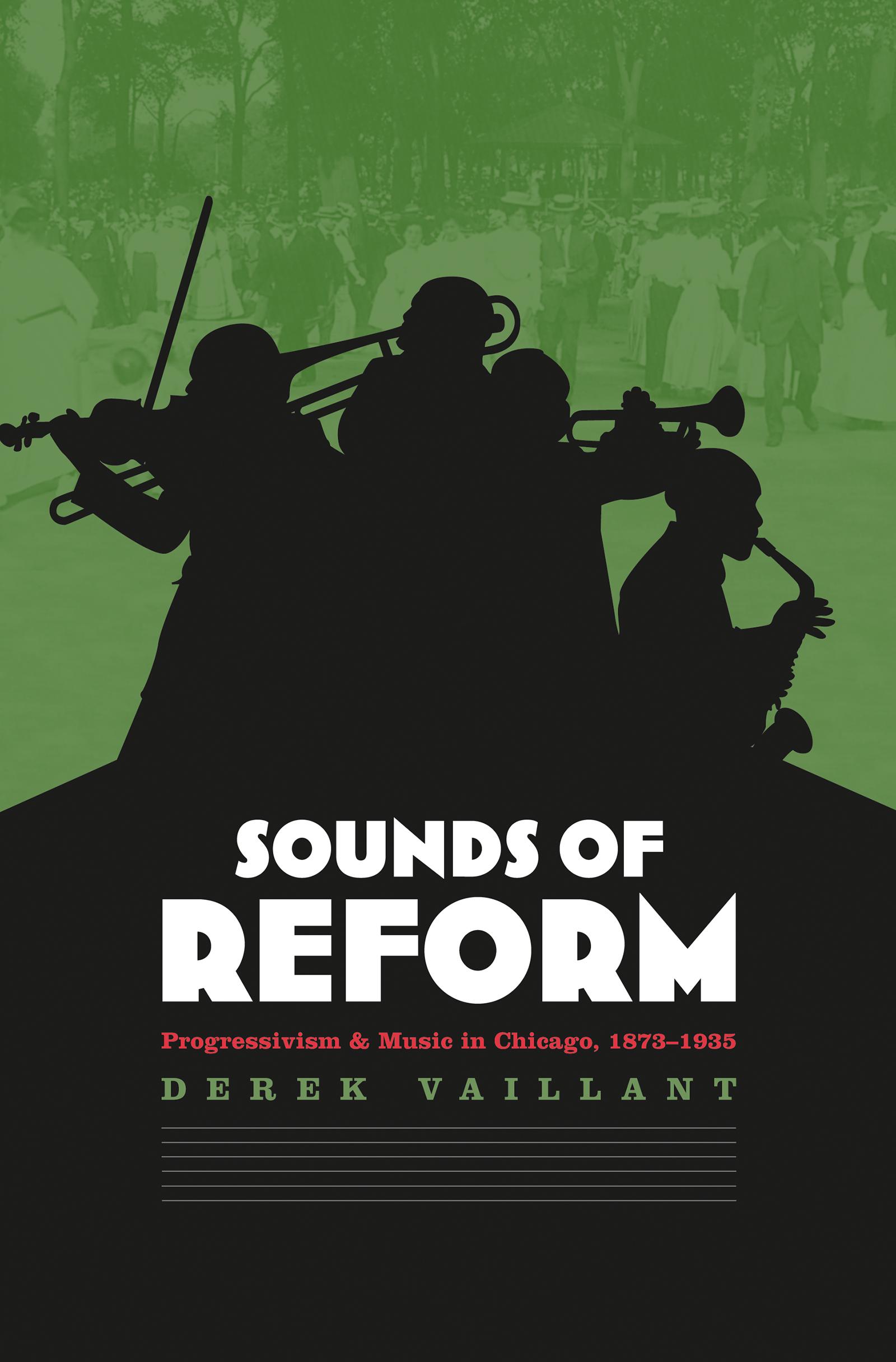
Between 1873 and 1935, reformers in Chicago used the power of music to unify the diverse peoples of the metropolis. These musical progressives emphasized the capacity of music to transcend differences among various groups. Sounds of Reform looks at the history of efforts to propagate this vision and the resulting encounters between activists and ethnic, immigrant, and working-class residents.
Musical progressives sponsored free concerts and music lessons at neighborhood parks and settlement houses, organized music festivals and neighborhood dances, and used the radio waves as part of an unprecedented effort to advance civic engagement. European classical music, ragtime, jazz, and popular American song all figured into the musical progressives' mission.
For residents with ideas about music as a tool of self-determination, musical progressivism could be problematic as well as empowering. The resulting struggles and negotiations between reformers and residents transformed the public culture of Chicago. Through his innovative examination of the role of music in the history of progressivism, Derek Vaillant offers a new perspective on the cultural politics of music and American society.
Paga facilmente con carta, Klarna, Apple Pay o Google Pay. Non sei soddisfatto? Hai sempre 14 giorni per il rimborso. Leggi di più nei nostri termini. Per qualsiasi domanda, scrivici a hello@memmo.org.
Memmo rende lo studio più facile, ovunque tu sia nel mondo. Qui trovi i tuoi libri di testo e strumenti di studio intelligenti, tutto in un unico posto: riassunti, quiz, podcast e flashcard. E poi c'è Ted, il tuo compagno di studio che risponde a ogni tua domanda. Oltre 50.000 studenti studiano già qui: è stato creato per aiutarti a imparare più velocemente e a stressarti meno.