
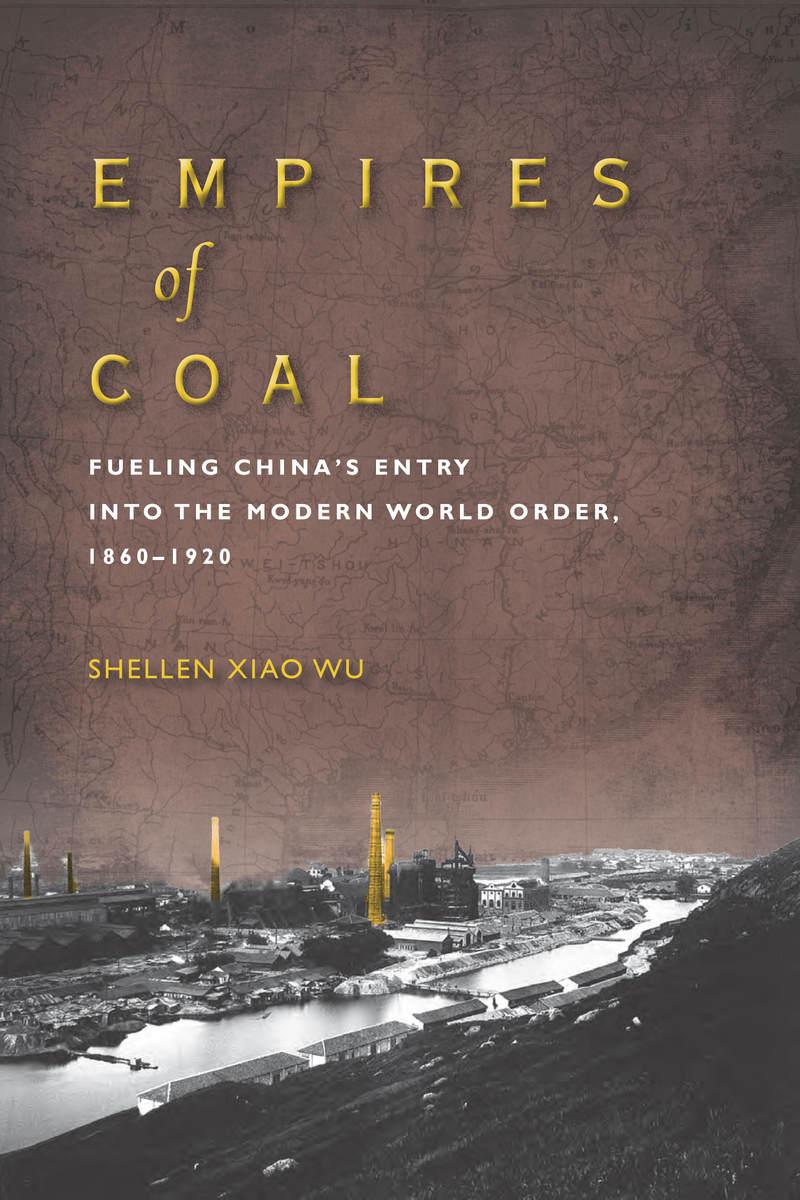
From 1868–1872, German geologist Ferdinand von Richthofen went on an expedition to China. His reports on what he found there would transform Western interest in China from the land of porcelain and tea to a repository of immense coal reserves. By the 1890s, European and American powers and the Qing state and local elites battled for control over the rights to these valuable mineral deposits. As coal went from a useful commodity to the essential fuel of industrialization, this vast natural resource would prove integral to the struggle for political control of China.
Geology served both as the handmaiden to European imperialism and the rallying point of Chinese resistance to Western encroachment. In the late nineteenth century both foreign powers and the Chinese viewed control over mineral resources as the key to modernization and industrialization. When the first China Geological Survey began work in the 1910s, conceptions of natural resources had already shifted, and the Qing state expanded its control over mining rights, setting the precedent for the subsequent Republican and People's Republic of China regimes.
In Empires of Coal, Shellen Xiao Wu argues that the changes specific to the late Qing were part of global trends in the nineteenth century, when the rise of science and industrialization destabilized global systems and caused widespread unrest and the toppling of ruling regimes around the world.
Paga facilmente con carta, Klarna, Apple Pay o Google Pay. Non sei soddisfatto? Hai sempre 14 giorni per il rimborso. Leggi di più nei nostri termini. Per qualsiasi domanda, scrivici a hello@memmo.org.
Memmo rende lo studio più facile, ovunque tu sia nel mondo. Qui trovi i tuoi libri di testo e strumenti di studio intelligenti, tutto in un unico posto: riassunti, quiz, podcast e flashcard. E poi c'è Ted, il tuo compagno di studio che risponde a ogni tua domanda. Oltre 50.000 studenti studiano già qui: è stato creato per aiutarti a imparare più velocemente e a stressarti meno.