
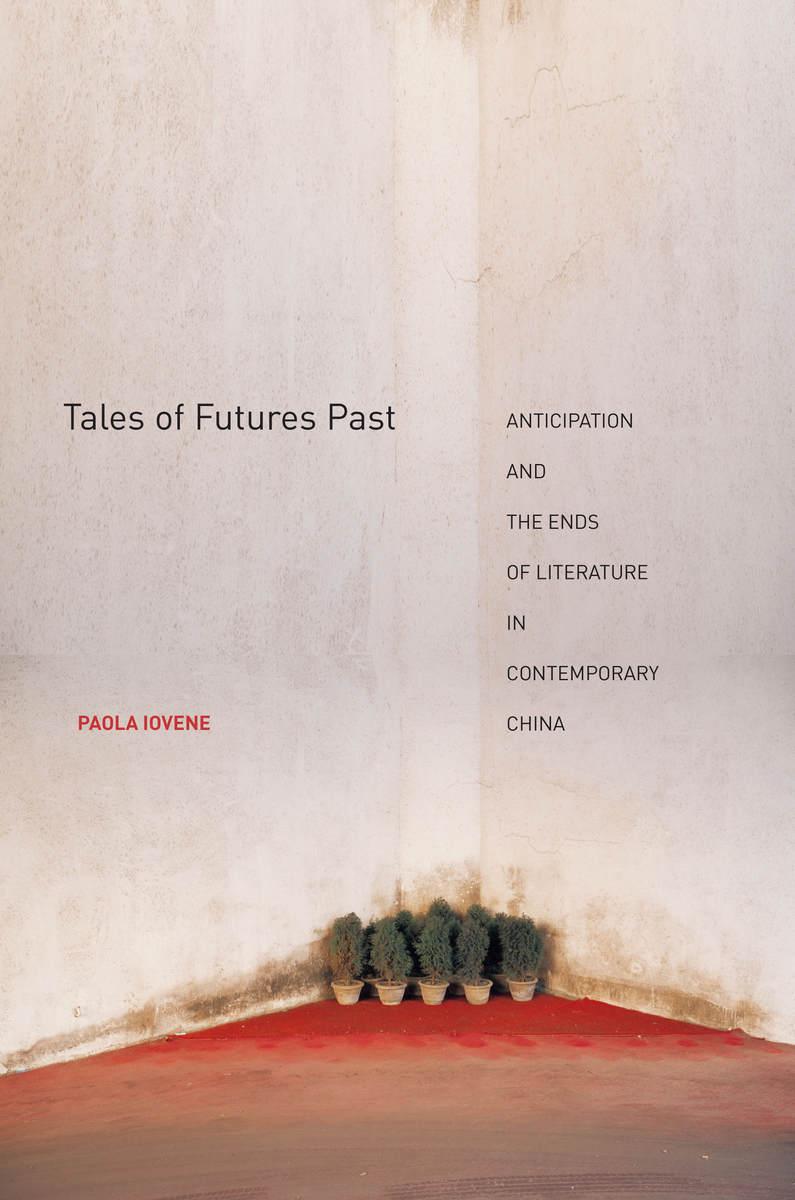
Most studies of Chinese literature conflate the category of the future with notions of progress and nation building, and with the utopian visions broadcast by the Maoist and post-Mao developmental state. The future is thus understood as a preconceived endpoint that is propagated, at times even imposed, by a center of power. By contrast, Tales of Futures Past introduces "anticipation"—the expectations that permeate life as it unfolds—as a lens through which to reexamine the textual, institutional, and experiential aspects of Chinese literary culture from the 1950s to 2011. In doing so, Paola Iovene connects the emergence of new literary genres with changing visions of the future in contemporary China.
This book provides a nuanced and dynamic account of the relationship between state discourses, market pressures, and individual writers and texts. It stresses authors' and editors' efforts to redefine what constitutes literature under changing political and economic circumstances. Engaging with questions of translation, temporality, formation of genres, and stylistic change, Iovene mines Chinese science fiction and popular science, puts forward a new interpretation of familiar Chinese avant-garde fiction, and offers close readings of texts that have not yet received any attention in English-language scholarship. Far-ranging in its chronological scope and impressive in its interdisciplinary approach, this book rethinks the legacies of socialism in postsocialist Chinese literary modernity.
Paga facilmente con carta, Klarna, Apple Pay o Google Pay. Non sei soddisfatto? Hai sempre 14 giorni per il rimborso. Leggi di più nei nostri termini. Per qualsiasi domanda, scrivici a hello@memmo.org.
Memmo rende lo studio più facile, ovunque tu sia nel mondo. Qui trovi i tuoi libri di testo e strumenti di studio intelligenti, tutto in un unico posto: riassunti, quiz, podcast e flashcard. E poi c'è Ted, il tuo compagno di studio che risponde a ogni tua domanda. Oltre 50.000 studenti studiano già qui: è stato creato per aiutarti a imparare più velocemente e a stressarti meno.