
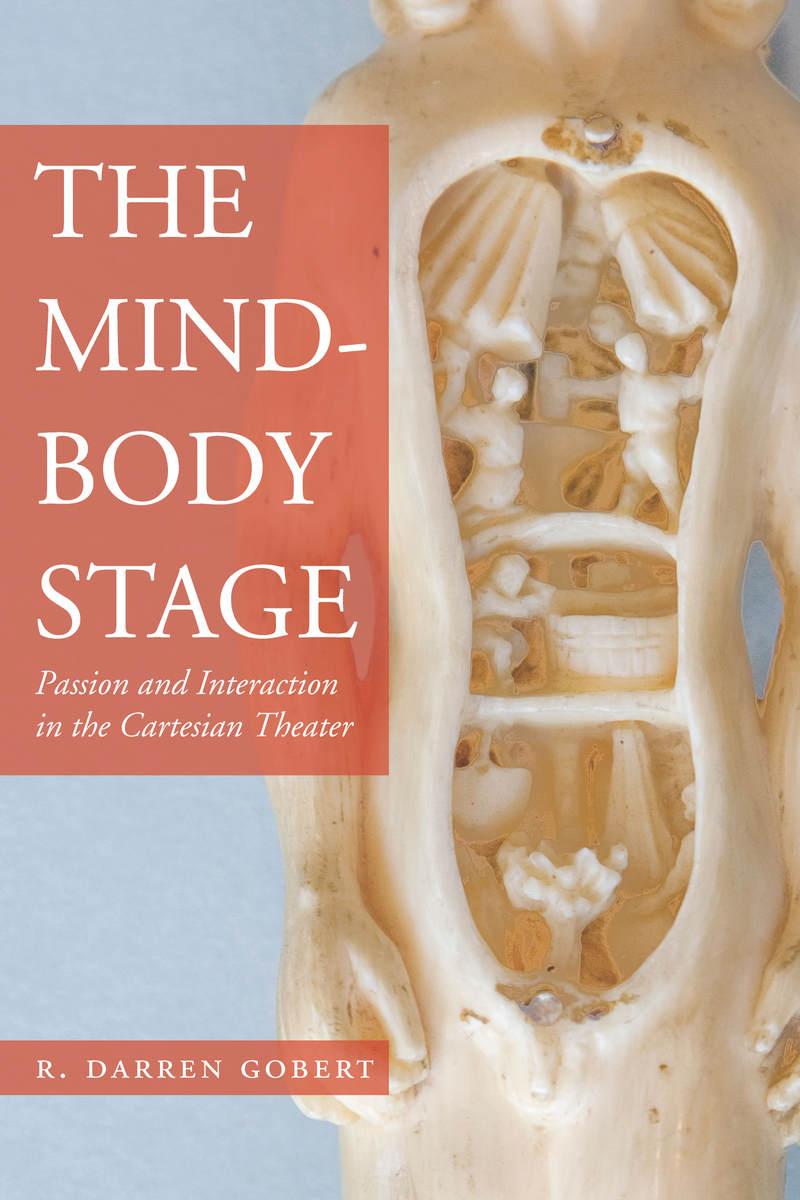
Descartes's notion of subjectivity changed the way characters would be written, performed by actors, and received by audiences. His coordinate system reshaped how theatrical space would be conceived and built. His theory of the passions revolutionized our understanding of the emotional exchange between spectacle and spectators. Yet theater scholars have not seen Descartes's transformational impact on theater history. Nor have philosophers looked to this history to understand his reception and impact. After Descartes, playwrights put Cartesian characters on the stage and thematized their rational workings. Actors adapted their performances to account for new models of subjectivity and physiology. Critics theorized the theater's emotional and ethical benefits in Cartesian terms. Architects fostered these benefits by altering their designs.
The Mind-Body Stage provides a dazzlingly original picture of one of the most consequential and confusing periods in the histories of modern theater and philosophy. Interdisciplinary and comparatist in scope, it uses methodological techniques from literary study, philosophy, theater history, and performance studies and draws on scores of documents (including letters, libretti, religious jeremiads, aesthetic treatises, and architectural plans) from several countries.
Paga facilmente con carta, Klarna, Apple Pay o Google Pay. Non sei soddisfatto? Hai sempre 14 giorni per il rimborso. Leggi di più nei nostri termini. Per qualsiasi domanda, scrivici a hello@memmo.org.
Memmo rende lo studio più facile, ovunque tu sia nel mondo. Qui trovi i tuoi libri di testo e strumenti di studio intelligenti, tutto in un unico posto: riassunti, quiz, podcast e flashcard. E poi c'è Ted, il tuo compagno di studio che risponde a ogni tua domanda. Oltre 50.000 studenti studiano già qui: è stato creato per aiutarti a imparare più velocemente e a stressarti meno.