
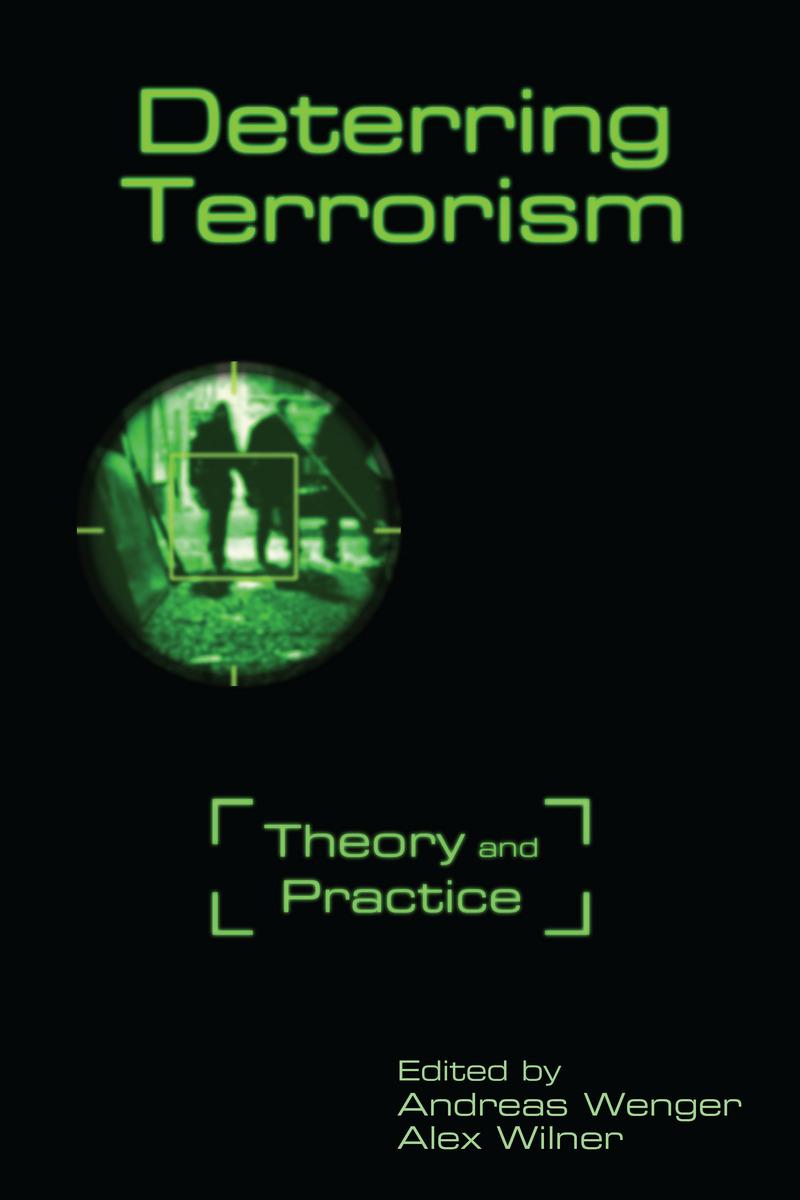
During the Cold War, deterrence theory was the cornerstone of U.S. foreign policy. Following the 9/11 terrorist attacks, however, popular wisdom dictated that terrorist organizations and radical fanatics could not be deterred—and governments shifted their attention to combating terrorism rather than deterring it.
This book challenges that prevailing assumption and offers insight as to when and where terrorism can be deterred. It first identifies how and where theories of deterrence apply to counterterrorism, highlighting how traditional and less-traditional notions of deterrence can be applied to evolving terrorist threats. It then applies these theoretical propositions to real-world threats to establish the role deterrence has within a dynamic counterterrorism strategy—and to identify how metrics can be created for measuring the success of terrorism deterrence strategies. In sum, it provides a foundation for developing effective counterterrorism policies to help states contain or curtail the terrorism challenges they face.
Paga facilmente con carta, Klarna, Apple Pay o Google Pay. Non sei soddisfatto? Hai sempre 14 giorni per il rimborso. Leggi di più nei nostri termini. Per qualsiasi domanda, scrivici a hello@memmo.org.
Memmo rende lo studio più facile, ovunque tu sia nel mondo. Qui trovi i tuoi libri di testo e strumenti di studio intelligenti, tutto in un unico posto: riassunti, quiz, podcast e flashcard. E poi c'è Ted, il tuo compagno di studio che risponde a ogni tua domanda. Oltre 50.000 studenti studiano già qui: è stato creato per aiutarti a imparare più velocemente e a stressarti meno.