
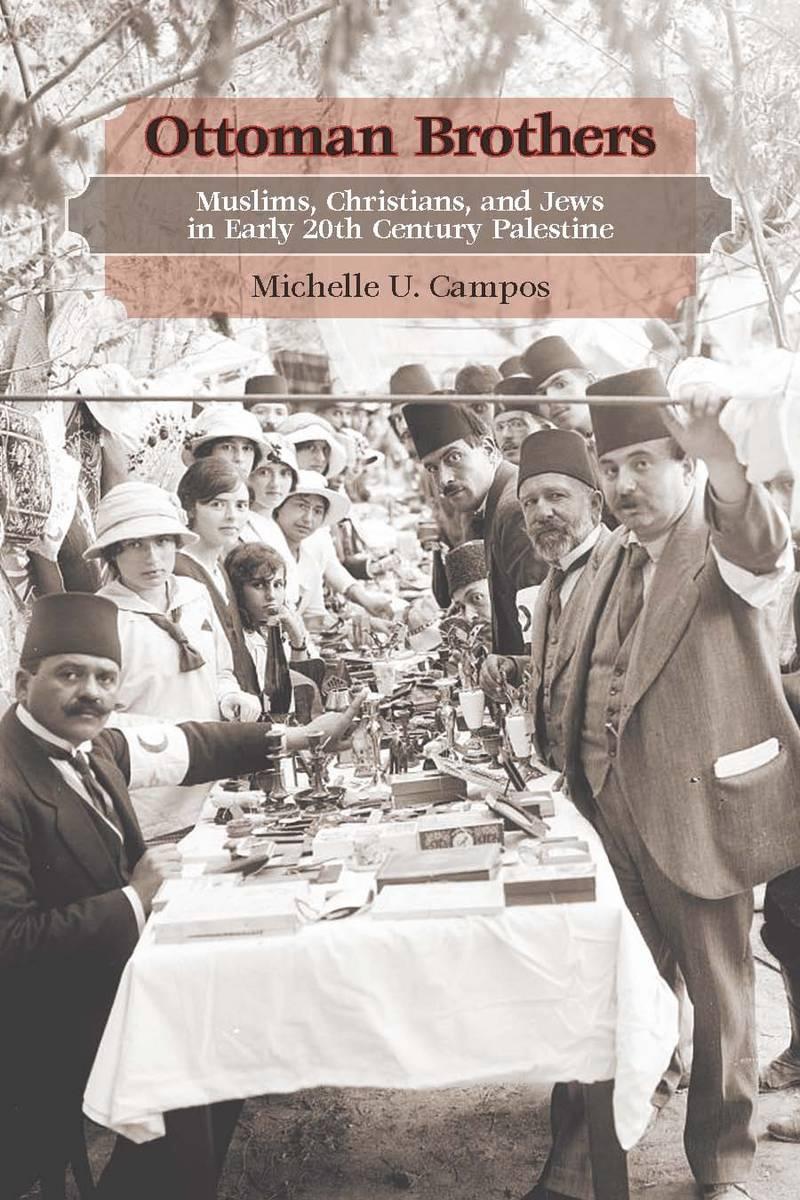
In its last decade, the Ottoman Empire underwent a period of dynamic reform, and the 1908 revolution transformed the empire's 20 million subjects into citizens overnight. Questions quickly emerged about what it meant to be Ottoman, what bound the empire together, what role religion and ethnicity would play in politics, and what liberty, reform, and enfranchisement would look like.
Ottoman Brothers explores the development of Ottoman collective identity, tracing how Muslims, Christians, and Jews became imperial citizens together. In Palestine, even against the backdrop of the emergence of the Zionist movement and Arab nationalism, Jews and Arabs cooperated in local development and local institutions as they embraced imperial citizenship. As Michelle Campos reveals, the Arab-Jewish conflict in Palestine was not immanent, but rather it erupted in tension with the promises and shortcomings of "civic Ottomanism."
Paga facilmente con carta, Klarna, Apple Pay o Google Pay. Non sei soddisfatto? Hai sempre 14 giorni per il rimborso. Leggi di più nei nostri termini. Per qualsiasi domanda, scrivici a hello@memmo.org.
Memmo rende lo studio più facile, ovunque tu sia nel mondo. Qui trovi i tuoi libri di testo e strumenti di studio intelligenti, tutto in un unico posto: riassunti, quiz, podcast e flashcard. E poi c'è Ted, il tuo compagno di studio che risponde a ogni tua domanda. Oltre 50.000 studenti studiano già qui: è stato creato per aiutarti a imparare più velocemente e a stressarti meno.