
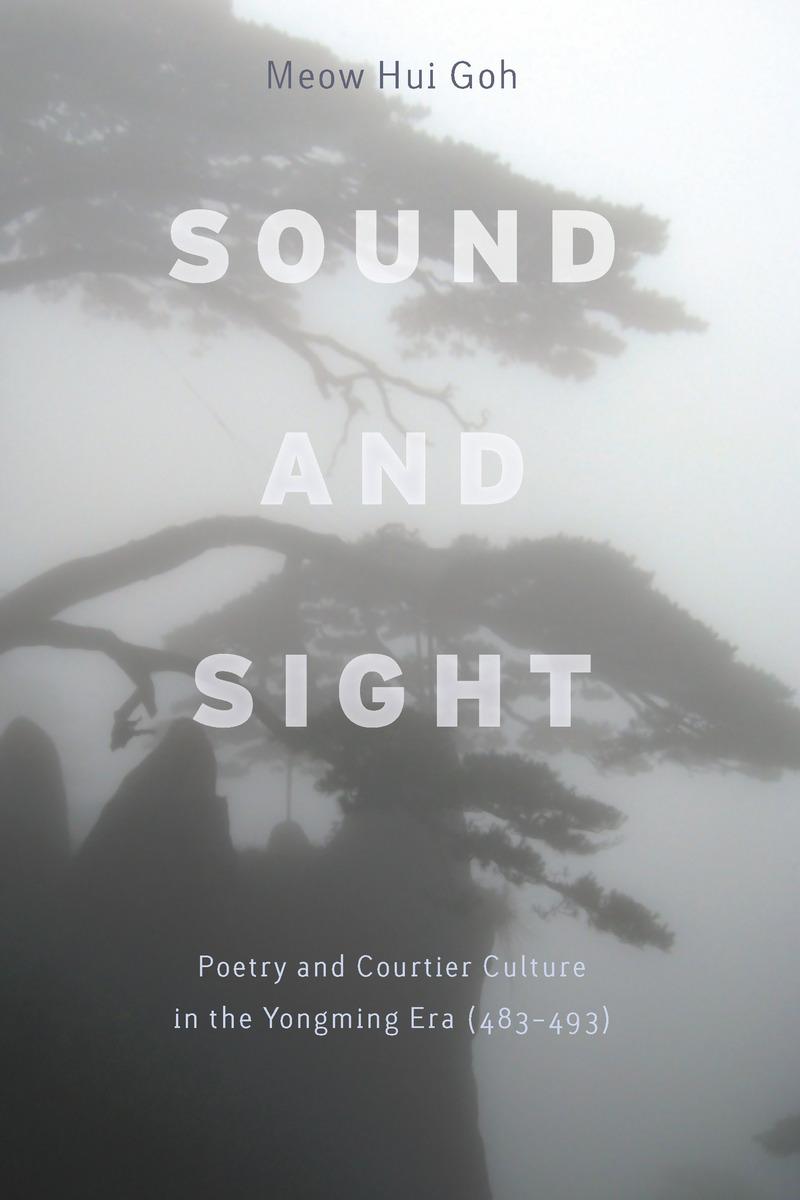
This is the first book to examine Chinese poetry and courtier culture using the concept of shengse—sound and sight—which connotes "sensual pleasure." Under the moral and political imperative to avoid or even eliminate representations of sense perception, premodern Chinese commentators treated overt displays of artistry with great suspicion, and their influence is still alive in modern and contemporary constructions of literary and cultural history.
The Yongming poets, who openly extolled "sound and rhymes," have been deemed the main instigators of a poetic trend toward the sensual. Situating them within the court milieu of their day, Meow Hui Goh asks a simple question: What did shengse mean to the Yongming poets? By unraveling the aural and visual experiences encapsulated in their poems, she argues that their pursuit of "sound and sight" reveals a complex confluence of Buddhist influence, Confucian value, and new sociopolitical conditions. Her study challenges the old perception of the Yongming poets and the common practice of reading classical Chinese poems for semantic meaning only.
Paga facilmente con carta, Klarna, Apple Pay o Google Pay. Non sei soddisfatto? Hai sempre 14 giorni per il rimborso. Leggi di più nei nostri termini. Per qualsiasi domanda, scrivici a hello@memmo.org.
Memmo rende lo studio più facile, ovunque tu sia nel mondo. Qui trovi i tuoi libri di testo e strumenti di studio intelligenti, tutto in un unico posto: riassunti, quiz, podcast e flashcard. E poi c'è Ted, il tuo compagno di studio che risponde a ogni tua domanda. Oltre 50.000 studenti studiano già qui: è stato creato per aiutarti a imparare più velocemente e a stressarti meno.