
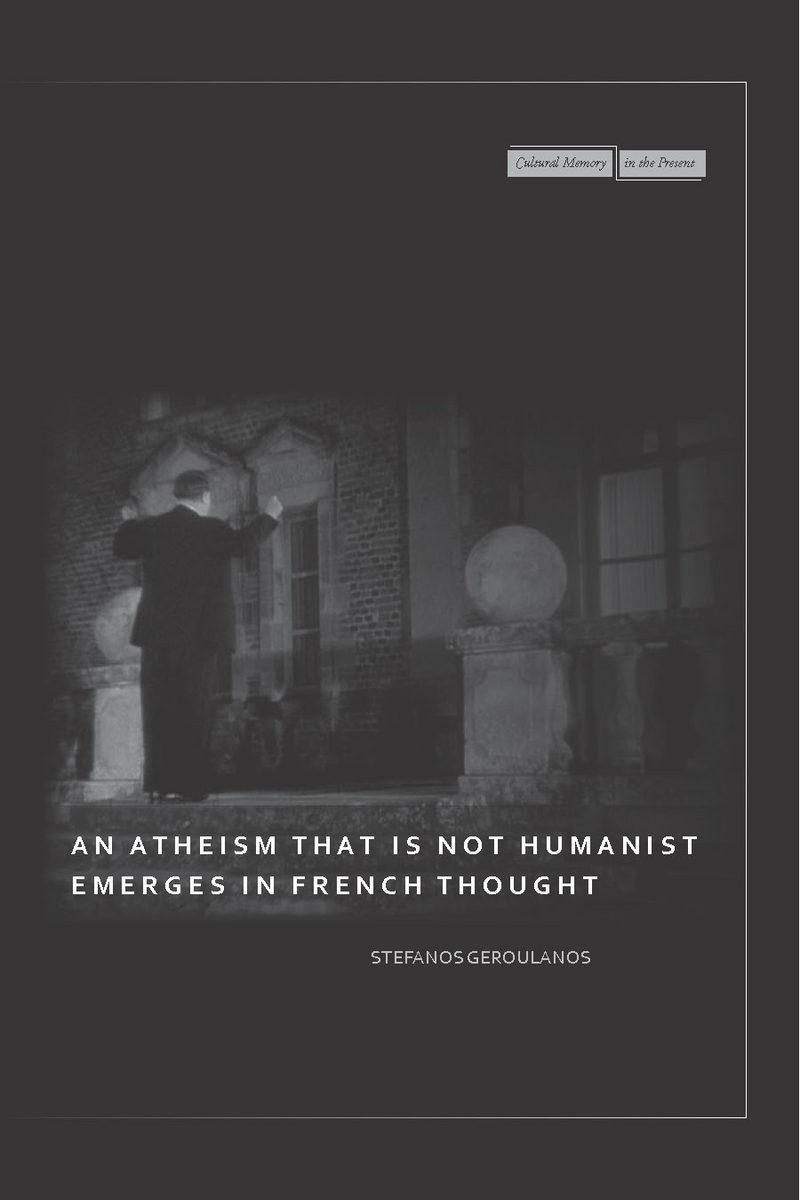
French philosophy changed dramatically in the second quarter of the twentieth century. In the wake of World War I and, later, the Nazi and Soviet disasters, major philosophers such as Kojève, Levinas, Heidegger, Koyré, Sartre, Merleau-Ponty, and Hyppolite argued that man could no longer fill the void left by the "death of God" without also calling up the worst in human history and denigrating the dignity of the human subject. In response, they contributed to a new belief that man should no longer be viewed as the basis for existence, thought, and ethics; rather, human nature became dependent on other concepts and structures, including Being, language, thought, and culture. This argument, which was to be paramount for existentialism and structuralism, came to dominate postwar thought. This intellectual history of these developments argues that at their heart lay a new atheism that rejected humanism as insufficient and ultimately violent.
Paga facilmente con carta, Klarna, Apple Pay o Google Pay. Non sei soddisfatto? Hai sempre 14 giorni per il rimborso. Leggi di più nei nostri termini. Per qualsiasi domanda, scrivici a hello@memmo.org.
Memmo rende lo studio più facile, ovunque tu sia nel mondo. Qui trovi i tuoi libri di testo e strumenti di studio intelligenti, tutto in un unico posto: riassunti, quiz, podcast e flashcard. E poi c'è Ted, il tuo compagno di studio che risponde a ogni tua domanda. Oltre 50.000 studenti studiano già qui: è stato creato per aiutarti a imparare più velocemente e a stressarti meno.