
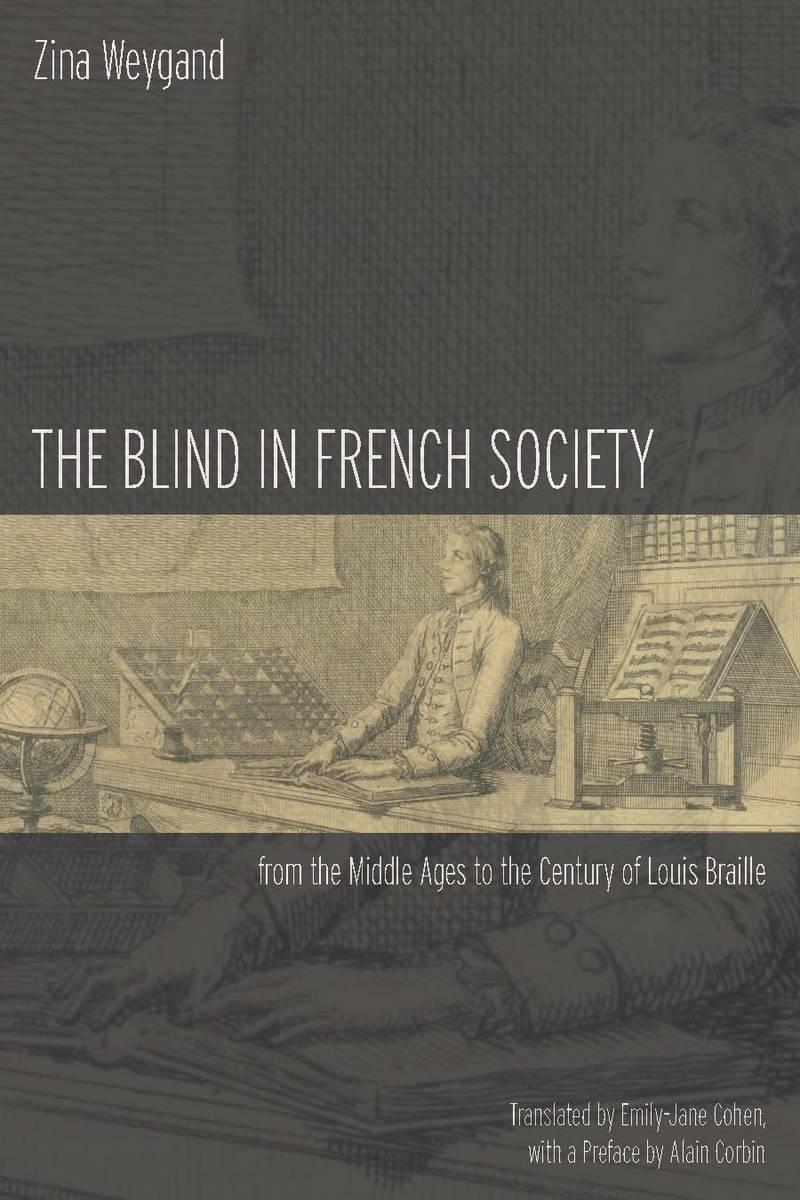
The integration of the blind into society has always meant taking on prejudices and inaccurate representations. Weygand's highly accessible anthropological and cultural history introduces us to both real and imaginary figures from the past, uncovering French attitudes towards the blind from the Middle Ages through the first half of the nineteenth century. Much of the book, however, centers on the eighteenth century, the enlightened age of Diderot's emblematic blind man and of the Institute for Blind Youth in Paris, founded by Valentin Haüy, the great benefactor of blind people.
Weygand paints a moving picture of the blind admitted to the institutions created for them and of the conditions under which they lived, from the officially-sanctioned beggars of the medieval Quinze-Vingts to the cloth makers of the Institute for Blind Workers. She has also uncovered their fictional counterparts in an impressive array of poems, plays, and novels.The book concludes with Braille, whose invention of writing with raised dots gave blind people around the world definitive access to silent reading and to written communication.
Paga facilmente con carta, Klarna, Apple Pay o Google Pay. Non sei soddisfatto? Hai sempre 14 giorni per il rimborso. Leggi di più nei nostri termini. Per qualsiasi domanda, scrivici a hello@memmo.org.
Memmo rende lo studio più facile, ovunque tu sia nel mondo. Qui trovi i tuoi libri di testo e strumenti di studio intelligenti, tutto in un unico posto: riassunti, quiz, podcast e flashcard. E poi c'è Ted, il tuo compagno di studio che risponde a ogni tua domanda. Oltre 50.000 studenti studiano già qui: è stato creato per aiutarti a imparare più velocemente e a stressarti meno.