
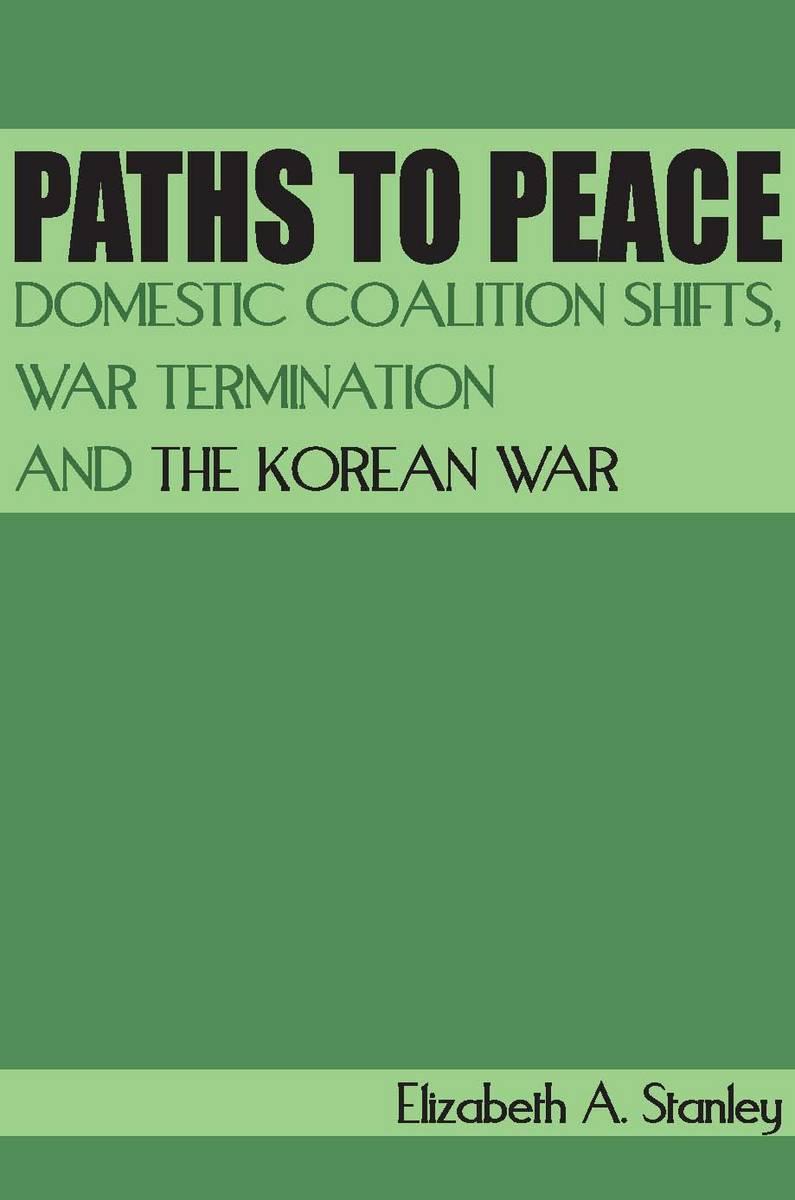
Paths to Peace begins by developing a theory about the domestic obstacles to making peace and the role played by shifts in states' governing coalitions in overcoming these obstacles. In particular, it explains how the longer the war, the harder it is to end, because domestic obstacles to peace become institutionalized over time. Next, it tests this theory with a mixed methods approach—through historical case studies and quantitative statistical analysis. Finally, it applies the theory to an in-depth analysis of the ending of the Korean War. By analyzing the domestic politics of the war's major combatants—the Soviet Union, the United States, China, and North and South Korea—it explains why the final armistice terms accepted in July 1953 were little different from those proposed at the start of negotiations in July 1951, some 294,000 additional battle-deaths later.
Paga facilmente con carta, Klarna, Apple Pay o Google Pay. Non sei soddisfatto? Hai sempre 14 giorni per il rimborso. Leggi di più nei nostri termini. Per qualsiasi domanda, scrivici a hello@memmo.org.
Memmo rende lo studio più facile, ovunque tu sia nel mondo. Qui trovi i tuoi libri di testo e strumenti di studio intelligenti, tutto in un unico posto: riassunti, quiz, podcast e flashcard. E poi c'è Ted, il tuo compagno di studio che risponde a ogni tua domanda. Oltre 50.000 studenti studiano già qui: è stato creato per aiutarti a imparare più velocemente e a stressarti meno.