
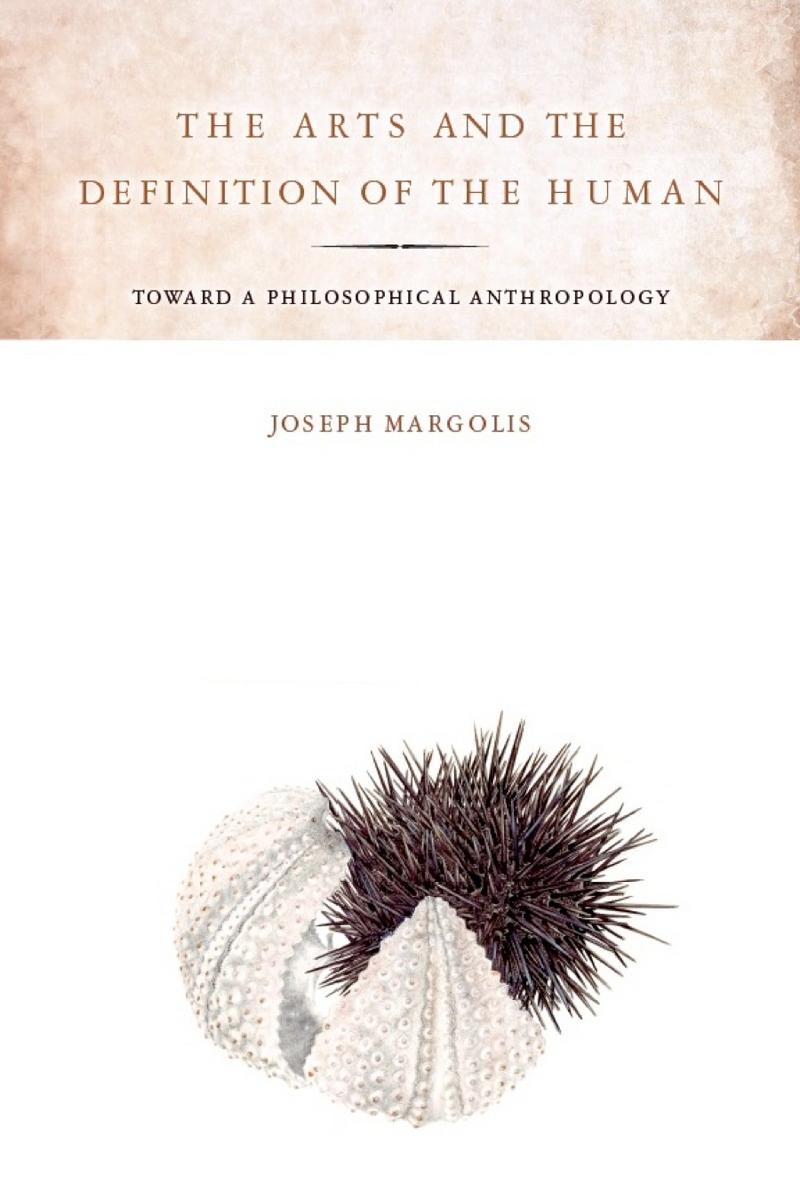
The Arts and the Definition of the Human introduces a novel theory that our selves—our thoughts, perceptions, creativity, and other qualities that make us human—are determined by our place in history, and more particularly by our culture and language. Margolis rejects the idea that any concepts or truths remain fixed and objective through the flow of history and reveals that this theory of the human being (or "philosophical anthropology") as culturally determined and changing is necessary to make sense of art. He shows that a painting, sculpture, or poem cannot have a single correct interpretation because our creation and perception of art will always be mitigated by our historical and cultural contexts. Calling upon philosophers ranging from Parmenides and Plato to Kant, Hegel, and Wittgenstein, art historians from Damisch to Elkins, artists from Van Eyck to Michelangelo to Wordsworth to Duchamp, Margolis creates a philosophy of art interwoven with his philosophical anthropology which pointedly challenges prevailing views of the fine arts and the nature of personhood.
Paga facilmente con carta, Klarna, Apple Pay o Google Pay. Non sei soddisfatto? Hai sempre 14 giorni per il rimborso. Leggi di più nei nostri termini. Per qualsiasi domanda, scrivici a hello@memmo.org.
Memmo rende lo studio più facile, ovunque tu sia nel mondo. Qui trovi i tuoi libri di testo e strumenti di studio intelligenti, tutto in un unico posto: riassunti, quiz, podcast e flashcard. E poi c'è Ted, il tuo compagno di studio che risponde a ogni tua domanda. Oltre 50.000 studenti studiano già qui: è stato creato per aiutarti a imparare più velocemente e a stressarti meno.