
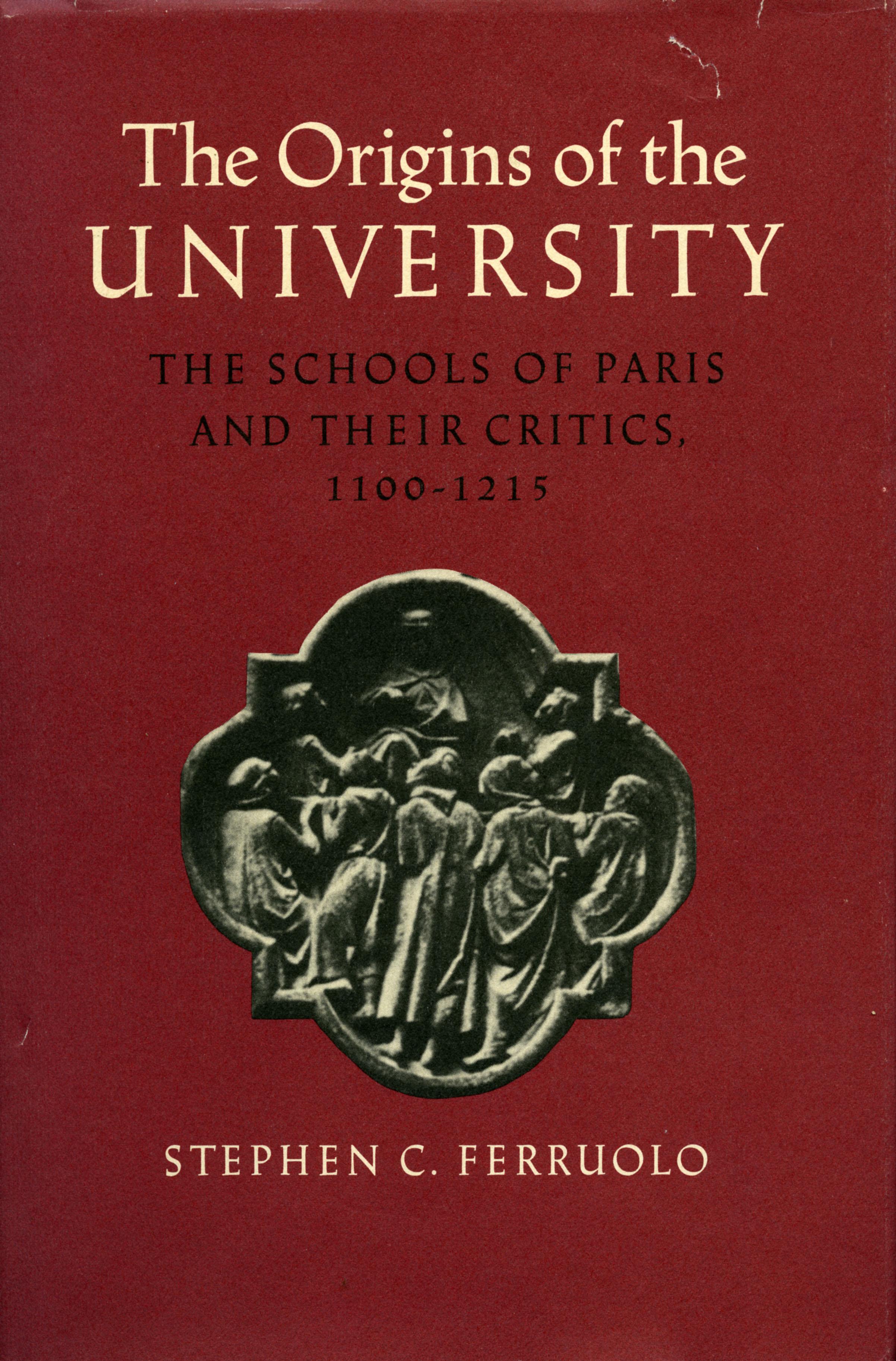
The University of Paris is generally regarded as the first true university, the model for others not only in France but throughout Europe, including Oxford and Cambridge. This book challenges two prevailing myths about the university's origins: first, that the university naturally developed to meet the utilitarian and professional needs of European society in the late Middle Ages, and second, that it was the product of the struggle by scholars to gain freedom and autonomy from external authorities, most notably church officials.
In the twelfth century, Paris was the educational center of Europe, with a large number of schools and masters attracting and competing for students. Over the decades, the schools of Paris had many critics—monastic reformers, humanists, satirists, and moralists—and the focus of this book is the role such critics played in developing the schools into a university. Ferruolo argues that it was the educational values and ideas promoted by the critics—ideas of the unity of knowledge, the need to share learning freely and willingly, and the higher purposes and social importance of education—that first inspired the scholars of Paris to join together to form a single guild. Their programs for educational reforms can be seen in the first set of statues promulgated for the nascent University of Paris in 1215.
Paga facilmente con carta, Klarna, Apple Pay o Google Pay. Non sei soddisfatto? Hai sempre 14 giorni per il rimborso. Leggi di più nei nostri termini. Per qualsiasi domanda, scrivici a hello@memmo.org.
Memmo rende lo studio più facile, ovunque tu sia nel mondo. Qui trovi i tuoi libri di testo e strumenti di studio intelligenti, tutto in un unico posto: riassunti, quiz, podcast e flashcard. E poi c'è Ted, il tuo compagno di studio che risponde a ogni tua domanda. Oltre 50.000 studenti studiano già qui: è stato creato per aiutarti a imparare più velocemente e a stressarti meno.
Potrebbe interessarti anche
Acquista il libro0