
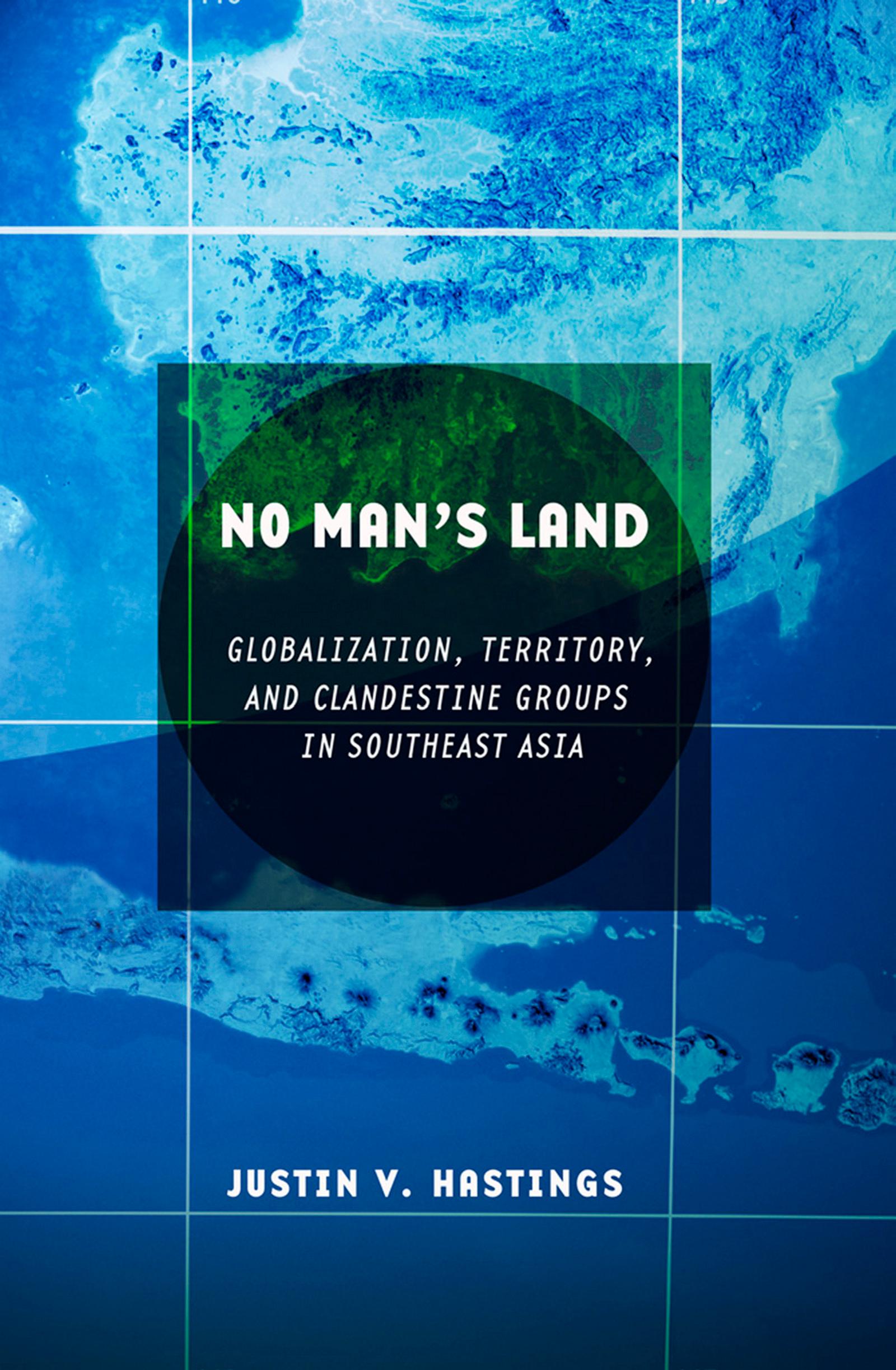
The increased ability of clandestine groups to operate with little regard for borders or geography is often taken to be one of the dark consequences of a brave new globalized world. Yet even for terrorists and smugglers, the world is not flat; states exert formidable control over the technologies of globalization, and difficult terrain poses many of the same problems today as it has throughout human history. In No Man's Land, Justin V. Hastings examines the complex relationship that illicit groups have with modern technology—and how and when geography still matters.
Based on often difficult fieldwork in Southeast Asia, Hastings traces the logistics networks, command and control structures, and training programs of three distinct clandestine organizations: the terrorist group Jemaah Islamiyah, the insurgent Free Aceh Movement, and organized criminals in the form of smugglers and maritime pirates. Hastings also compares the experiences of these groups to others outside Southeast Asia, including al-Qaeda, the Tamil Tigers, and the Somali pirates. Through reportage, memoirs, government archives, interrogation documents, and interviews with people on both sides of the law, he finds that despite their differences, these organizations are constrained and shaped by territory and technology in similar ways. In remote or hostile environments, where access to the infrastructure of globalization is limited, clandestine groups must set up their own costly alternatives. Even when successful, Hastings concludes, criminal, insurgent and terrorist organizations are not nearly as mobile as pessimistic views of the sinister side of globalization might suggest.
Paga facilmente con carta, Klarna, Apple Pay o Google Pay. Non sei soddisfatto? Hai sempre 14 giorni per il rimborso. Leggi di più nei nostri termini. Per qualsiasi domanda, scrivici a hello@memmo.org.
Memmo rende lo studio più facile, ovunque tu sia nel mondo. Qui trovi i tuoi libri di testo e strumenti di studio intelligenti, tutto in un unico posto: riassunti, quiz, podcast e flashcard. E poi c'è Ted, il tuo compagno di studio che risponde a ogni tua domanda. Oltre 50.000 studenti studiano già qui: è stato creato per aiutarti a imparare più velocemente e a stressarti meno.