
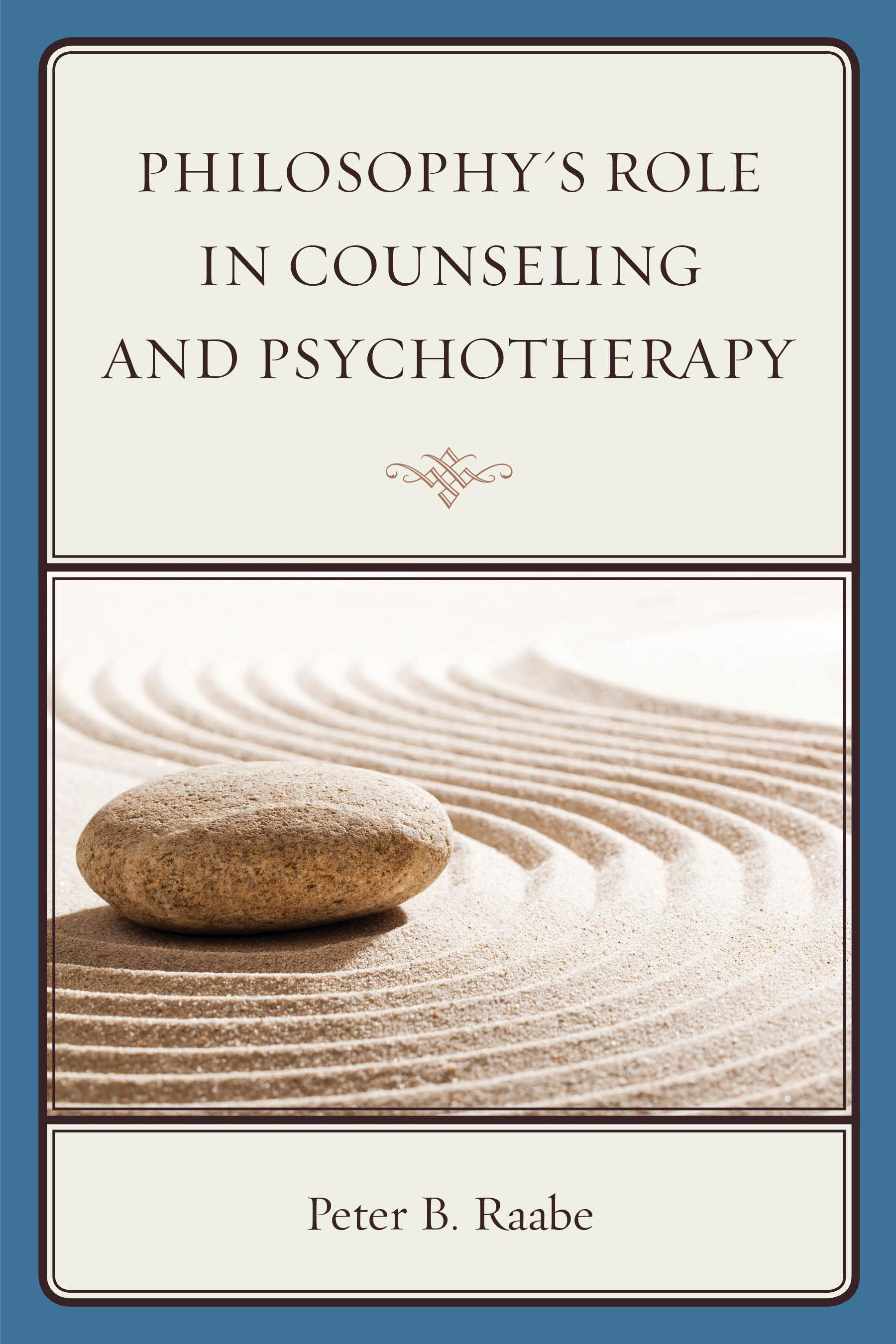
In Philosophy's Role in Counseling and Psychotherapy, Peter Raabe argues that philosophy is an effective method in treating mental illness. Calling for a paradigm shift away from the standard belief that the brain and mind are identical Raabe argues that so-called “mental illnesses” such as depression and schizophrenia are not the actual causes of psychological misery. Instead, they are just labels for symptoms. For example, the word “depression” is merely a label attached to a collection of symptoms such as sadness, hopelessness, and low self-esteem. Raabe posits that distressing or painful life events can cause symptoms that are often clinically labeled as the mental illness of depression. The suffering brought on by painful life events can often be alleviated with helpful discussions, and without resorting to medications. Because philosophy is the foremost form of discussion, it means that the suffering that is labeled mental illness can be treated and even cured with philosophy. Raabe ultimately concludes that philosophy is beneficial in three ways: it can prevent the onset of a so-called mental illness in the person who studies it, it can be used to help individuals suffering from the distress that is labeled “mental illness,” and it will enhance the competence of the counselor or therapist who practices it.
Paga facilmente con carta, Klarna, Apple Pay o Google Pay. Non sei soddisfatto? Hai sempre 14 giorni per il rimborso. Leggi di più nei nostri termini. Per qualsiasi domanda, scrivici a hello@memmo.org.
Memmo rende lo studio più facile, ovunque tu sia nel mondo. Qui trovi i tuoi libri di testo e strumenti di studio intelligenti, tutto in un unico posto: riassunti, quiz, podcast e flashcard. E poi c'è Ted, il tuo compagno di studio che risponde a ogni tua domanda. Oltre 50.000 studenti studiano già qui: è stato creato per aiutarti a imparare più velocemente e a stressarti meno.