
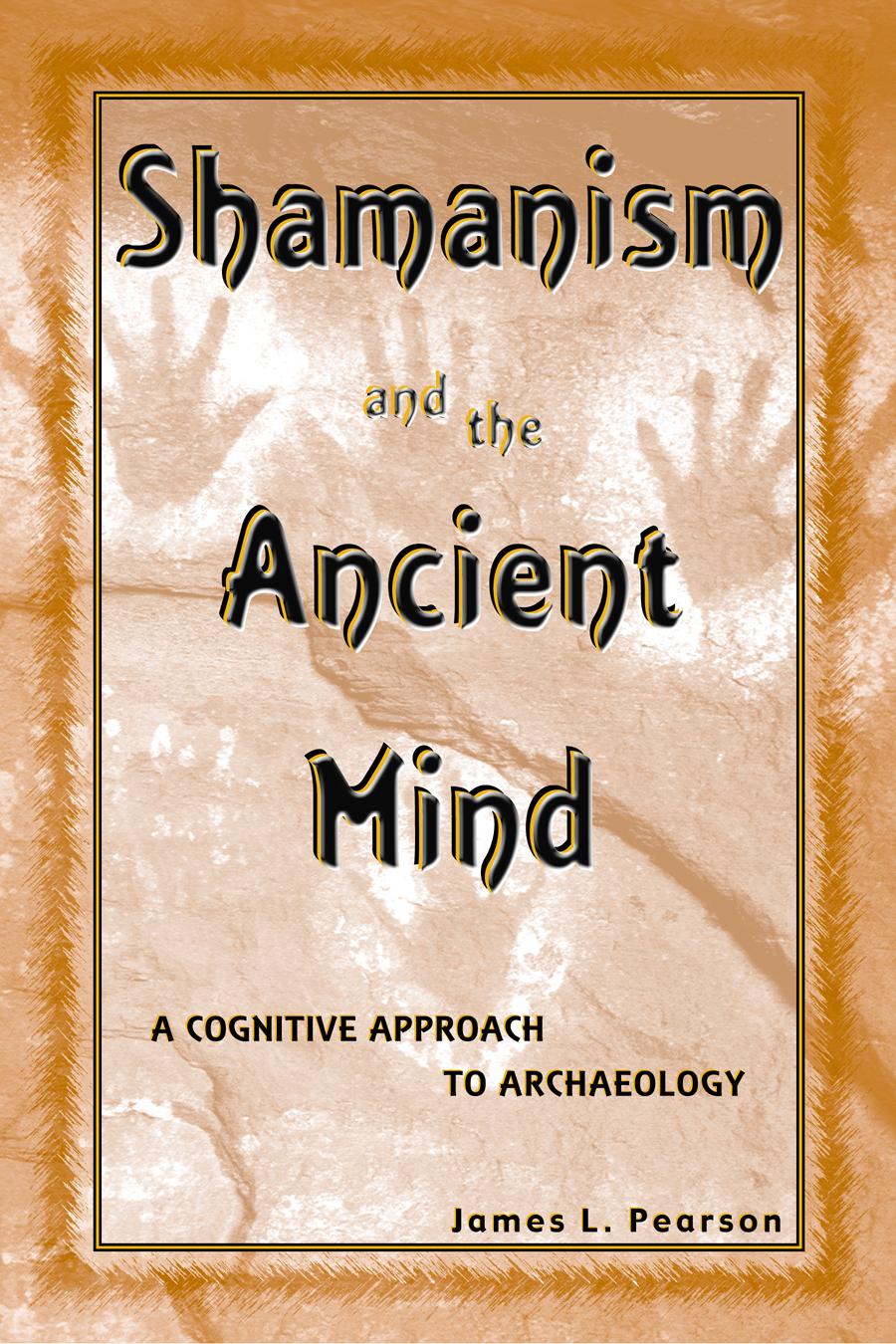
Pearson brings a cogent, well-argued case for the understanding of much prehistoric art as shamanistic practice. Using the theoretical premises of cognitive archaeology and a careful examination of rock art worldwide, Pearson is able to dismiss other theories of why ancient peoples produced art_totemism, art-for-art's sake, structuralism, hunting magic. Then examining both ethnographic and neuropsychological evidence, he makes a strong case for the use of shamanistic ritual and hallucinogenic substances as the genesis of much prehistoric art. Bolstered with examples from contemporary cultures and archaeological sites around the world, Pearson's thesis should be of interest not only to archaeologists, but art historians, psychologists, cultural anthropologist, and the general public.
Paga facilmente con carta, Klarna, Apple Pay o Google Pay. Non sei soddisfatto? Hai sempre 14 giorni per il rimborso. Leggi di più nei nostri termini. Per qualsiasi domanda, scrivici a hello@memmo.org.
Memmo rende lo studio più facile, ovunque tu sia nel mondo. Qui trovi i tuoi libri di testo e strumenti di studio intelligenti, tutto in un unico posto: riassunti, quiz, podcast e flashcard. E poi c'è Ted, il tuo compagno di studio che risponde a ogni tua domanda. Oltre 50.000 studenti studiano già qui: è stato creato per aiutarti a imparare più velocemente e a stressarti meno.