
I.B. Tauris in association with the Institute of Ismaili Studies
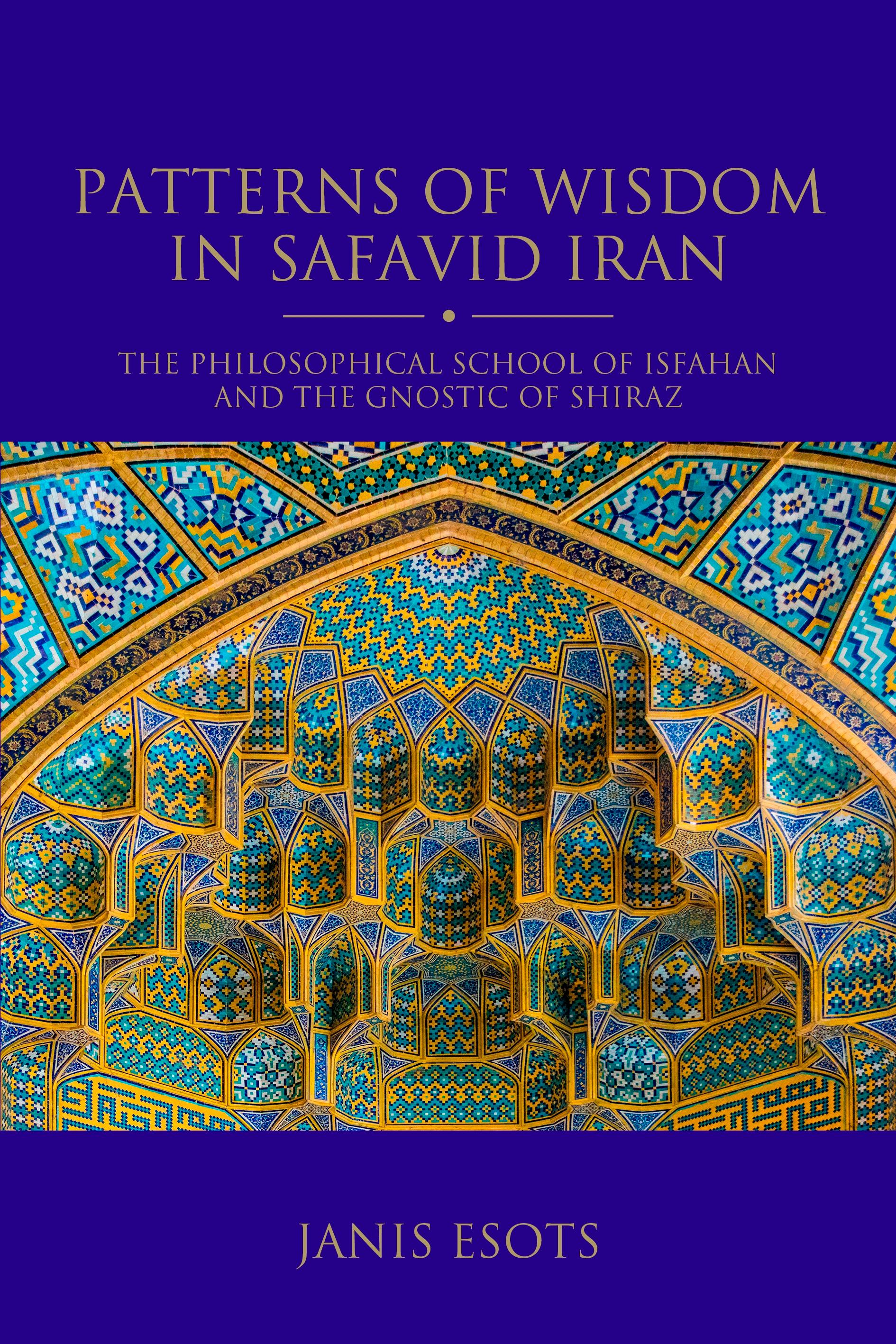
The exceptional intellectual richness of seventeenth-century Safavid Iran is epitomised by the philosophical school of Isfahan, and in particular by its ostensible founder, Mir Damad (d. 1631), and his great student Mulla Sadra (aka Sadr al-Din Shirazi, d. 1636). Equally important to the school is the apophatic wisdom of Rajab 'Ali Tabrizi that followed later (d. 1669/70).
However, despite these philosophers' renown, the identification of the 'philosophical school of Isfahan' was only proposed in 1956, by the celebrated French Iranologist Henry Corbin, who noted the unifying Islamic Neoplatonist character of some 20 thinkers and spiritual figures; this grouping has subsequently remained unchallenged for some fifty years.
In this highly original work, Janis Esots investigates the legitimacy of the term 'school', delving into the complex philosophies of these three major Shi'i figures and drawing comparisons between them. The author makes the case that Mulla Sadra's thought is independent and actually incompatible with the thoughts of Mir Damad and Rajab Ali Tabrizi. This not only presents a new way of thinking about how we understand the 'school of Isfahan', it also identifies Mir Damad and Rajab Ali Tabrizi as pioneers in their own right.
The exceptional intellectual richness of seventeenth-century Safavid Iran is epitomised by the philosophical school of Isfahan, and in particular by its ostensible founder, Mir Damad (d. 1631), and his great student Mulla Sadra (aka Sadr al-Din Shirazi, d. 1636). Equally important to the school is the apophatic wisdom of Rajab 'Ali Tabrizi that followed later (d. 1669/70).
However, despite these philosophers' renown, the identification of the 'philosophical school of Isfahan' was only proposed in 1956, by the celebrated French Iranologist Henry Corbin, who noted the unifying Islamic Neoplatonist character of some 20 thinkers and spiritual figures; this grouping has subsequently remained unchallenged for some fifty years.
In this highly original work, Janis Esots investigates the legitimacy of the term 'school', delving into the complex philosophies of these three major Shi'i figures and drawing comparisons between them. The author makes the case that Mulla Sadra's thought is independent and actually incompatible with the thoughts of Mir Damad and Rajab Ali Tabrizi. This not only presents a new way of thinking about how we understand the 'school of Isfahan', it also identifies Mir Damad and Rajab Ali Tabrizi as pioneers in their own right.
Pagine: 280
Categoria: Religion & Teologi
e-ISBN: 9780755644933
Peso di spedizione: 1.2 kg
Spedito in: 1-2 giorni
Paga facilmente con carta, Klarna, Apple Pay o Google Pay. Non sei soddisfatto? Hai sempre 14 giorni per il rimborso. Leggi di più nei nostri termini. Per qualsiasi domanda, scrivici a hello@memmo.org.
Memmo rende lo studio più facile, ovunque tu sia nel mondo. Qui trovi i tuoi libri di testo e strumenti di studio intelligenti, tutto in un unico posto: riassunti, quiz, podcast e flashcard. E poi c'è Ted, il tuo compagno di studio che risponde a ogni tua domanda. Oltre 50.000 studenti studiano già qui: è stato creato per aiutarti a imparare più velocemente e a stressarti meno.