
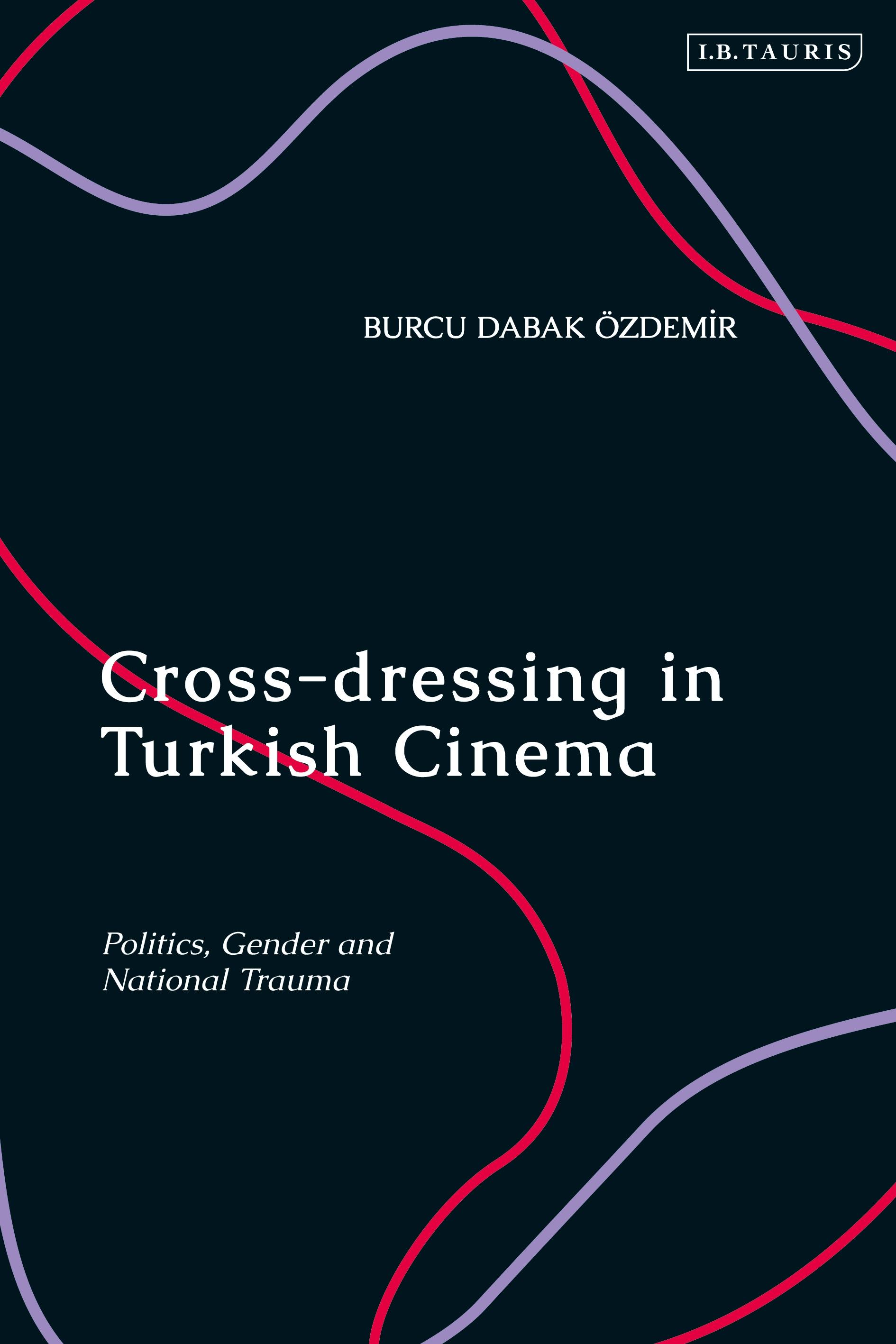
As in western cinema, cross-dressing is a recurrent theme in Turkish film. But what do these films, whose characters typically cross-dress in order to escape enemies or other threats, tell us about the modern history of the Turkish Republic?
This book examines cross-dressing in Turkish films in the context of formative events in modern Turkish political history, arguing that this trope coincides with and is illustrative of trauma induced by Turkey's multiple coup d'etats, periods of authoritarianism, enforced secularism and 'modernization'.
Burcu Dabak Ozdemir analyses five case study films wherein she reveals that cross-dressing characters are able to escape persecutors and surveillance - key instruments of oppression during Turkey's coups. She shows how cross-dressing in the films examined become a destabilising force, a form of implicit resistance against state power, both political and in terms of binaries of gender and identity, and a means to register moments of national trauma. The book historicises the concept of cross-dressing in modern Turkey by examining what the author argues is a formative trauma worked through in the films examined: the westernization policies of the Kemalist regime whose most immediate symbolic presence was worn - the enforced adoption of western dress by citizens.
Of interest to scholars of gender, queer, film and trauma studies, the book will also appeal to students and scholars of contemporary Turkish culture and society.
This book examines cross-dressing in Turkish films in the context of formative events in modern Turkish political history, arguing that this trope coincides with and is illustrative of trauma induced by Turkey's multiple coup d'etats, periods of authoritarianism, enforced secularism and 'modernization'.
Burcu Dabak Ozdemir analyses five case study films wherein she reveals that cross-dressing characters are able to escape persecutors and surveillance - key instruments of oppression during Turkey's coups. She shows how cross-dressing in the films examined become a destabilising force, a form of implicit resistance against state power, both political and in terms of binaries of gender and identity, and a means to register moments of national trauma. The book historicises the concept of cross-dressing in modern Turkey by examining what the author argues is a formative trauma worked through in the films examined: the westernization policies of the Kemalist regime whose most immediate symbolic presence was worn - the enforced adoption of western dress by citizens.
Of interest to scholars of gender, queer, film and trauma studies, the book will also appeal to students and scholars of contemporary Turkish culture and society.
Pagine: 216
Categoria: Film- & Medievetenskap
e-ISBN: 9780755634248
Peso di spedizione: 1.2 kg
Spedito in: 1-2 giorni
Paga facilmente con carta, Klarna, Apple Pay o Google Pay. Non sei soddisfatto? Hai sempre 14 giorni per il rimborso. Leggi di più nei nostri termini. Per qualsiasi domanda, scrivici a hello@memmo.org.
Memmo rende lo studio più facile, ovunque tu sia nel mondo. Qui trovi i tuoi libri di testo e strumenti di studio intelligenti, tutto in un unico posto: riassunti, quiz, podcast e flashcard. E poi c'è Ted, il tuo compagno di studio che risponde a ogni tua domanda. Oltre 50.000 studenti studiano già qui: è stato creato per aiutarti a imparare più velocemente e a stressarti meno.