
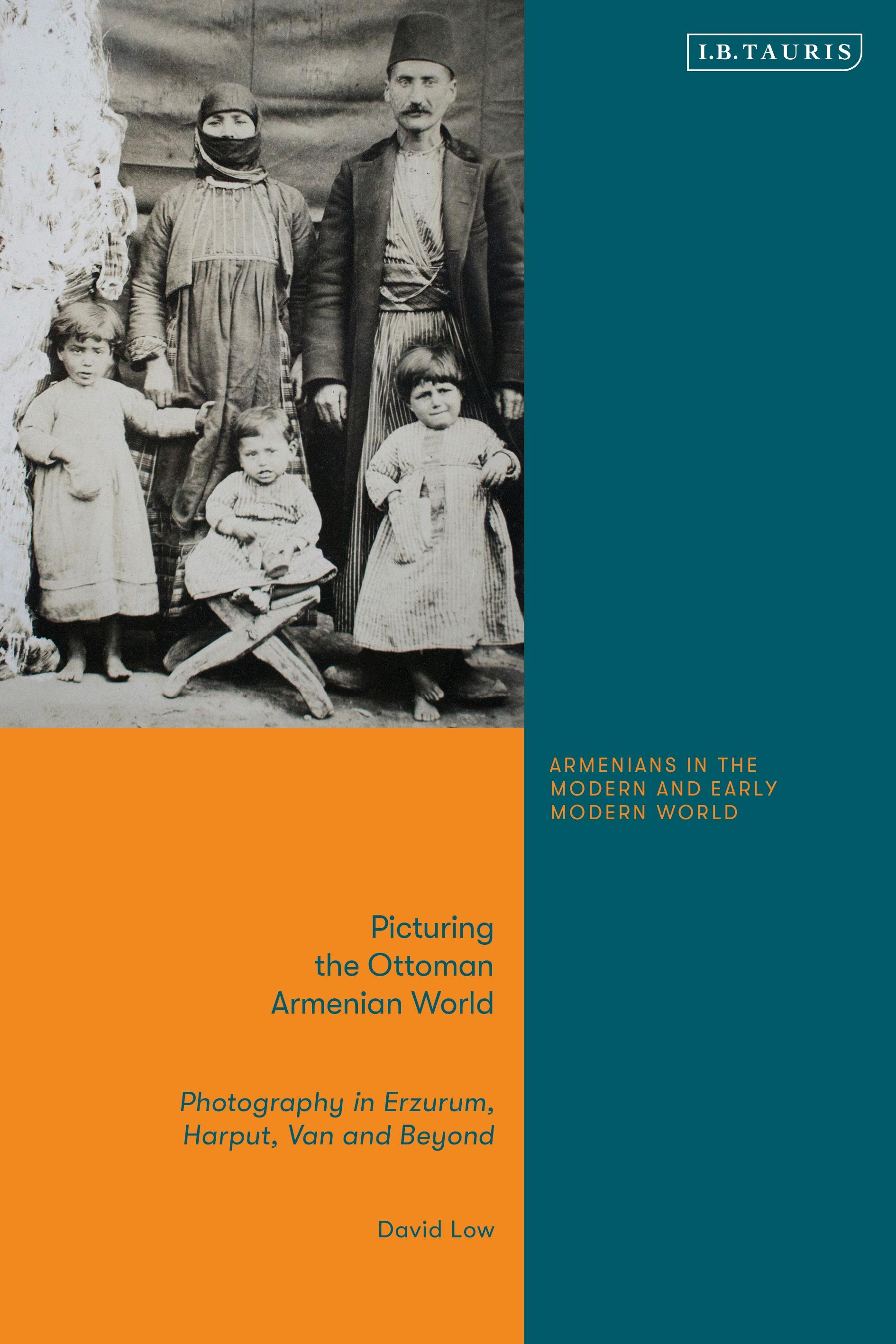
The Armenian contribution to Ottoman photography is supposedly well known, with histories documenting the famous Ottoman Armenian-run studios of the imperial capital that produced Orientalist visions for tourists and images of modernity for a domestic elite. Neglected, however, have been the practitioners of the eastern provinces where the majority of Ottoman Armenians were to be found, with the result that their role in the medium has been obscured and wider Armenian history and experience distorted. Photography in the Ottoman East was grounded in very different concerns, with the work of studios rooted in the seismic social, political and cultural shifts that reshaped the region and Armenian lives during the empire's last decades.
The first study of its kind, this book examines photographic activity in three sites on the Armenian plateau: Erzurum, Harput and Van. Arguing that local photographic practices were marked by the dominant activities and movements of these places, it describes a medium bound up in educational endeavours, mass migration and revolutionary politics. The camera both responded to and became the instrument of these phenomena. Light is shone on previously unknown practitioners and, more vitally, a perspective gained on the communities that they served. The book suggests that by contemplating the ways in which photographs were made, used, circulated and seen, we might form a picture of the Ottoman Armenian world.
The first study of its kind, this book examines photographic activity in three sites on the Armenian plateau: Erzurum, Harput and Van. Arguing that local photographic practices were marked by the dominant activities and movements of these places, it describes a medium bound up in educational endeavours, mass migration and revolutionary politics. The camera both responded to and became the instrument of these phenomena. Light is shone on previously unknown practitioners and, more vitally, a perspective gained on the communities that they served. The book suggests that by contemplating the ways in which photographs were made, used, circulated and seen, we might form a picture of the Ottoman Armenian world.
Paga facilmente con carta, Klarna, Apple Pay o Google Pay. Non sei soddisfatto? Hai sempre 14 giorni per il rimborso. Leggi di più nei nostri termini. Per qualsiasi domanda, scrivici a hello@memmo.org.
Memmo rende lo studio più facile, ovunque tu sia nel mondo. Qui trovi i tuoi libri di testo e strumenti di studio intelligenti, tutto in un unico posto: riassunti, quiz, podcast e flashcard. E poi c'è Ted, il tuo compagno di studio che risponde a ogni tua domanda. Oltre 50.000 studenti studiano già qui: è stato creato per aiutarti a imparare più velocemente e a stressarti meno.