
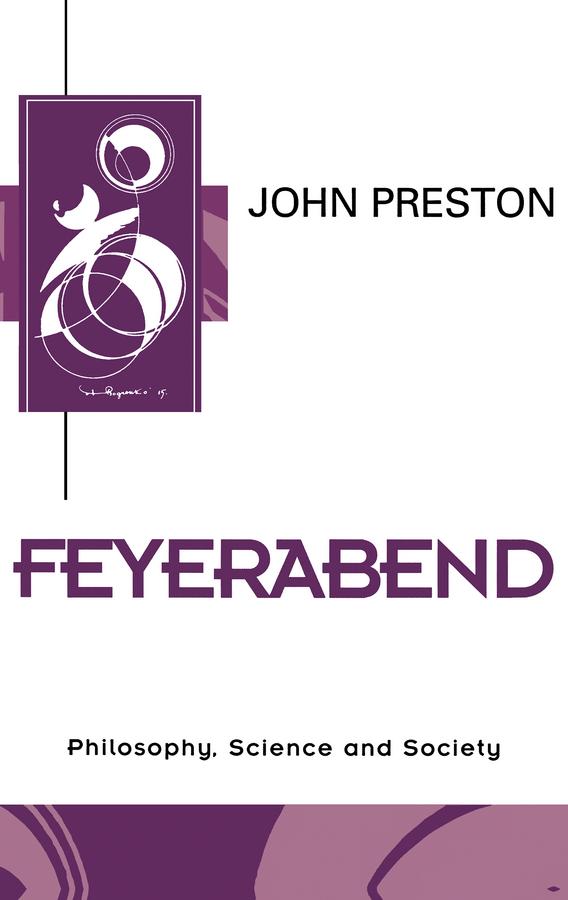
The book traces the evolution of Feyerabend's thought, beginning with his early attempt to graft insights from Wittgenstein's conception of meaning onto Popper's falsificationist philosophy. The key elements of Feyerabend's model of the acquisition of knowledge are identified and critically evaluated. Feyerabend's early work emerges as a continuation of Popper's philosophy of science, rather than as a contribution to the historical approach to science with which he is usually associated.
In his more notorious later work, Feyerabend claimed that there was, and should be, no such thing as the scientific method. The roots of Feyerabend's 'epistemological anarchism' are exposed and the weaknesses of his cultural relativism are brought out.
Throughout the book, Preston discusses the influence of Feyerabend's thought on contemporary philosophers and traces his stimulating but divided legacy. The book will be of interest to students of philosophy, methodology, and the social sciences.
Paga facilmente con carta, Klarna, Apple Pay o Google Pay. Non sei soddisfatto? Hai sempre 14 giorni per il rimborso. Leggi di più nei nostri termini. Per qualsiasi domanda, scrivici a hello@memmo.org.
Memmo rende lo studio più facile, ovunque tu sia nel mondo. Qui trovi i tuoi libri di testo e strumenti di studio intelligenti, tutto in un unico posto: riassunti, quiz, podcast e flashcard. E poi c'è Ted, il tuo compagno di studio che risponde a ogni tua domanda. Oltre 50.000 studenti studiano già qui: è stato creato per aiutarti a imparare più velocemente e a stressarti meno.