
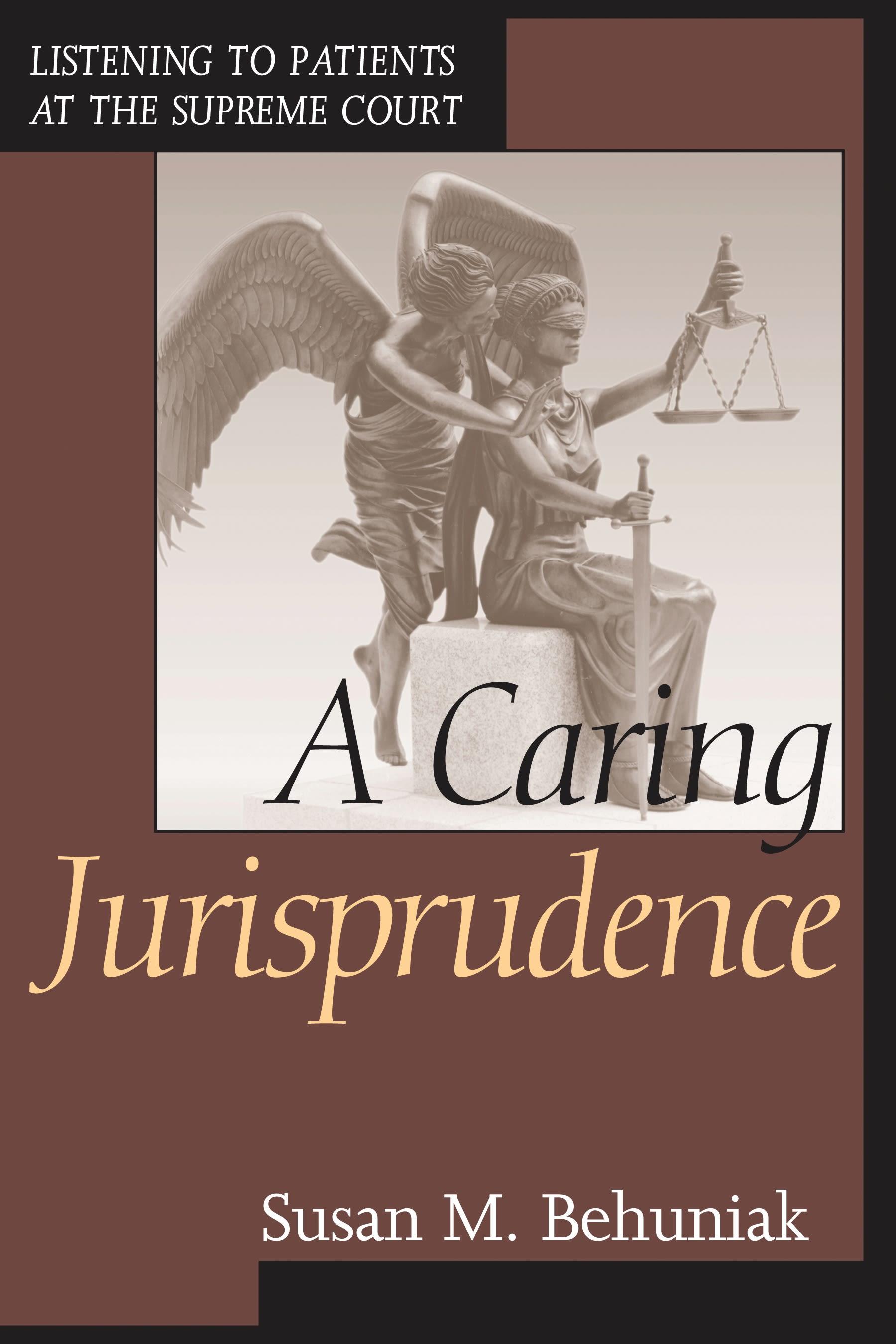
In deciding the abortion and physician assisted suicide cases, a majority of the Justices of the United States Supreme Court drew on medical knowledge to inform their opinions while dismissing the distinctively different knowledge offered by patients. Following the legal norms derived from the ethic of justice, the CourtOs deference toward the Ouniversal,O Oimpartial,O and OreasonedO knowledge of the medical profession and its disregard of the Oparticular,O Oinvolved,O and OemotionalO knowledge of patients seemed inevitable as well as justified. But was it? This book argues that it is both possible and proper to develop a jurisprudence capable of incorporating the knowledge of patients. Drawing on feminist scholarship, this book proposes a model for a Ocaring jurisprudenceO that integrates the ethic of justice and the ethic of care to ensure that patientsO knowledge is included in judicial decision making.
Paga facilmente con carta, Klarna, Apple Pay o Google Pay. Non sei soddisfatto? Hai sempre 14 giorni per il rimborso. Leggi di più nei nostri termini. Per qualsiasi domanda, scrivici a hello@memmo.org.
Memmo rende lo studio più facile, ovunque tu sia nel mondo. Qui trovi i tuoi libri di testo e strumenti di studio intelligenti, tutto in un unico posto: riassunti, quiz, podcast e flashcard. E poi c'è Ted, il tuo compagno di studio che risponde a ogni tua domanda. Oltre 50.000 studenti studiano già qui: è stato creato per aiutarti a imparare più velocemente e a stressarti meno.