
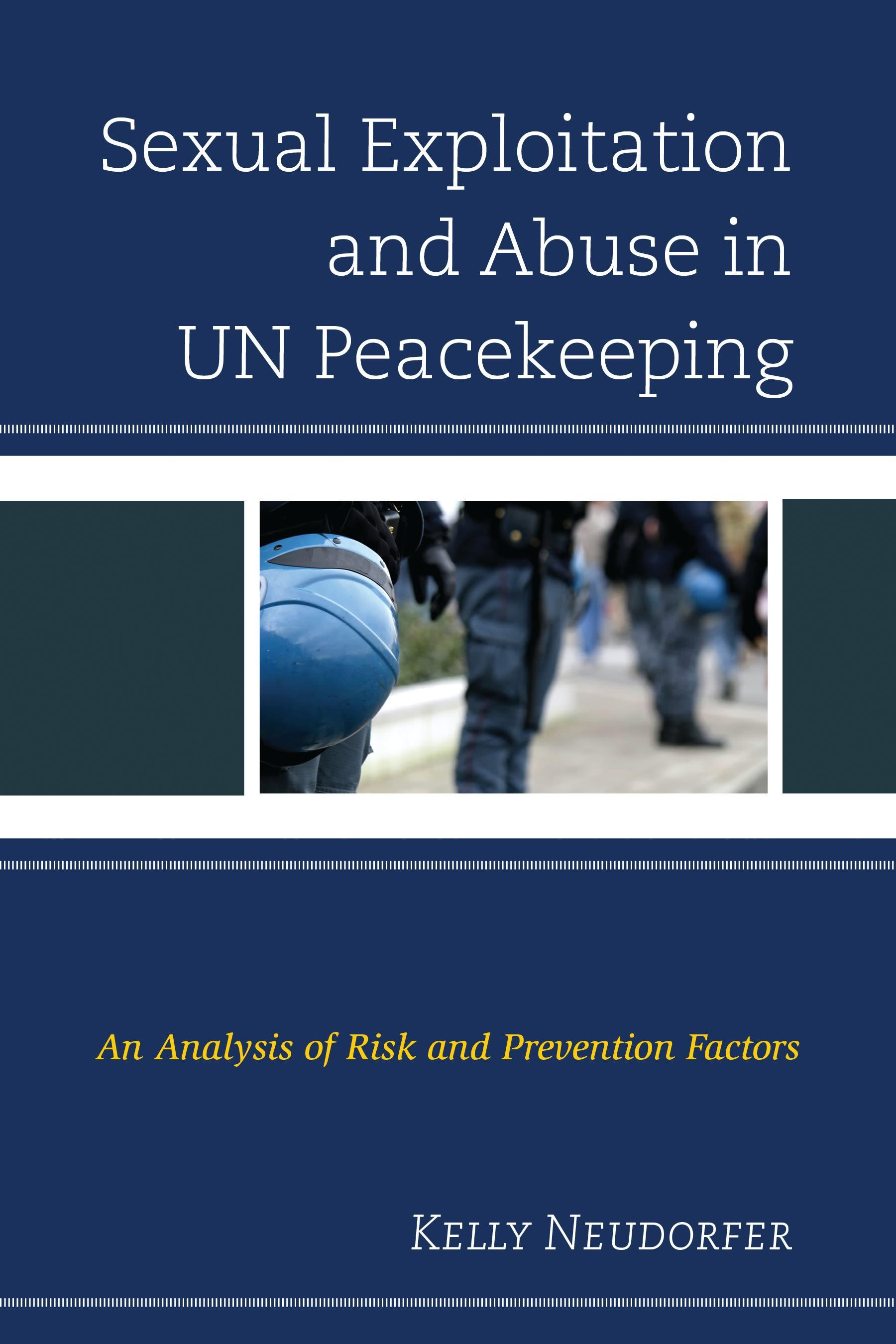
While serving in United Nations peacekeeping missions, some peacekeepers sexually exploit and abuse the local population, a fact which erupted into a scandal published by many media outlets in 2005 and 2006. This book analyzes factors which may increase the risk of such behavior as well as measures the UN has taken which may have decreased the number of incidents. Using a mixed methods design, the book argues that previous analyses have been largely undertheorized—with the exception of gender theories—and turns to criminology to look at the phenomenon of so-called “Sexual Exploitation and Abuse” (SEA) in a new light. The three risk factors found to increase the likelihood of SEAs are an environment of sexual violence in the mission’s host country, the presence of internally displaced persons close to the mission, and a lack of supervised or regulated contact with the local population. In turn, the presence of an office whose purpose is to collect reports and investigate allegations, training on preventing SEAs for the incoming peacekeepers, and campaigns to empower the local population on these issues all seem to reduce the risk of sexual exploitation and abuse occurring. By using a statistical analysis followed by case studies of the UN peacekeeping missions in the Democratic Republic of the Congo, Liberia, and the Golan Heights, the author demonstrates the importance these factors have in the peacekeepers’ behavior on the mission, providing a solid basis upon which future policy recommendations can be made.
Pagine: 214
Categoria: Statsvetenskap & Politik
e-ISBN: 9780739199619
Peso di spedizione: 1.2 kg
Spedito in: 1-2 giorni
Paga facilmente con carta, Klarna, Apple Pay o Google Pay. Non sei soddisfatto? Hai sempre 14 giorni per il rimborso. Leggi di più nei nostri termini. Per qualsiasi domanda, scrivici a hello@memmo.org.
Memmo rende lo studio più facile, ovunque tu sia nel mondo. Qui trovi i tuoi libri di testo e strumenti di studio intelligenti, tutto in un unico posto: riassunti, quiz, podcast e flashcard. E poi c'è Ted, il tuo compagno di studio che risponde a ogni tua domanda. Oltre 50.000 studenti studiano già qui: è stato creato per aiutarti a imparare più velocemente e a stressarti meno.