
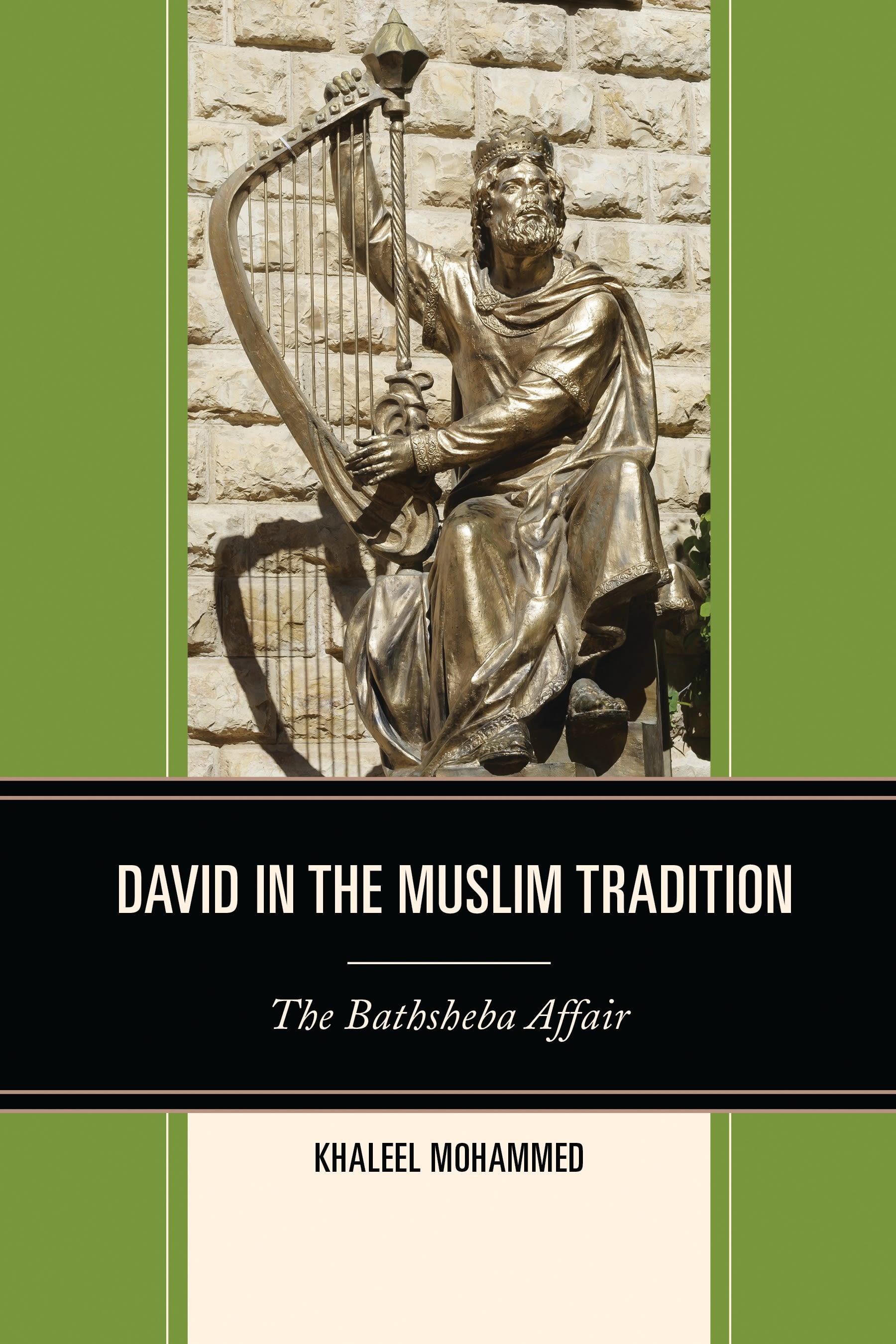
In Chapter 38:21-25, the Qur’an relates a very short narrative about the biblical King David’s seeking and receiving God’s forgiveness. The earliest Muslim exegetes interpreted the qur’anic verses as referring to the Hebrew Bible’s story of David’s adultery with Bathsheba, as related in 2 Samuel 12:1-13. Later Muslims, however, having developed the concept of prophetic impeccability, radically reinterpreted those verses to show David as innocent of any wrongdoing since, in the Muslim tradition, he is not only a king, but a prophet as well. David in the Muslim Tradition: The Bathsheba Affair outlines the approach of the Qur’an to shared scriptures, and provides a detailed look at the development of the exegetical tradition and the factors that influenced such exegesis. By establishing four distinct periods of exegesis, Khaleel Mohammed examines the most famous explanations in each stratum to show the metamorphosis from blame to exculpation. He shows that the Muslim development is not unique, but is very much in following the Jewish and Christian traditions, wherein a similar sanitization of David’s image has occurred.
Paga facilmente con carta, Klarna, Apple Pay o Google Pay. Non sei soddisfatto? Hai sempre 14 giorni per il rimborso. Leggi di più nei nostri termini. Per qualsiasi domanda, scrivici a hello@memmo.org.
Memmo rende lo studio più facile, ovunque tu sia nel mondo. Qui trovi i tuoi libri di testo e strumenti di studio intelligenti, tutto in un unico posto: riassunti, quiz, podcast e flashcard. E poi c'è Ted, il tuo compagno di studio che risponde a ogni tua domanda. Oltre 50.000 studenti studiano già qui: è stato creato per aiutarti a imparare più velocemente e a stressarti meno.