
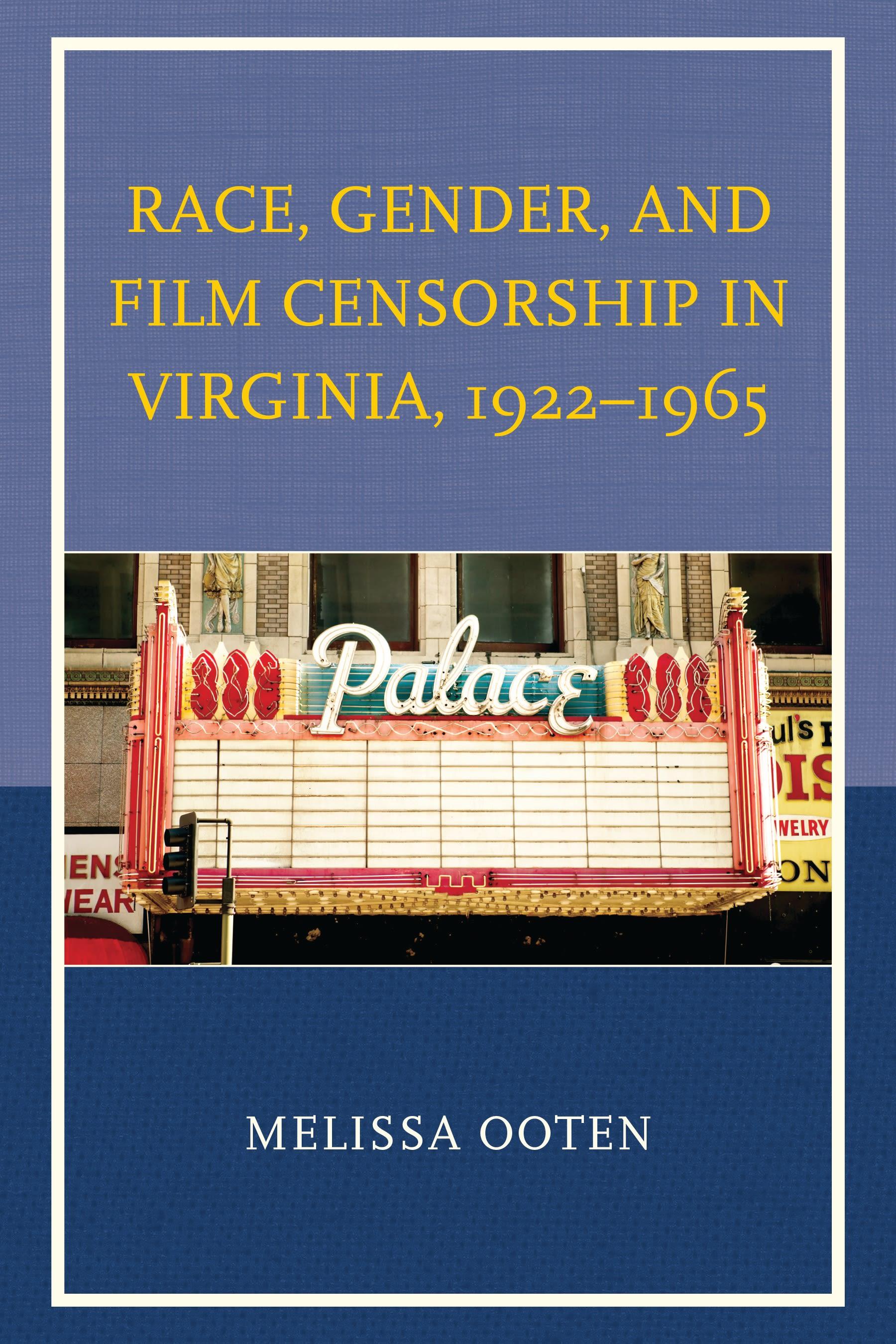
This book chronicles the history of movie censorship in Virginia from the 1920s to 1960s. At its most basic level, it analyzes the project of state film censorship in Virginia. It uses the contestations surrounding film censorship as a framework for more fully understanding the dominant political, economic, and cultural hierarchies that structured Virginia and much of the New South in the mid-twentieth century and ways in which citizens contested these prevailing structures. This study highlights the centrality of gendered and racialized discourses in the debates over the movies and the broader regulatory power of the state. It particularly emphasizes ways in which issues of race, class, gender, and sexuality framed debates over popular culture in the South. It ties the regulation of racial and sexual boundaries in other areas such as public facilities, schools, public transportation, the voting booth, and residential housing to ways in which censors regulated those same boundaries in popular culture.
This book shows how the same racialized and gendered social norms and legal codes that placed audience members in different theater spaces also informed ways in which what they viewed on-screen had been mediated by state officials. Ultimately, this study shows how Virginia’s officials attempted to use the project of film censorship as the cultural arm of regulation to further buttress the state’s political and economic hierarchies of the time period and the ways in various citizens and community groups supported and challenged these hierarchies across the censorship board’s forty-three-year history.
This book shows how the same racialized and gendered social norms and legal codes that placed audience members in different theater spaces also informed ways in which what they viewed on-screen had been mediated by state officials. Ultimately, this study shows how Virginia’s officials attempted to use the project of film censorship as the cultural arm of regulation to further buttress the state’s political and economic hierarchies of the time period and the ways in various citizens and community groups supported and challenged these hierarchies across the censorship board’s forty-three-year history.
Paga facilmente con carta, Klarna, Apple Pay o Google Pay. Non sei soddisfatto? Hai sempre 14 giorni per il rimborso. Leggi di più nei nostri termini. Per qualsiasi domanda, scrivici a hello@memmo.org.
Memmo rende lo studio più facile, ovunque tu sia nel mondo. Qui trovi i tuoi libri di testo e strumenti di studio intelligenti, tutto in un unico posto: riassunti, quiz, podcast e flashcard. E poi c'è Ted, il tuo compagno di studio che risponde a ogni tua domanda. Oltre 50.000 studenti studiano già qui: è stato creato per aiutarti a imparare più velocemente e a stressarti meno.