
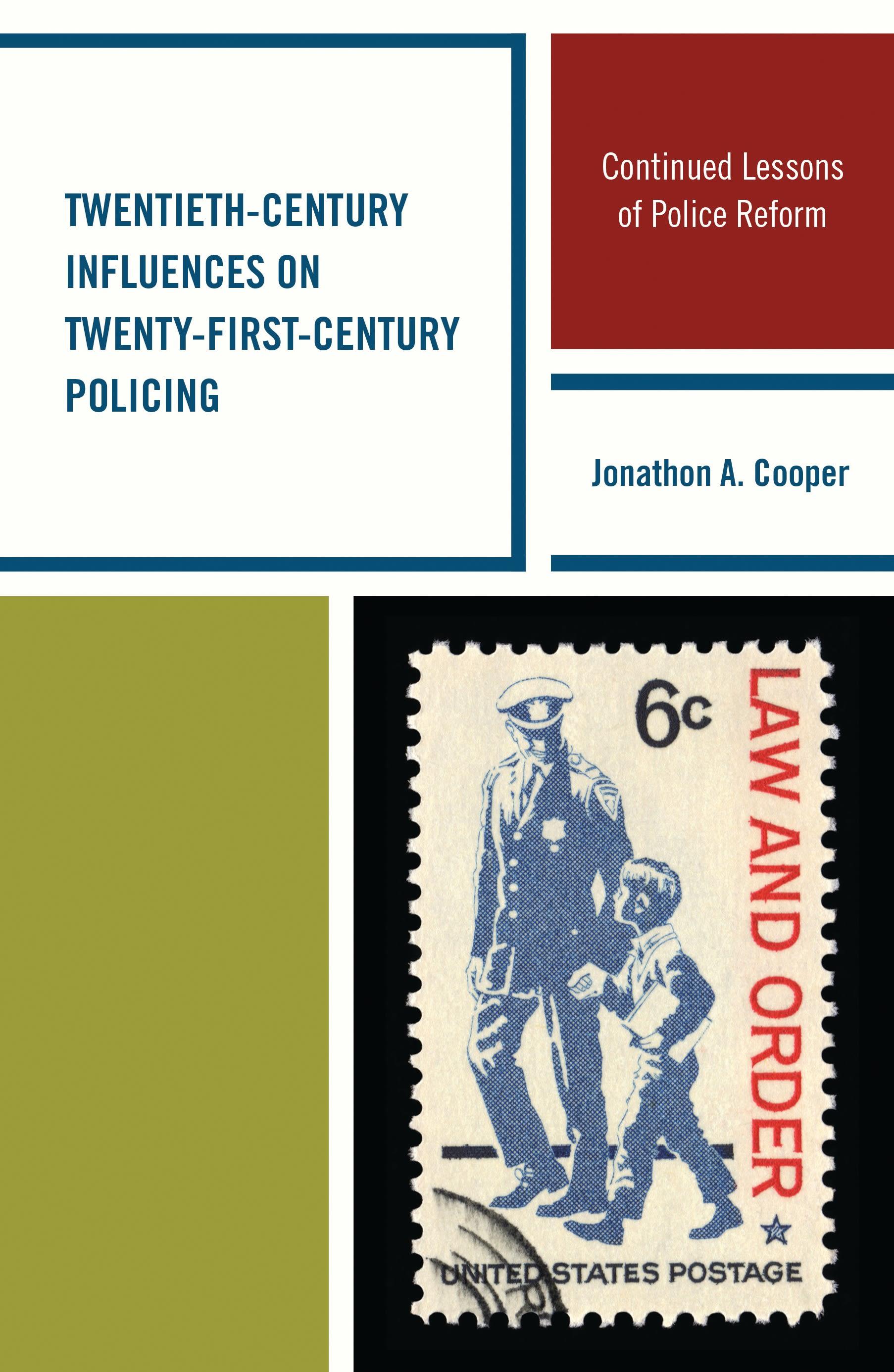
Events in the United States during the 1950s, '60s, and '70s created tectonic shifts in how the police operated. This was especially true in terms of their relationship with society. These events included, among others: the due process revolution, which guided how police were to do their job; social science research that called into question that efficacy of the professional policing model; and race riots against police activity, which were the result of poor police-minority community relations. This book outlines these (and other) changes, explores their implications for the relationship between society and the police, and suggests that a knowledge of these changes is imperative to understanding trends in contemporary policing as well as the direction policing needs to take. As policing becomes more technologically savvy and scientific in its approach to fighting crime (for example, the SMART Policing Initiative, COMPSTAT, and problem oriented approaches such as Project Safe Neighborhoods) in a time when governments are faced with austerity, it is important to reconsider how policing got to the point it is so that, as police and governments move forward, constitutional guarantees are protected, communication with citizens remains viable and salient, and crime prevention becomes an empirical reality rather than a pipe-dream.
Pagine: 172
Categoria: Kriminologi
e-ISBN: 9780739189054
Peso di spedizione: 1.2 kg
Spedito in: 1-2 giorni
Paga facilmente con carta, Klarna, Apple Pay o Google Pay. Non sei soddisfatto? Hai sempre 14 giorni per il rimborso. Leggi di più nei nostri termini. Per qualsiasi domanda, scrivici a hello@memmo.org.
Memmo rende lo studio più facile, ovunque tu sia nel mondo. Qui trovi i tuoi libri di testo e strumenti di studio intelligenti, tutto in un unico posto: riassunti, quiz, podcast e flashcard. E poi c'è Ted, il tuo compagno di studio che risponde a ogni tua domanda. Oltre 50.000 studenti studiano già qui: è stato creato per aiutarti a imparare più velocemente e a stressarti meno.