
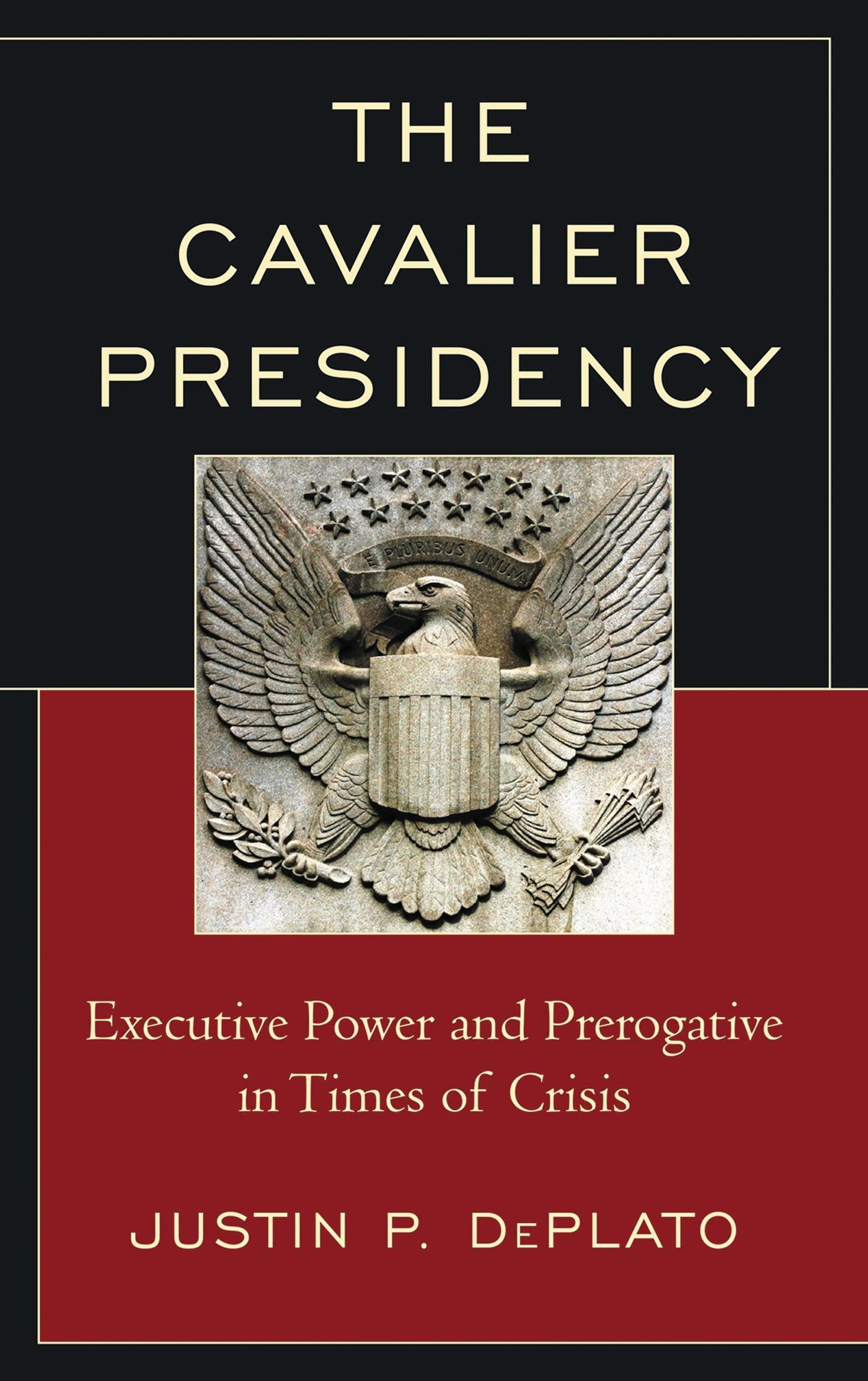
In this book, Justin DePlato examines and analyzes the reasons and justifications for, as well as instances of, executive emergency power in political thought and action. The book begins by analyzing the theory of executive emergency power across a wide breadth of philosophical history, from Ancient Greek, Renaissance, through modern American political thought. This analysis indicates that in political philosophy two models exist for determining and using executive emergency power: an unfettered executive prerogative or a constitutional dictatorship. The modern American approach to executive emergency power is an unfettered executive prerogative, whereby the executive determines what emergency power is and how to use it.
The book addresses the fundamental question of whether executive power in times of crisis may be unfettered and discretionary or rather does the law define and restrain executive emergency power.
The author reviews and analyzes seven U.S. presidencies that handled a domestic crisis—Washington, Jefferson, Madison, Jackson, Lincoln, G. W. Bush, and Obama—to show that presidents become extraordinarily powerful during crises and act unilaterally without oversight. The use of executive emergency power undermines the normal processes of democratic republicanism and harms the rule of law. The author analyzes the U.S. Constitution, formerly classified Department of Justice Memos, primary sourced letters, signing statements, executive orders, presidential decrees, and original founding documents to comprehensively conclude that presidential prerogative determines what emergency powers are and how they are to be executed.
This book challenges the claim that presidents determine their emergency power with appropriate congressional oversight or consultation. The analysis of the empirical data indicates that presidents do not consult with Congress prior to determining what their emergency powers are and how the president wants to use them.
Justin DePlato joins the highly contentious debate over the use of executive power during crisis and offers a sharp argument against an ever-growing centralized and unchecked federal power. He argues that presidents are becoming increasingly reckless when determining and using power during crisis, often times acting unconstitutional.
The book addresses the fundamental question of whether executive power in times of crisis may be unfettered and discretionary or rather does the law define and restrain executive emergency power.
The author reviews and analyzes seven U.S. presidencies that handled a domestic crisis—Washington, Jefferson, Madison, Jackson, Lincoln, G. W. Bush, and Obama—to show that presidents become extraordinarily powerful during crises and act unilaterally without oversight. The use of executive emergency power undermines the normal processes of democratic republicanism and harms the rule of law. The author analyzes the U.S. Constitution, formerly classified Department of Justice Memos, primary sourced letters, signing statements, executive orders, presidential decrees, and original founding documents to comprehensively conclude that presidential prerogative determines what emergency powers are and how they are to be executed.
This book challenges the claim that presidents determine their emergency power with appropriate congressional oversight or consultation. The analysis of the empirical data indicates that presidents do not consult with Congress prior to determining what their emergency powers are and how the president wants to use them.
Justin DePlato joins the highly contentious debate over the use of executive power during crisis and offers a sharp argument against an ever-growing centralized and unchecked federal power. He argues that presidents are becoming increasingly reckless when determining and using power during crisis, often times acting unconstitutional.
Pagine: 234
Categoria: Statsvetenskap & Politik
e-ISBN: 9780739188859
Peso di spedizione: 1.2 kg
Spedito in: 1-2 giorni
Paga facilmente con carta, Klarna, Apple Pay o Google Pay. Non sei soddisfatto? Hai sempre 14 giorni per il rimborso. Leggi di più nei nostri termini. Per qualsiasi domanda, scrivici a hello@memmo.org.
Memmo rende lo studio più facile, ovunque tu sia nel mondo. Qui trovi i tuoi libri di testo e strumenti di studio intelligenti, tutto in un unico posto: riassunti, quiz, podcast e flashcard. E poi c'è Ted, il tuo compagno di studio che risponde a ogni tua domanda. Oltre 50.000 studenti studiano già qui: è stato creato per aiutarti a imparare più velocemente e a stressarti meno.