
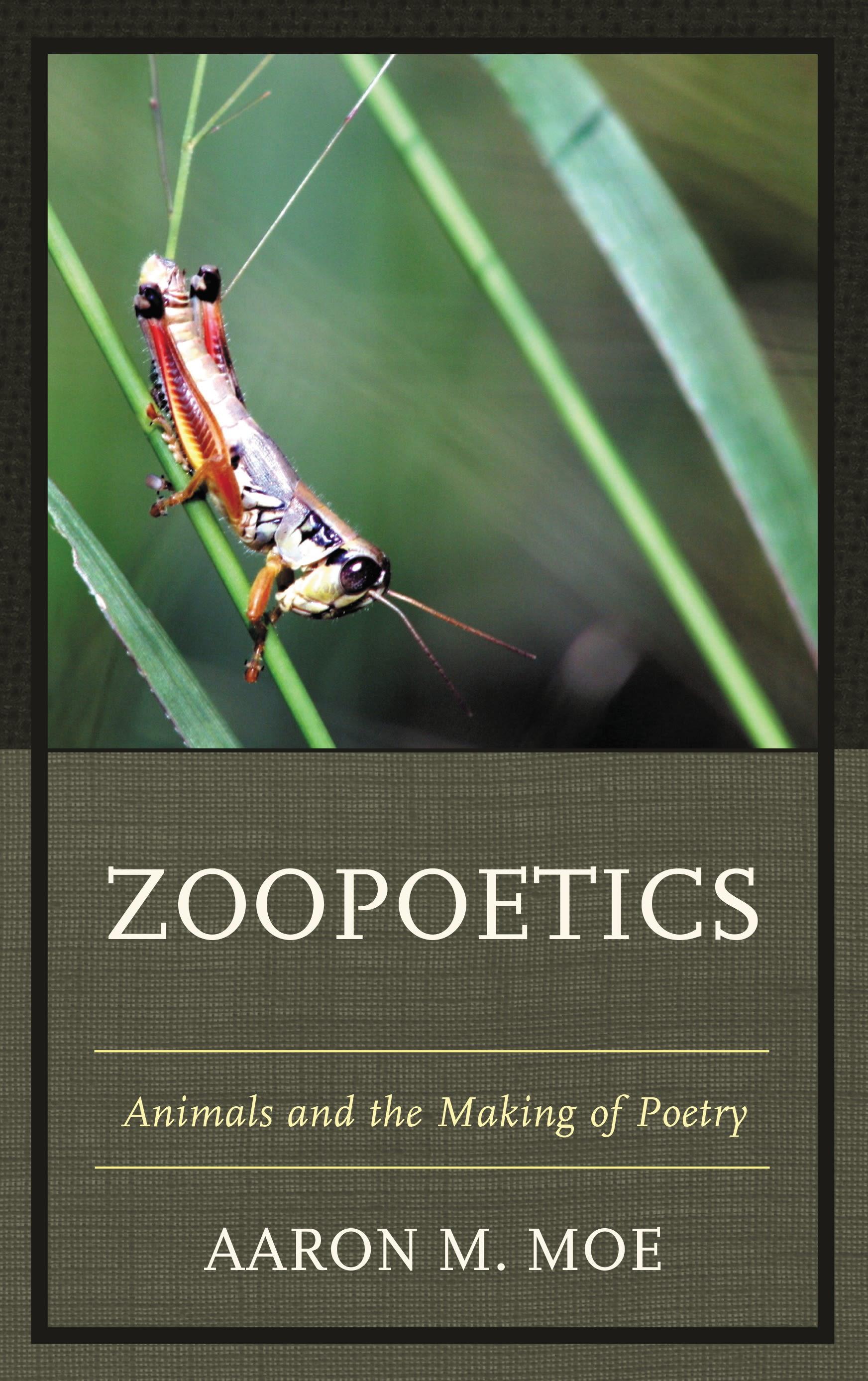
Zoopoetics assumes Aristotle was right. The general origin of poetry resides, in part, in the instinct to imitate. But it is an innovative imitation. An exploration of the oeuvres of Walt Whitman, E. E. Cummings, W. S. Merwin, and Brenda Hillman reveals the many places where an imitation of another species’ poiesis (Greek, makings) contributes to breakthroughs in poetic form. However, humans are not the only imitators in the animal kingdom. Other species, too, achieve breakthroughs in their makings through an attentiveness to the ways-of-being of other animals. For this reason, mimic octopi, elephants, beluga whales, and many other species join the exploration of what zoopoetics encompasses. Zoopoetics provides further traction for people interested in the possibilities when and where species meet.
Gestures are paramount to zoopoetics. Through the interplay of gestures, the human/animal/textual spheres merge making it possible to recognize how actual, biological animals impact the material makings of poetry. Moreover, as many species are makers, zoopoetics expands the poetic tradition to include nonhuman poiesis.
Gestures are paramount to zoopoetics. Through the interplay of gestures, the human/animal/textual spheres merge making it possible to recognize how actual, biological animals impact the material makings of poetry. Moreover, as many species are makers, zoopoetics expands the poetic tradition to include nonhuman poiesis.
Paga facilmente con carta, Klarna, Apple Pay o Google Pay. Non sei soddisfatto? Hai sempre 14 giorni per il rimborso. Leggi di più nei nostri termini. Per qualsiasi domanda, scrivici a hello@memmo.org.
Memmo rende lo studio più facile, ovunque tu sia nel mondo. Qui trovi i tuoi libri di testo e strumenti di studio intelligenti, tutto in un unico posto: riassunti, quiz, podcast e flashcard. E poi c'è Ted, il tuo compagno di studio che risponde a ogni tua domanda. Oltre 50.000 studenti studiano già qui: è stato creato per aiutarti a imparare più velocemente e a stressarti meno.