
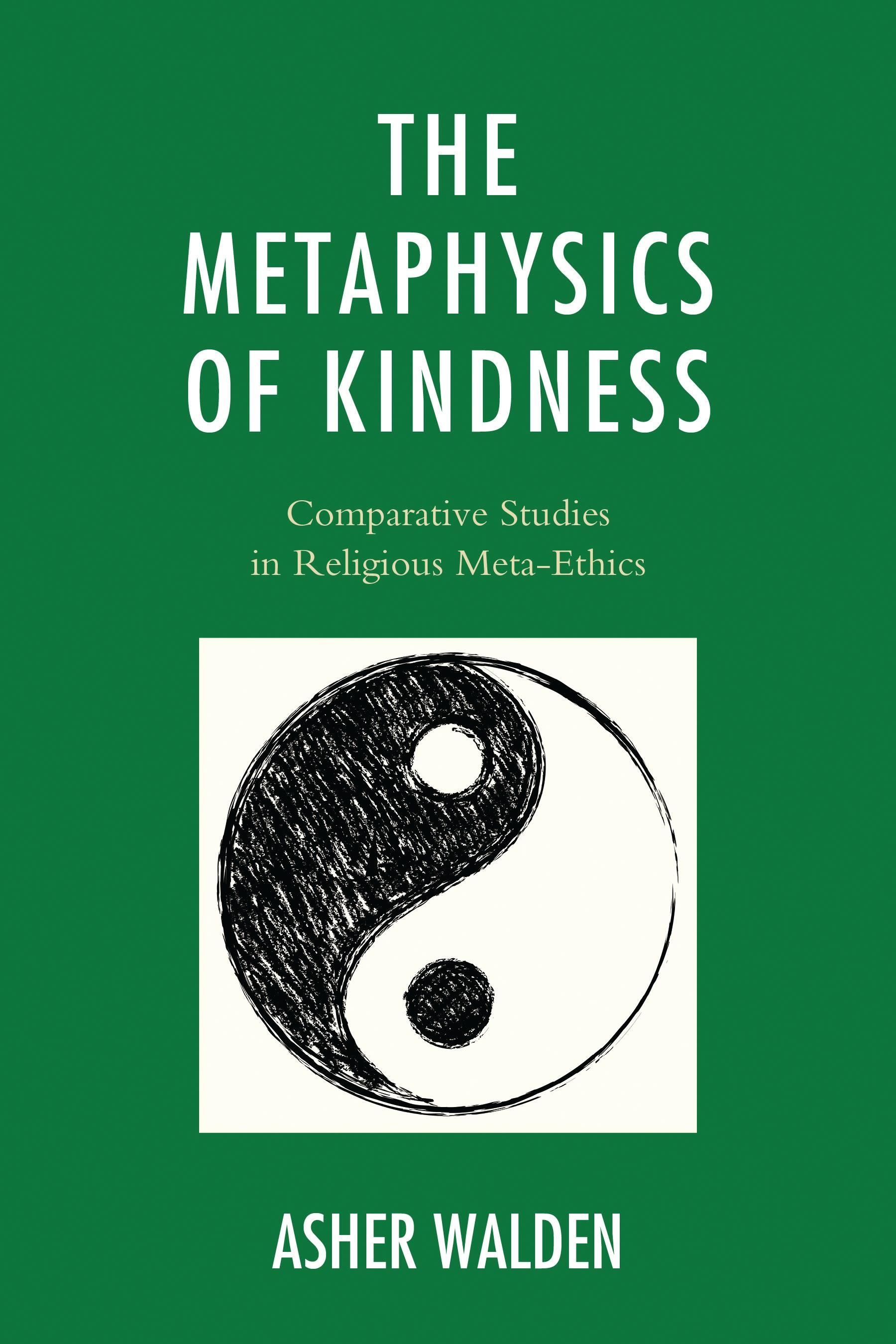
Religious world-views reserve a central and prominent place for human moral action, yet they must also contend with the reality of human moral failings. Is it possible to anchor moral knowledge and practice in the framework of a moral universe? If so, how do you explain why things go wrong? Must the religions appeal to faith alone, or can they develop a rational framework for their moral visions?
The Metaphysics of Kindness: Comparative Studies in Religious Meta-ethics explores the attempted solutions of four pivotal philosophers from very different traditions: the Neo-Confucian Zhu Xi, the German Idealist Arthur Schopenhauer, the Mahayana Buddhist Santideva, and the progenitor of the Kyoto School, Nishida Kitaro. Each position is investigated sympathetically and independently, yet there is an underlying commonality weaving the different studies together: compassion. Each philosopher treats compassion not only as one virtue among others, but as a kind of meta-virtue, the one that is in some respect the logical and/or psychological basis for all the other virtues. It is also a trait that is both at the heart of human nature, and also somehow at the heart of nature itself.
The Metaphysics of Kindness: Comparative Studies in Religious Meta-ethics explores the attempted solutions of four pivotal philosophers from very different traditions: the Neo-Confucian Zhu Xi, the German Idealist Arthur Schopenhauer, the Mahayana Buddhist Santideva, and the progenitor of the Kyoto School, Nishida Kitaro. Each position is investigated sympathetically and independently, yet there is an underlying commonality weaving the different studies together: compassion. Each philosopher treats compassion not only as one virtue among others, but as a kind of meta-virtue, the one that is in some respect the logical and/or psychological basis for all the other virtues. It is also a trait that is both at the heart of human nature, and also somehow at the heart of nature itself.
Paga facilmente con carta, Klarna, Apple Pay o Google Pay. Non sei soddisfatto? Hai sempre 14 giorni per il rimborso. Leggi di più nei nostri termini. Per qualsiasi domanda, scrivici a hello@memmo.org.
Memmo rende lo studio più facile, ovunque tu sia nel mondo. Qui trovi i tuoi libri di testo e strumenti di studio intelligenti, tutto in un unico posto: riassunti, quiz, podcast e flashcard. E poi c'è Ted, il tuo compagno di studio che risponde a ogni tua domanda. Oltre 50.000 studenti studiano già qui: è stato creato per aiutarti a imparare più velocemente e a stressarti meno.