
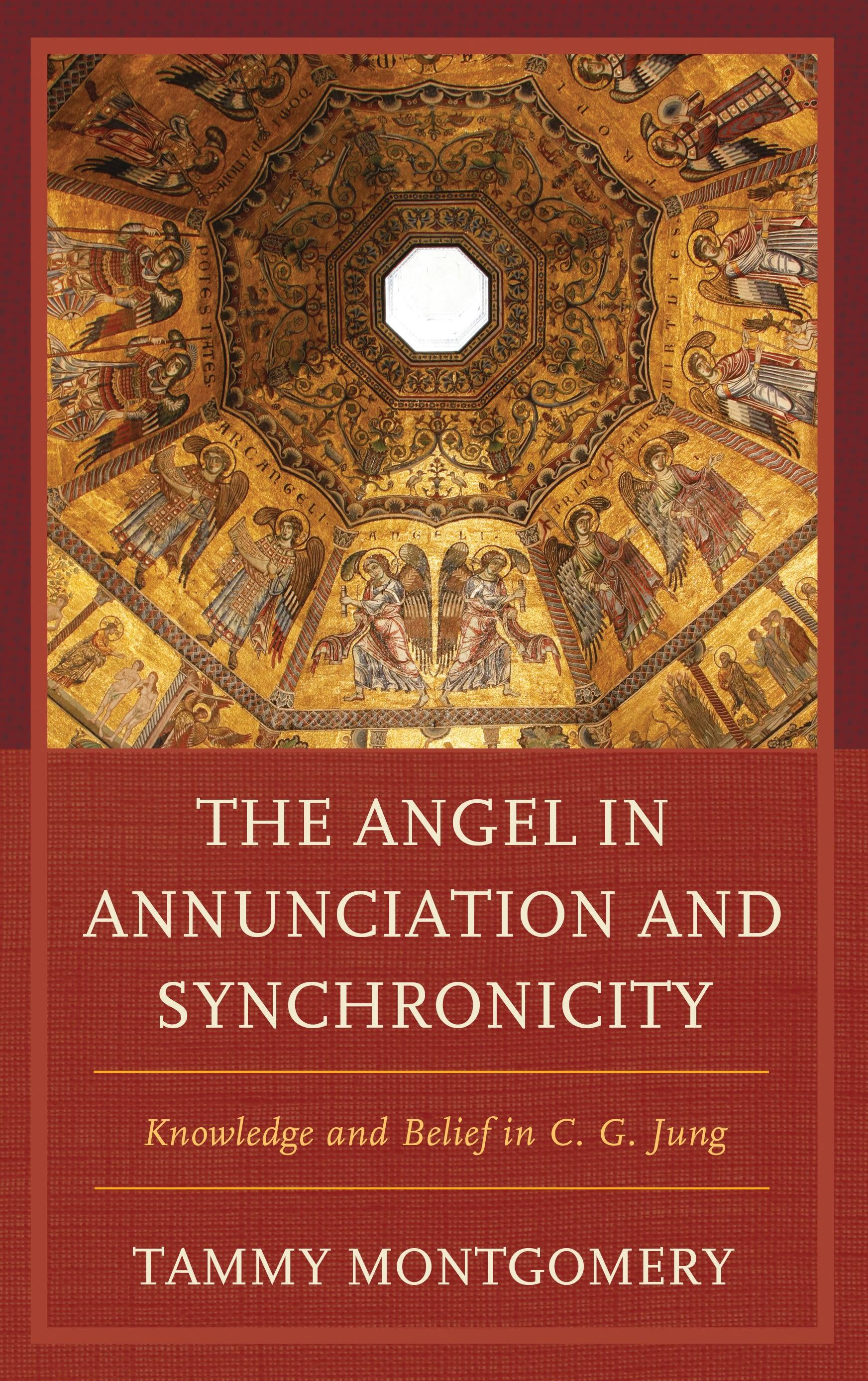
Fear grips those who doubt that their existence has meaning, and the prevailing notion that humans are situated on a dot in the middle of a dark, cold universe leaves people shivering in cosmic insignificance. Many would argue that science and technology have separated individuals from God while others would say that people have lost their faith, and some would assert that God is dead. Many simply do not know what to believe. Today’s self-help industry is a testament to the search for meaning in an age of uncertainty and faltering religious structures.
The truth is that technology and science now answer many of the questions that used to be left to God. This development has confounded people’s ability to integrate what is known today with what was once thought. The disparity between past and present beliefs may be observed in the concept of the angel. There are many who claim that any lingering belief in angels is merely the residue of imaginary or wishful thinking, and there are others who hold that angels (wings, halos, and harps) literally exist. How is one to reconcile such contradictory beliefs?
C. G. Jung’s theory of synchronicity (meaningful coincidence) provides a vehicle for the exploration and possible reconciliation of such questions. Rather than echoing the skeptic who says angels cannot exist or the religious enthusiast who affirms their immanence, one might reframe the entire discussion. Like the biblical concept of annunciation, in which an angel delivers a heavenly message to an earthly individual, synchronicity defines the moment at which the eternal touches the temporal.
The truth is that technology and science now answer many of the questions that used to be left to God. This development has confounded people’s ability to integrate what is known today with what was once thought. The disparity between past and present beliefs may be observed in the concept of the angel. There are many who claim that any lingering belief in angels is merely the residue of imaginary or wishful thinking, and there are others who hold that angels (wings, halos, and harps) literally exist. How is one to reconcile such contradictory beliefs?
C. G. Jung’s theory of synchronicity (meaningful coincidence) provides a vehicle for the exploration and possible reconciliation of such questions. Rather than echoing the skeptic who says angels cannot exist or the religious enthusiast who affirms their immanence, one might reframe the entire discussion. Like the biblical concept of annunciation, in which an angel delivers a heavenly message to an earthly individual, synchronicity defines the moment at which the eternal touches the temporal.
Paga facilmente con carta, Klarna, Apple Pay o Google Pay. Non sei soddisfatto? Hai sempre 14 giorni per il rimborso. Leggi di più nei nostri termini. Per qualsiasi domanda, scrivici a hello@memmo.org.
Memmo rende lo studio più facile, ovunque tu sia nel mondo. Qui trovi i tuoi libri di testo e strumenti di studio intelligenti, tutto in un unico posto: riassunti, quiz, podcast e flashcard. E poi c'è Ted, il tuo compagno di studio che risponde a ogni tua domanda. Oltre 50.000 studenti studiano già qui: è stato creato per aiutarti a imparare più velocemente e a stressarti meno.