
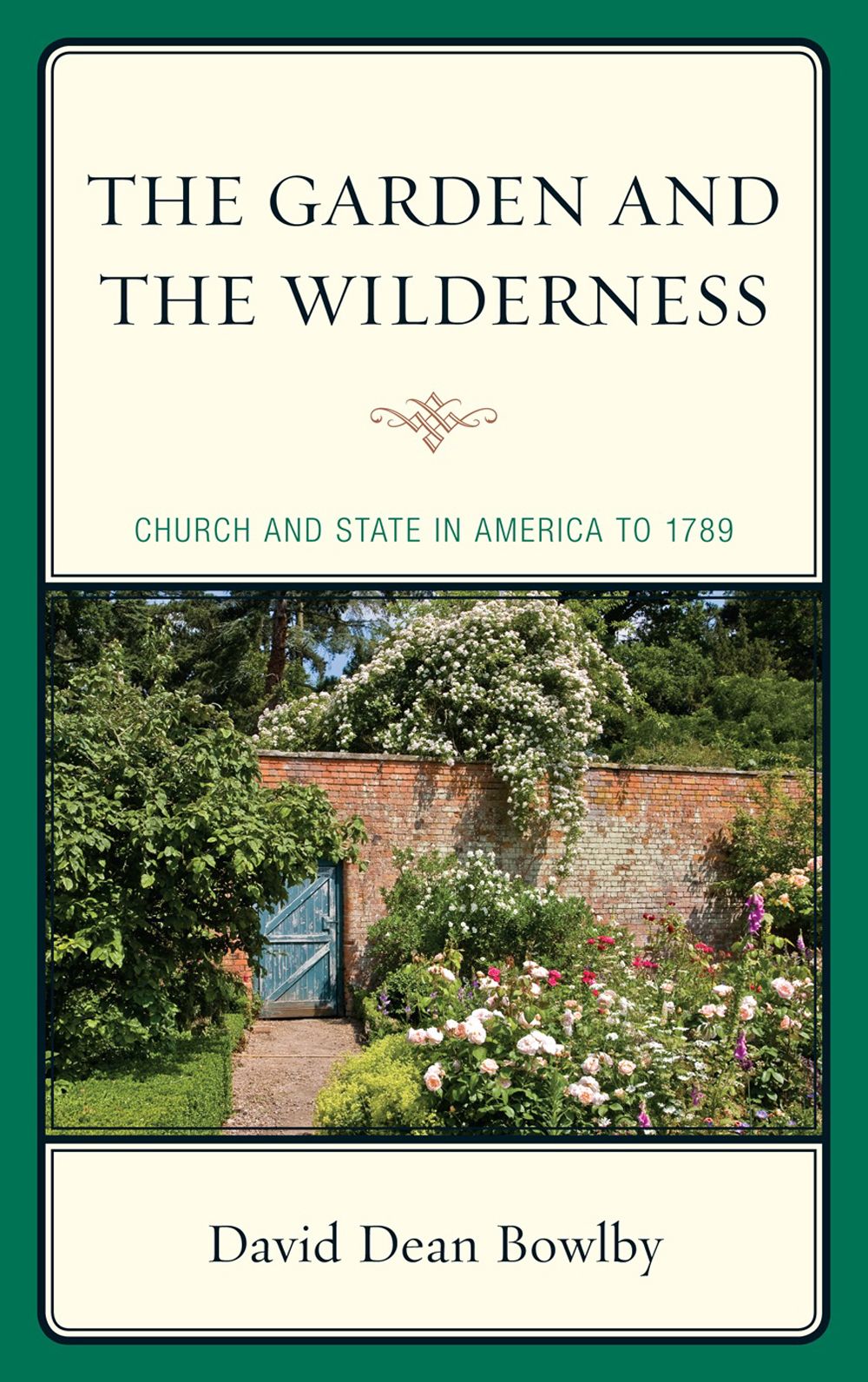
In this well-researched, informative history, David Dean Bowlby examines church and state in the American colonies and the early national period up to the framing of the religion clauses of the First Amendment by the First Congress. Bowlby describes the history of the church and state up to that time as one involving the struggle of religious minorities against church establishments, with increasingly vocal calls for the free exercise of religion, liberty of conscience, and disestablishment.
He shows that when the religion clauses were framed, people feared that the establishment of religion would lead to the domination of one particular denomination or sect, resulting in compulsory church taxes, obligatory attendance at religious services, and adherence to orthodox doctrines and liturgy. By focusing on the relationship between religious establishments and free exercise, he makes the case that the establishment clause and free exercise of religion must be taken together as a guarantee of religious liberty, because where a religious establishment was present the full and free exercise of religion was not. It was this concern that prompted the prohibitive language of the clauses—the Founders meant to protect the latter by forbidding the former.
He shows that when the religion clauses were framed, people feared that the establishment of religion would lead to the domination of one particular denomination or sect, resulting in compulsory church taxes, obligatory attendance at religious services, and adherence to orthodox doctrines and liturgy. By focusing on the relationship between religious establishments and free exercise, he makes the case that the establishment clause and free exercise of religion must be taken together as a guarantee of religious liberty, because where a religious establishment was present the full and free exercise of religion was not. It was this concern that prompted the prohibitive language of the clauses—the Founders meant to protect the latter by forbidding the former.
Paga facilmente con carta, Klarna, Apple Pay o Google Pay. Non sei soddisfatto? Hai sempre 14 giorni per il rimborso. Leggi di più nei nostri termini. Per qualsiasi domanda, scrivici a hello@memmo.org.
Memmo rende lo studio più facile, ovunque tu sia nel mondo. Qui trovi i tuoi libri di testo e strumenti di studio intelligenti, tutto in un unico posto: riassunti, quiz, podcast e flashcard. E poi c'è Ted, il tuo compagno di studio che risponde a ogni tua domanda. Oltre 50.000 studenti studiano già qui: è stato creato per aiutarti a imparare più velocemente e a stressarti meno.