
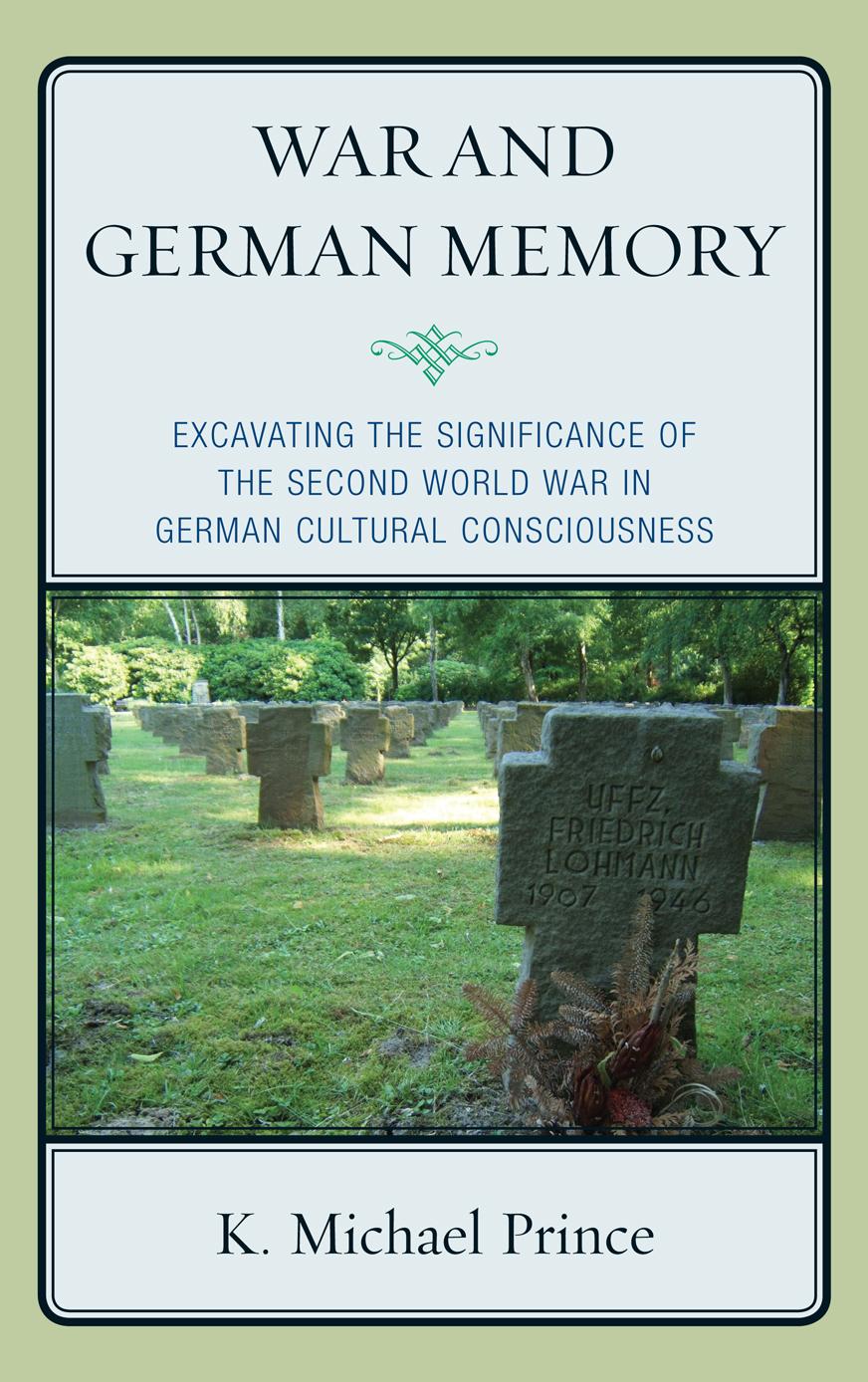
Germans often claim that "we have learned the lessons of our history." But what, precisely, are the lessons they have drawn from their Nazi-era past? What experiences from that time continue to hold significant meaning for Germans today, and how have those experiences shaped postwar German cultural identity? Though Germans have come to recognize the evils of Nazism, for them, its primary evil derived from the war it unleashed and the hardships, death, and destruction that the war wrought on the Germans themselves, and less from the losses and suffering it caused others.
Recent public discussion about the Allied bombing campaign against Germany, the expulsion of Germans from Eastern Europe, and other German experiences during and following the Second World War have revealed what some see as an emerging tendency among Germans to perceive themselves as much the victims of wartime acts as other peoples. Through a survey of postwar literature, film, and other popular media, as well as public commemorations and other means of memorializing and discussing the past, K. Michael Prince demonstrates that the theme of German suffering has been an abiding and even overriding element of postwar German historical memory and a chief component of German cultural identity. While academics have focused their attention on Nazism, atrocity and genocide, and while Germany's official ceremonies and other acts of public memory have been similarly directed, it was the wartime sufferings of average Germans that have remained at the core of German historical consciousness, influencing their attitudes toward war in general and shaping Germany's role in world affairs.
Recent public discussion about the Allied bombing campaign against Germany, the expulsion of Germans from Eastern Europe, and other German experiences during and following the Second World War have revealed what some see as an emerging tendency among Germans to perceive themselves as much the victims of wartime acts as other peoples. Through a survey of postwar literature, film, and other popular media, as well as public commemorations and other means of memorializing and discussing the past, K. Michael Prince demonstrates that the theme of German suffering has been an abiding and even overriding element of postwar German historical memory and a chief component of German cultural identity. While academics have focused their attention on Nazism, atrocity and genocide, and while Germany's official ceremonies and other acts of public memory have been similarly directed, it was the wartime sufferings of average Germans that have remained at the core of German historical consciousness, influencing their attitudes toward war in general and shaping Germany's role in world affairs.
Paga facilmente con carta, Klarna, Apple Pay o Google Pay. Non sei soddisfatto? Hai sempre 14 giorni per il rimborso. Leggi di più nei nostri termini. Per qualsiasi domanda, scrivici a hello@memmo.org.
Memmo rende lo studio più facile, ovunque tu sia nel mondo. Qui trovi i tuoi libri di testo e strumenti di studio intelligenti, tutto in un unico posto: riassunti, quiz, podcast e flashcard. E poi c'è Ted, il tuo compagno di studio che risponde a ogni tua domanda. Oltre 50.000 studenti studiano già qui: è stato creato per aiutarti a imparare più velocemente e a stressarti meno.