
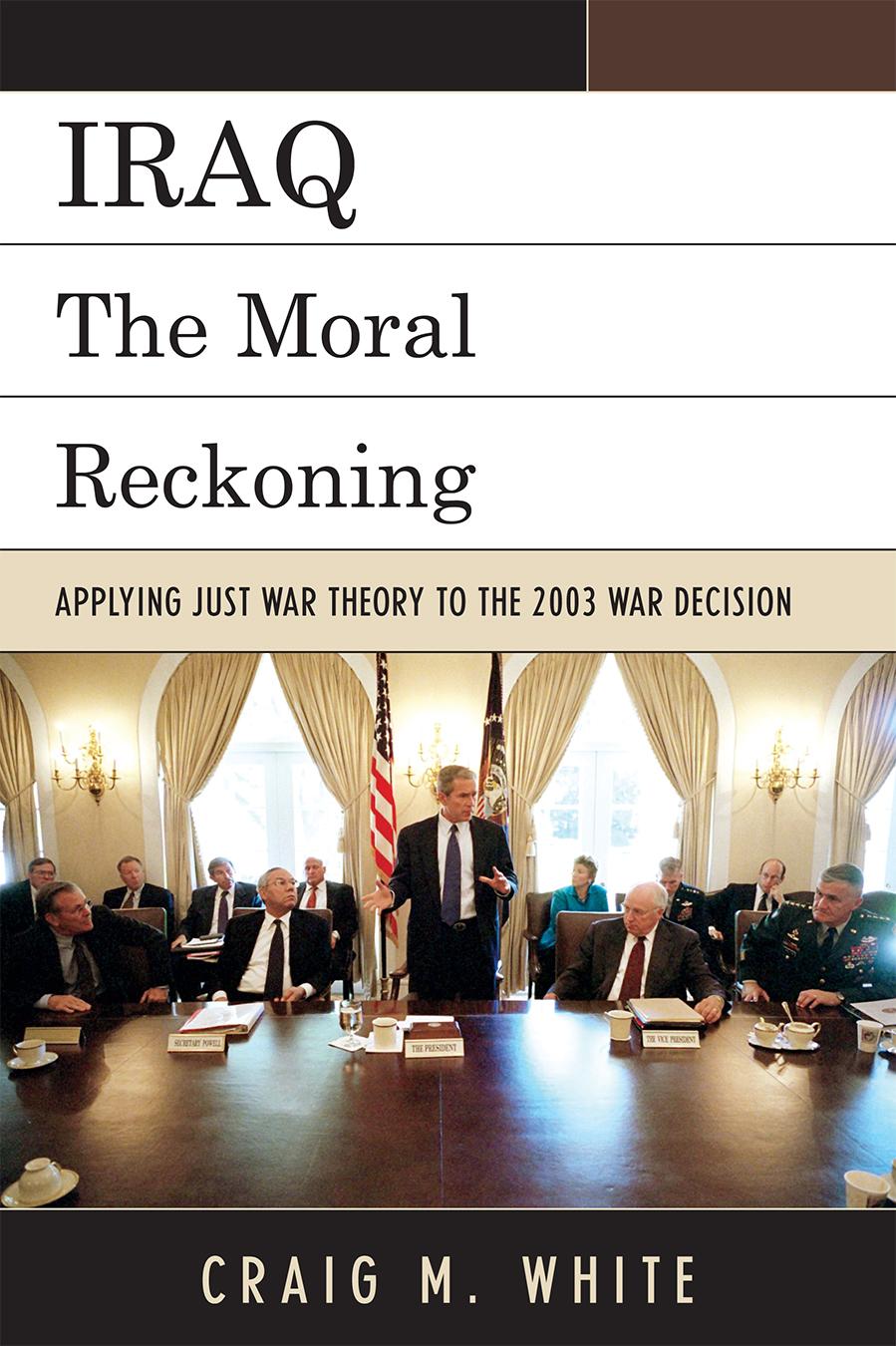
Iraq: The Moral Reckoning applies classic just war theory to the U.S. decision to go to war in 2003. That theory, which evolved over several millennia, is a simple, profound tool for evaluating the rightness and wisdom of starting a war. The Bush administration and its supporters referred directly and indirectly to the theory in making a pro-war case to the world. The theory provides three core moral criteria for a just war: sovereign authority, just cause, and right intention (which includes an aim of peace). It adds three practical criteria: proportionality of ends, last resort, and reasonable chance of success. For a just war, each criterion should be substantially met. Since war is destructive and each country is presumed to have the right to live in peace, the evidence in favor of war must be clearly stronger than evidence against it.
For each criterion, Iraq: The Moral Reckoning painstakingly weighs Bush administration statements, or those of its supporters, against evidence available at the time. A wide range of viewpoints and evidence is considered, and contrary arguments are refuted. One full chapter is given to neoconservative arguments on just war theory and its application from prominent war supporters. Each criterion, except sovereign authority, is shown not to have been met. The book concludes with a discussion of the implications of an unjust war for the United States and the world.
The intensive weighing of each criterion against the facts and the balanced approach make the book unique. By demonstrating a comprehensive application of the theory to one war, it not only sets a new standard for evaluating the 2003 Iraq war, but also shows how present and future wars can be better evaluated in moral and practical terms, based on knowledge available at the time.
For each criterion, Iraq: The Moral Reckoning painstakingly weighs Bush administration statements, or those of its supporters, against evidence available at the time. A wide range of viewpoints and evidence is considered, and contrary arguments are refuted. One full chapter is given to neoconservative arguments on just war theory and its application from prominent war supporters. Each criterion, except sovereign authority, is shown not to have been met. The book concludes with a discussion of the implications of an unjust war for the United States and the world.
The intensive weighing of each criterion against the facts and the balanced approach make the book unique. By demonstrating a comprehensive application of the theory to one war, it not only sets a new standard for evaluating the 2003 Iraq war, but also shows how present and future wars can be better evaluated in moral and practical terms, based on knowledge available at the time.
Paga facilmente con carta, Klarna, Apple Pay o Google Pay. Non sei soddisfatto? Hai sempre 14 giorni per il rimborso. Leggi di più nei nostri termini. Per qualsiasi domanda, scrivici a hello@memmo.org.
Memmo rende lo studio più facile, ovunque tu sia nel mondo. Qui trovi i tuoi libri di testo e strumenti di studio intelligenti, tutto in un unico posto: riassunti, quiz, podcast e flashcard. E poi c'è Ted, il tuo compagno di studio che risponde a ogni tua domanda. Oltre 50.000 studenti studiano già qui: è stato creato per aiutarti a imparare più velocemente e a stressarti meno.