
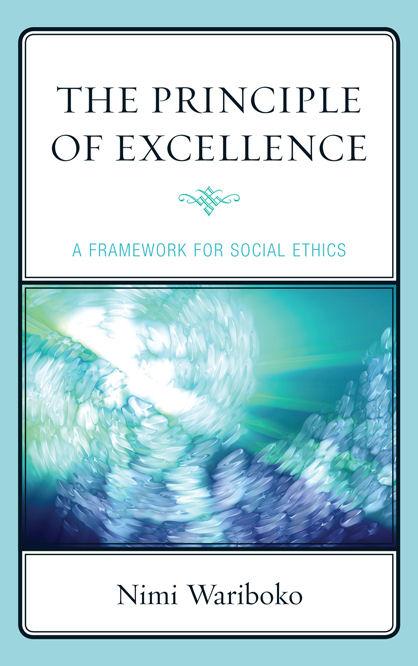
This book disturbs the "normal" and depoliticized meaning of virtue through a genealogical reading of the debates, conceptual struggles, and ambiguities that were cleansed by virtue ethicists to produce today's conception of excellence. This approach provides the narrative raw material to craft a new meaning of excellence as a creative actualization of the potentials for human prosperity. The fundamental question asked and addressed about excellence is how communities can use excellence as the organizing principle for political and economic development. The author explores how large-scale modern societies can be better administered in environments characterized by contingency and possibilities. At the very least, excellence in societal governance practice should involve the creation of possibilities for community and participation by all its members so that their potentialities can be drawn out for the common good.
The book also explores the connection between excellence and creativity. If excellence is the drive toward actualization of potentialities for all human beings, it follows that human creativity is an adequate form for that movement. The author not only attempts to trace and clarify the mystique of the creative functions of persons and social groups, but also shows how the creative functions of human life can express the unconditional eros of divine creativity. In the process of doing all this, the author offers a fresh and provocative perspective of philosophy and theology's oldest concerns: the good, truth, beauty, justice, love, hope, and the eschatological New Creation.
The book also explores the connection between excellence and creativity. If excellence is the drive toward actualization of potentialities for all human beings, it follows that human creativity is an adequate form for that movement. The author not only attempts to trace and clarify the mystique of the creative functions of persons and social groups, but also shows how the creative functions of human life can express the unconditional eros of divine creativity. In the process of doing all this, the author offers a fresh and provocative perspective of philosophy and theology's oldest concerns: the good, truth, beauty, justice, love, hope, and the eschatological New Creation.
Paga facilmente con carta, Klarna, Apple Pay o Google Pay. Non sei soddisfatto? Hai sempre 14 giorni per il rimborso. Leggi di più nei nostri termini. Per qualsiasi domanda, scrivici a hello@memmo.org.
Memmo rende lo studio più facile, ovunque tu sia nel mondo. Qui trovi i tuoi libri di testo e strumenti di studio intelligenti, tutto in un unico posto: riassunti, quiz, podcast e flashcard. E poi c'è Ted, il tuo compagno di studio che risponde a ogni tua domanda. Oltre 50.000 studenti studiano già qui: è stato creato per aiutarti a imparare più velocemente e a stressarti meno.