
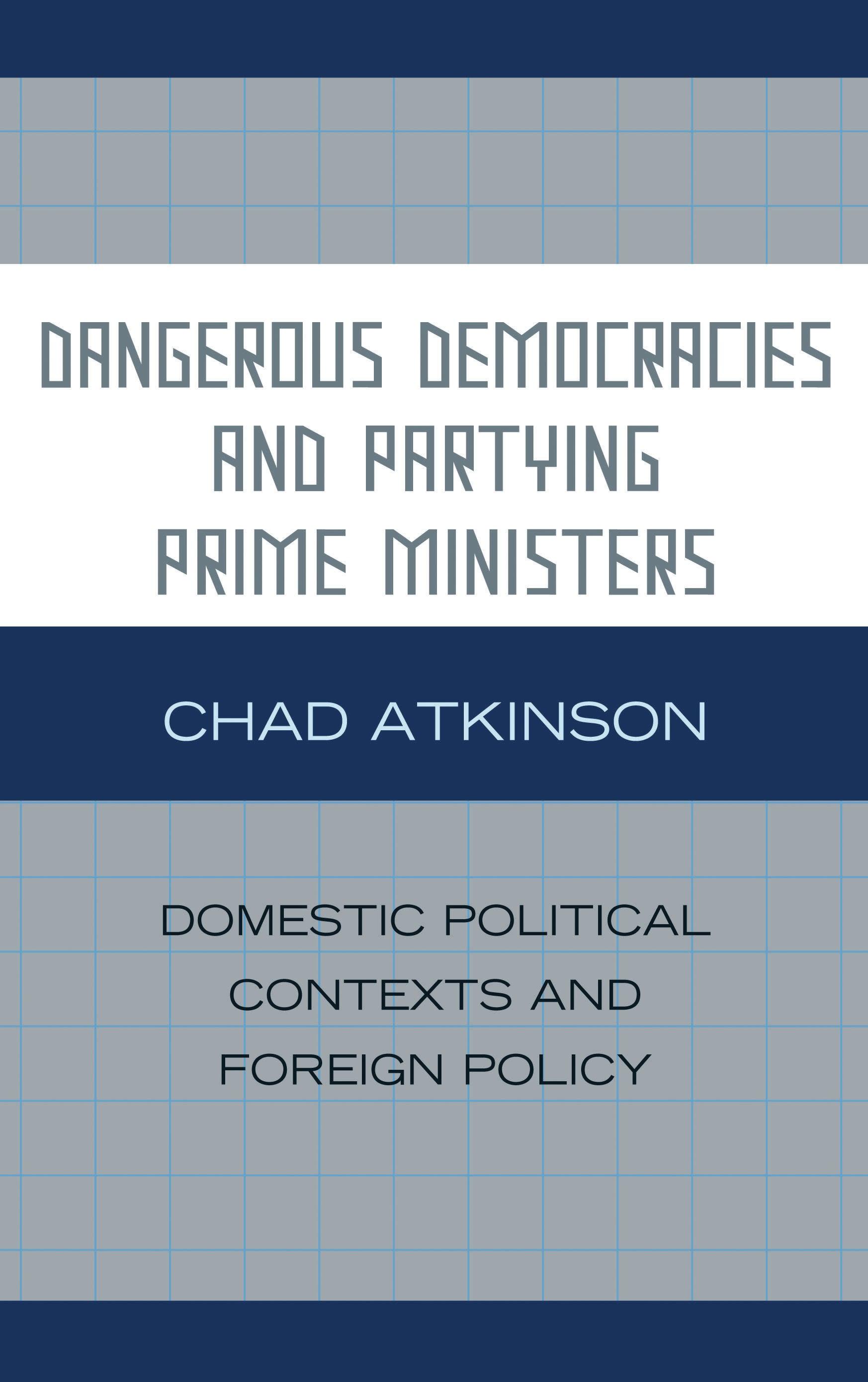
This book examines why elected leaders pursue foreign policies that are remarkably distant from their proposed policies. To investigate this pattern this book develops a model of how the foreign policy preferences of the executive and the government in the legislature interact over the electoral cycle to affect democratic leaders' foreign policy choices. The executive is cross-pressured when the foreign policy that the legislature wants is not the same policy that the executive's constituents want. The executive must choose a policy that balances the conflicting demands of remaining in a productive government (pleasing the legislature) and obtaining votes in the next election (pleasing constituents).
Getting votes is clearly more important when elections are near, so democratic leaders weigh these competing demands differently over the course of the electoral cycle. This is what can lead to trends in foreign policy: the executive first chooses policies that mollify the legislature and later reverts to the policies that please his or her constituents when elections draw near. The book pursues these ideas with a game theoretic model and a set of statistical assessment of multiple cases (Israel and the Palestinians, the US and the USSR, and others) to provide a rigorous and logical framework to the argument. The central findings are that democratic institutions and processes (i.e. the domestic context) have a predictable influence on foreign policy choices over time; some configurations of preferences, electoral systems, and election timing are not conducive to peace. Rather than the diversionary hypothesis that conflict is likely before an election, as a boost to executive popularity would be particularly valuable at that moment, a more nuanced finding is reported.
Getting votes is clearly more important when elections are near, so democratic leaders weigh these competing demands differently over the course of the electoral cycle. This is what can lead to trends in foreign policy: the executive first chooses policies that mollify the legislature and later reverts to the policies that please his or her constituents when elections draw near. The book pursues these ideas with a game theoretic model and a set of statistical assessment of multiple cases (Israel and the Palestinians, the US and the USSR, and others) to provide a rigorous and logical framework to the argument. The central findings are that democratic institutions and processes (i.e. the domestic context) have a predictable influence on foreign policy choices over time; some configurations of preferences, electoral systems, and election timing are not conducive to peace. Rather than the diversionary hypothesis that conflict is likely before an election, as a boost to executive popularity would be particularly valuable at that moment, a more nuanced finding is reported.
Pagine: 133
Categoria: Statsvetenskap & Politik
e-ISBN: 9780739133613
Peso di spedizione: 1.2 kg
Spedito in: 1-2 giorni
Paga facilmente con carta, Klarna, Apple Pay o Google Pay. Non sei soddisfatto? Hai sempre 14 giorni per il rimborso. Leggi di più nei nostri termini. Per qualsiasi domanda, scrivici a hello@memmo.org.
Memmo rende lo studio più facile, ovunque tu sia nel mondo. Qui trovi i tuoi libri di testo e strumenti di studio intelligenti, tutto in un unico posto: riassunti, quiz, podcast e flashcard. E poi c'è Ted, il tuo compagno di studio che risponde a ogni tua domanda. Oltre 50.000 studenti studiano già qui: è stato creato per aiutarti a imparare più velocemente e a stressarti meno.