
Since the publication of John Rawls's A Theory of Justice in 1971, political philosophers in the English-speaking world have shared a broad consensus that social justice should be understood as a matter of fair distribution of social resources. Many contemporary political philosophers disagree sharply about what would count as a fair distribution of social resources, yet agree that if social resources were to be distributed fairly, then social justice would exist.
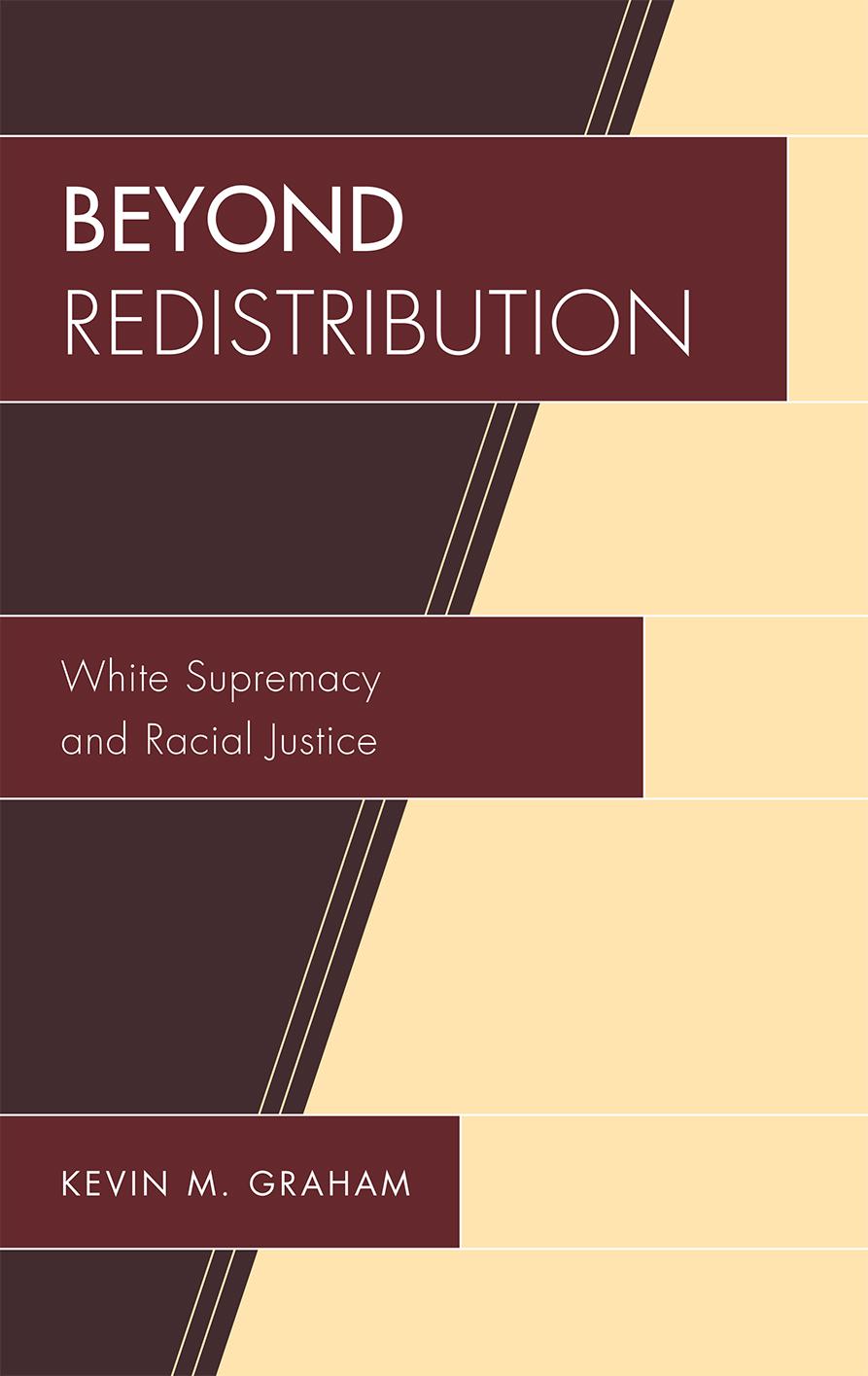
In Beyond Redistribution, Kevin M. Graham argues that political theories operating on a distributive understanding of social justice fail to address adequately certain forms of social injustice related to race. Graham argues that political philosophy could understand race-related injustice more fully by shifting its focus away from distributive inequities between whites and nonwhites and toward white supremacy, the unfair power relationships that allow whites to dominate and oppress nonwhites. Beyond Redistribution offers a careful, detailed critique of the positions of leading contemporary liberal political philosophers on race-related issues of social justice. Graham's analysis of the racial politics of police violence and public education in Omaha, Nebraska, vividly illustrates why the search for racial justice in the United States must move beyond redistribution.
In Beyond Redistribution, Kevin M. Graham argues that political theories operating on a distributive understanding of social justice fail to address adequately certain forms of social injustice related to race. Graham argues that political philosophy could understand race-related injustice more fully by shifting its focus away from distributive inequities between whites and nonwhites and toward white supremacy, the unfair power relationships that allow whites to dominate and oppress nonwhites. Beyond Redistribution offers a careful, detailed critique of the positions of leading contemporary liberal political philosophers on race-related issues of social justice. Graham's analysis of the racial politics of police violence and public education in Omaha, Nebraska, vividly illustrates why the search for racial justice in the United States must move beyond redistribution.
Paga facilmente con carta, Klarna, Apple Pay o Google Pay. Non sei soddisfatto? Hai sempre 14 giorni per il rimborso. Leggi di più nei nostri termini. Per qualsiasi domanda, scrivici a hello@memmo.org.
Memmo rende lo studio più facile, ovunque tu sia nel mondo. Qui trovi i tuoi libri di testo e strumenti di studio intelligenti, tutto in un unico posto: riassunti, quiz, podcast e flashcard. E poi c'è Ted, il tuo compagno di studio che risponde a ogni tua domanda. Oltre 50.000 studenti studiano già qui: è stato creato per aiutarti a imparare più velocemente e a stressarti meno.