
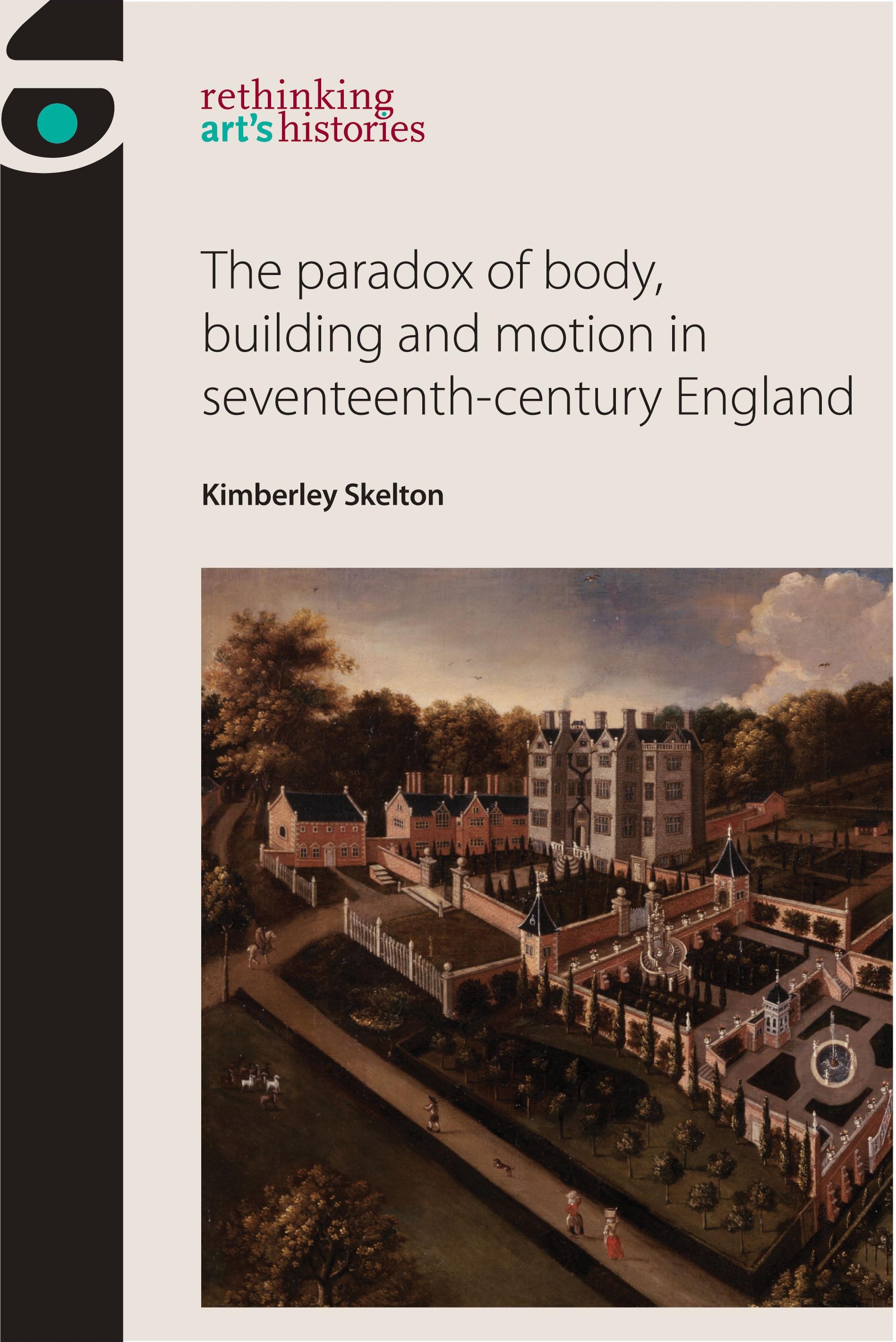
This book examines how seventeenth-century English architectural theorists and designers rethought the domestic built environment in terms of mobility, as motion became a dominant mode of articulating the world across discourses encompassing philosophy, political theory, poetry, and geography. From mid-century, the house and estate that had evoked staccato rhythms became triggers for mental and physical motion – evoking travel beyond England’s shores, displaying vistas, and showcasing changeable wall surfaces. Simultaneously, philosophers and other authors argued for the first time that, paradoxically, the blur of motion immobilised an inherently restless viewer into social predictability and so stability. Alternately feared and praised early in the century for its unsettling unpredictability, motion became the most certain way of comprehending social interactions, language, time, and the buildings that filtered human experience. At the heart of this narrative is the malleable sensory viewer, tacitly assumed in early modern architectural theory and history yet whose inescapable responsiveness to surrounding stimuli guaranteed a dependable world from the seventeenth century.
Paga facilmente con carta, Klarna, Apple Pay o Google Pay. Non sei soddisfatto? Hai sempre 14 giorni per il rimborso. Leggi di più nei nostri termini. Per qualsiasi domanda, scrivici a hello@memmo.org.
Memmo rende lo studio più facile, ovunque tu sia nel mondo. Qui trovi i tuoi libri di testo e strumenti di studio intelligenti, tutto in un unico posto: riassunti, quiz, podcast e flashcard. E poi c'è Ted, il tuo compagno di studio che risponde a ogni tua domanda. Oltre 50.000 studenti studiano già qui: è stato creato per aiutarti a imparare più velocemente e a stressarti meno.
Potrebbe interessarti anche
Acquista il libro0