
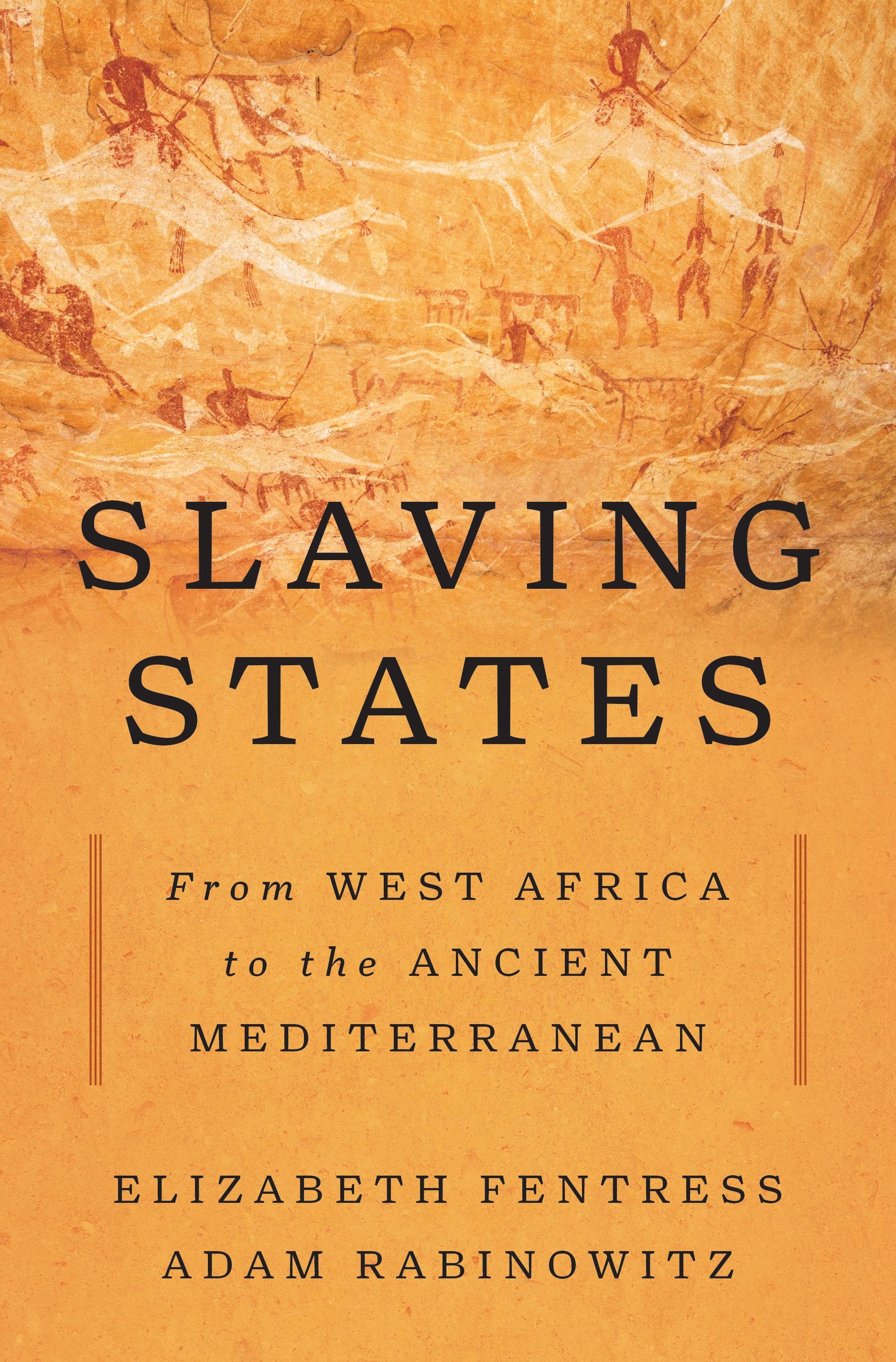
A pathbreaking new perspective on the ways ancient societies were shaped and transformed by slave trading
The growing economies of ancient Greece and Rome created an ever-increasing demand for enslaved labor, which was supplied by states on the peripheries of their empires. In Slaving States, archaeologists Elizabeth Fentress and Adam Rabinowitz examine how violent bands of warriors in the outlying regions of Gaul, Scythia, and the Fezzan (part of modern-day Libya) gradually became states that specialized in selling humans to the slave economies of Greece and Rome. They trace a series of transformations—of people into objects that could be bought and sold, of warrior bands into state-level societies, and of opportunistic captive-taking into slaving economies.
Fentress and Rabinowitz use as a model the West African state of Dahomey, whose development into a slaving state between the seventeenth and nineteenth centuries is, unlike that of their ancient counterparts, well documented. Drawing on textual and archaeological evidence, they show that the slaving zones of early modern West Africa and of antiquity have much in common, rooted in the structure of slaving itself. The evolution of the ancient warriors of Gaul, Scythia, and the Fezzan from head-takers to slave merchants may have taken different paths, but it is clearly written in their histories. With Slaving States, Fentress and Rabinowitz offer an entirely new perspective on ancient slavery. By exploring the supply side of the market for enslaved people, they show that that slavery transforms the society that supplies enslaved people as much as it transforms the society that uses them.
Paga facilmente con carta, Klarna, Apple Pay o Google Pay. Non sei soddisfatto? Hai sempre 14 giorni per il rimborso. Leggi di più nei nostri termini. Per qualsiasi domanda, scrivici a hello@memmo.org.
Memmo rende lo studio più facile, ovunque tu sia nel mondo. Qui trovi i tuoi libri di testo e strumenti di studio intelligenti, tutto in un unico posto: riassunti, quiz, podcast e flashcard. E poi c'è Ted, il tuo compagno di studio che risponde a ogni tua domanda. Oltre 50.000 studenti studiano già qui: è stato creato per aiutarti a imparare più velocemente e a stressarti meno.