
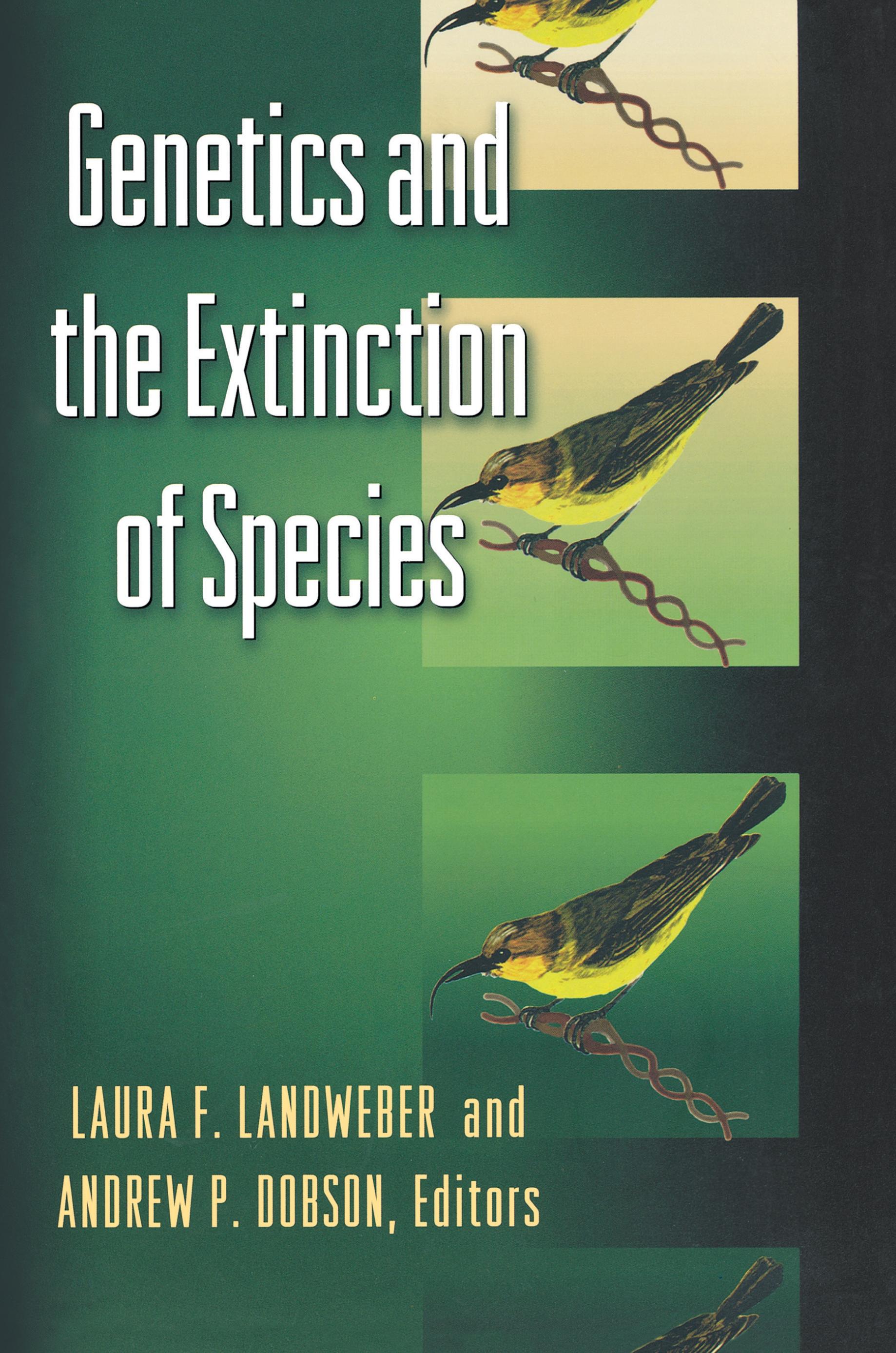
Darwin's Origin of Species and Dobzhansky's Genetics and the Origin of Species have been the cornerstones of modern evolutionary and population genetic theory for the past hundred years, but in the twenty-first century, biologists will face graver problems of extinction. In this collection, a team of leading biologists demonstrates why the burgeoning field of conservation biology must continue to rely on the insights of population genetics if we are to preserve the diversity of living species. Technological and theoretical developments throughout the 1990s have allowed for important new insights into how populations have evolved in response to past selection pressures, while providing a broad new understanding of the genetic structure of natural populations. The authors explore these advances and argue for the applicability of new genetic methods in conservation biology.
The volume covers such topics as the reasons for extinctions, the best ways to measure biodiversity, and the benefits and drawbacks of policies like captive breeding. Genetics and the Extinction of Species is a rich source of information for biologists and policymakers who want to learn more about the host of tools, theories, and approaches available for conserving biodiversity.
In addition to the editors, the contributors to the volume are William Amos, Rebecca Cann, Kathryn Rodriguez-Clark, Leslie Douglas, Leonard Freed, Paul Harvey, Kent Holsinger, Russell Lande, and Helen Steers.
Paga facilmente con carta, Klarna, Apple Pay o Google Pay. Non sei soddisfatto? Hai sempre 14 giorni per il rimborso. Leggi di più nei nostri termini. Per qualsiasi domanda, scrivici a hello@memmo.org.
Memmo rende lo studio più facile, ovunque tu sia nel mondo. Qui trovi i tuoi libri di testo e strumenti di studio intelligenti, tutto in un unico posto: riassunti, quiz, podcast e flashcard. E poi c'è Ted, il tuo compagno di studio che risponde a ogni tua domanda. Oltre 50.000 studenti studiano già qui: è stato creato per aiutarti a imparare più velocemente e a stressarti meno.