
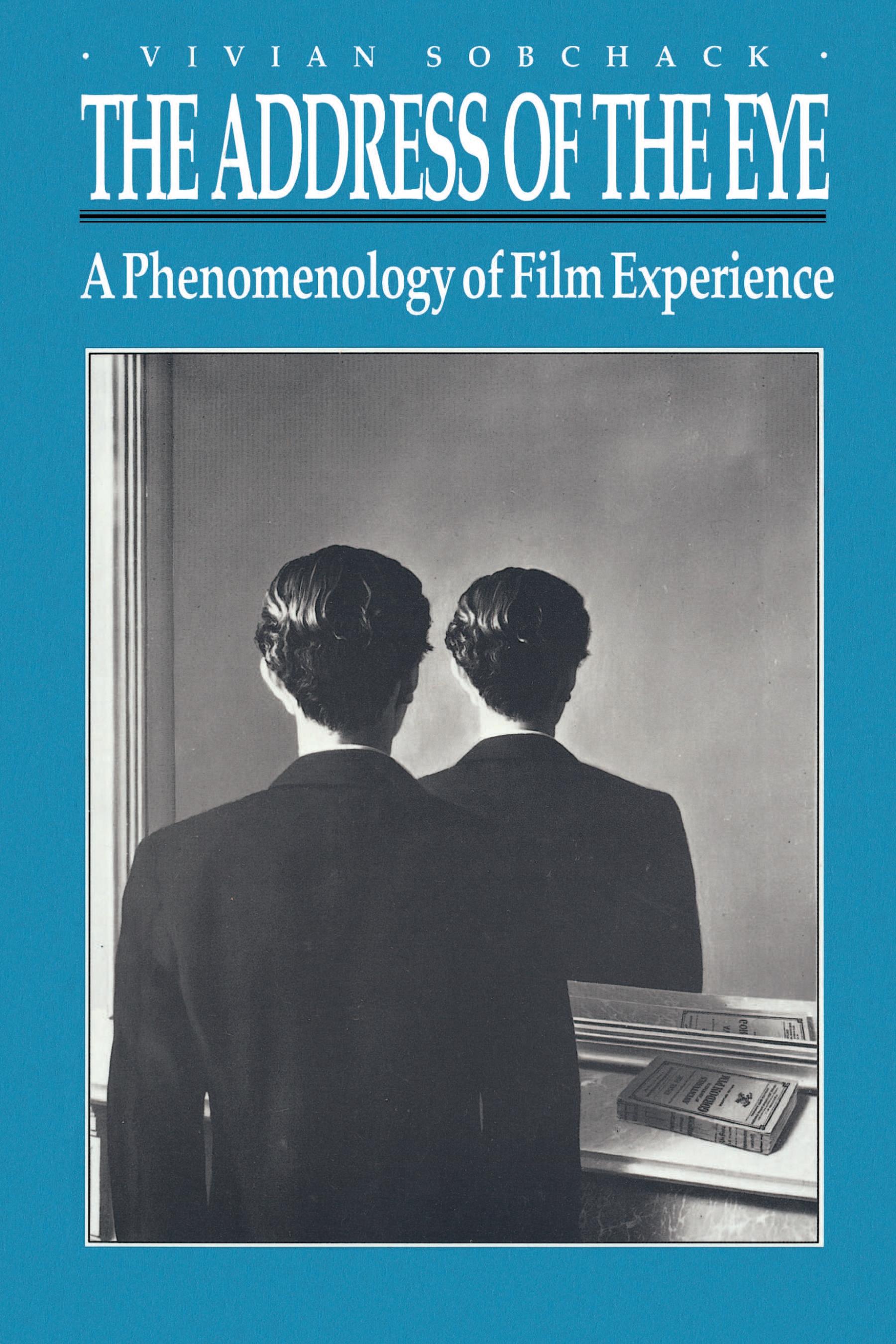
Cinema is a sensuous object, but in our presence it becomes also a sensing, sensual, sense-making subject. Thus argues Vivian Sobchack as she challenges basic assumptions of current film theory that reduce film to an object of vision and the spectator to a victim of a deterministic cinematic apparatus. Maintaining that these premises ignore the material and cultural-historical situations of both the spectator and the film, the author makes the radical proposal that the cinematic experience depends on two "viewers" viewing: the spectator and the film, each existing as both subject and object of vision. Drawing on existential and semiotic phenomenology, and particularly on the work of Merleau-Ponty, Sobchack shows how the film experience provides empirical insight into the reversible, dialectical, and signifying nature of that embodied vision we each live daily as both "mine" and "another's." In this attempt to account for cinematic intelligibility and signification, the author explores the possibility of human choice and expressive freedom within the bounds of history and culture.
Paga facilmente con carta, Klarna, Apple Pay o Google Pay. Non sei soddisfatto? Hai sempre 14 giorni per il rimborso. Leggi di più nei nostri termini. Per qualsiasi domanda, scrivici a hello@memmo.org.
Memmo rende lo studio più facile, ovunque tu sia nel mondo. Qui trovi i tuoi libri di testo e strumenti di studio intelligenti, tutto in un unico posto: riassunti, quiz, podcast e flashcard. E poi c'è Ted, il tuo compagno di studio che risponde a ogni tua domanda. Oltre 50.000 studenti studiano già qui: è stato creato per aiutarti a imparare più velocemente e a stressarti meno.