
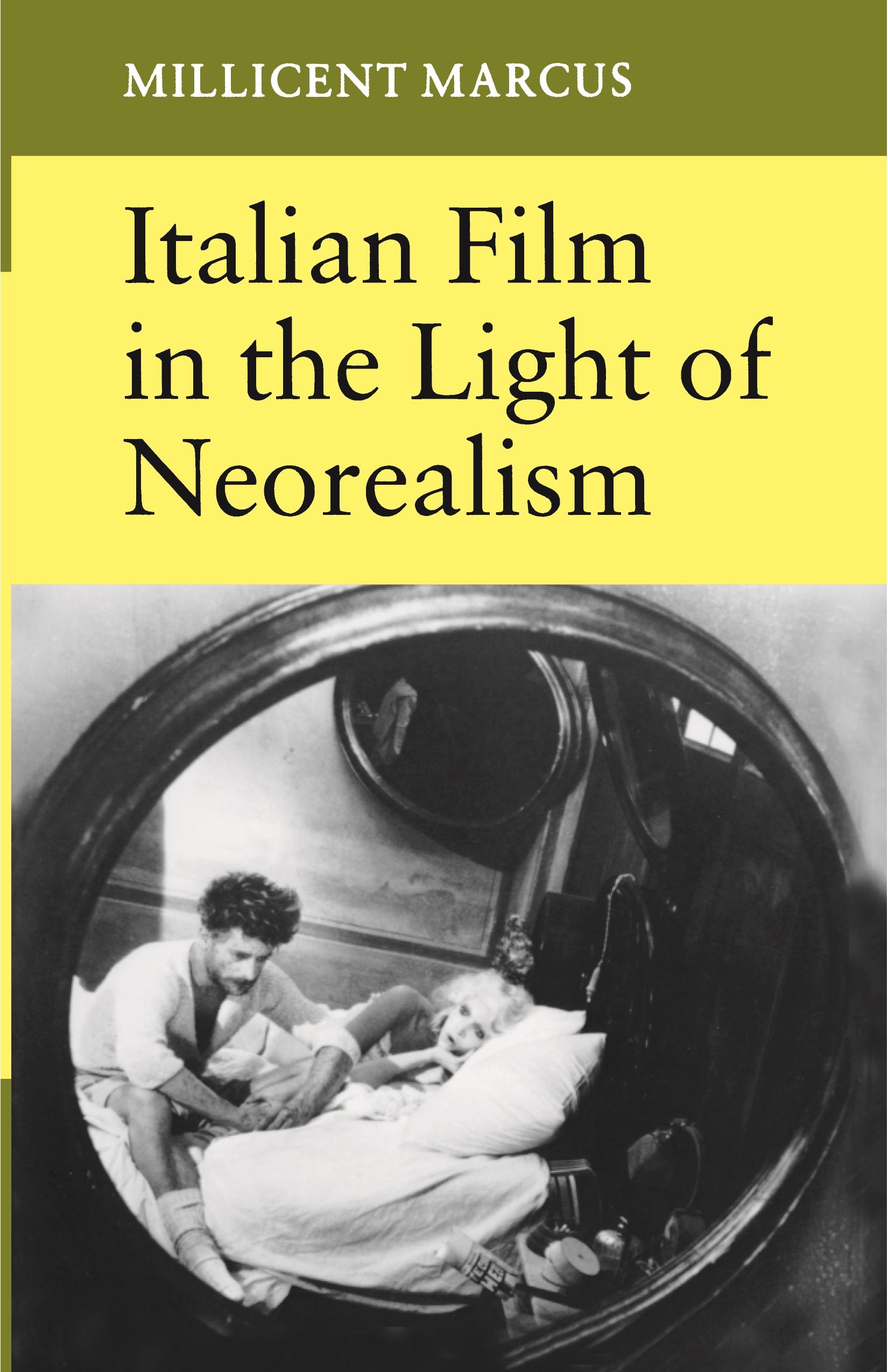
The movement known as neorealism lasted seven years, generated only twenty-one films, failed at the box office, and fell short of its didactic and aesthetic aspirations. Yet it exerted such a profound influence on Italian cinema that all the best postwar directors had to come to terms with it, whether in seeming imitation (the early Olmi), in commercial exploitation (the middle Comencini) or in ostensible rejection (the recent Tavianis). Despite the reactionary pressures of the marketplace and the highly personalized visions of Fellini, Antonioni. And Visconti, Italian cinema has maintained its moral commitment to use the medium in socially responsible ways--if not to change the world, as the first neorealists hoped, then at least to move filmgoers to face the pressing economic, political, and human problems in their midst. From Rossellini's Open City (1945) to the Taviani brothers' Night of the Shooting Stars (1982). The author does close readings of seventeen films that tell the story of neorealism's evolving influence on Italian postwar cinematic expression.
Other films discussed are De Sica's Bicycle Thief and Umberto D. De Santis's Bitter Rice, Comencini's Bread, Love, and Fantasy, Fellini's La strada, Visconti's Senso, Antonioni's Red Desert, Olmi's Il Posto, Germi's Seduced and Abandoned, Pasolini's Teorema, Petri's Investigation of a Citizen above Suspicion, Bertolucci's The Conformist, Rosi's Christ Stopped at Eboli, and Wertmuller's Love and Anarchy, Scola's We All Loved Each Other So Much provides the occasion for the author's own retrospective consideration of how Italian cinema has fulfilled, or disappointed, the promise of neorealism.
Paga facilmente con carta, Klarna, Apple Pay o Google Pay. Non sei soddisfatto? Hai sempre 14 giorni per il rimborso. Leggi di più nei nostri termini. Per qualsiasi domanda, scrivici a hello@memmo.org.
Memmo rende lo studio più facile, ovunque tu sia nel mondo. Qui trovi i tuoi libri di testo e strumenti di studio intelligenti, tutto in un unico posto: riassunti, quiz, podcast e flashcard. E poi c'è Ted, il tuo compagno di studio che risponde a ogni tua domanda. Oltre 50.000 studenti studiano già qui: è stato creato per aiutarti a imparare più velocemente e a stressarti meno.