
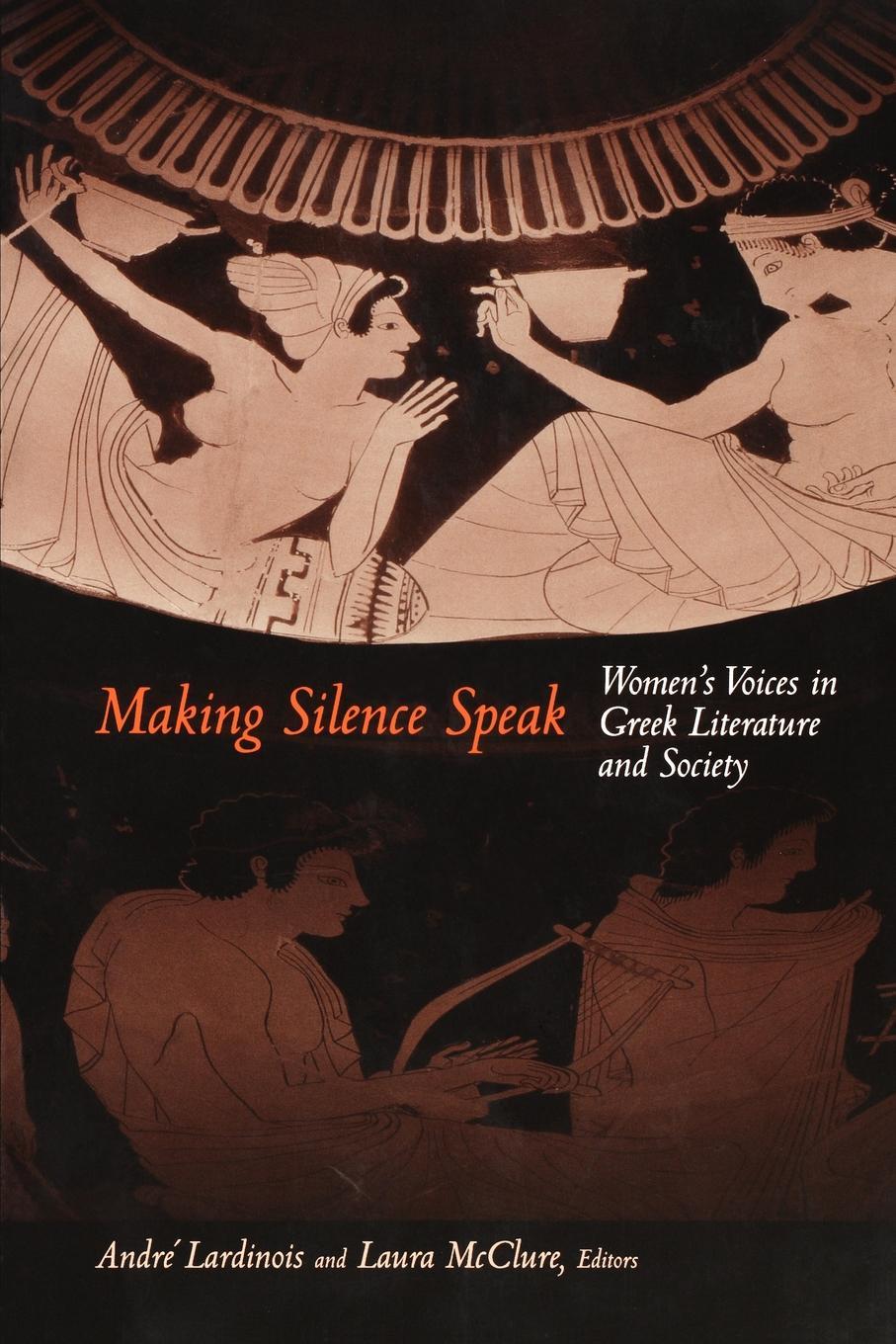
This collection attempts to recover the voices of women in antiquity from a variety of perspectives: how they spoke, where they could be heard, and how their speech was adopted in literature and public discourse. Rather than confirming the old model of binary oppositions in which women's speech was viewed as insignificant and subordinate to male discourse, these essays reveal a dynamic and potentially explosive interrelation between women's speech and the realm of literary production, religion, and oratory. The contributors use a variety of methodologies to mine a diverse array of sources, from Homeric epic to fictional letters of the second sophistic period and from actual letters written by women in Hellenistic Egypt to the poetry of Sappho.
Throughout, the term "voice" is used in its broadest definition. It includes not only the few remaining genuine women's voices but also the ways in which male authors render women's speech and the social assumptions such representations reflect and reinforce. These essays therefore explore how fictional female voices can serve to negotiate complex social, epistemological, and aesthetic issues. The contributors include Josine Blok, Raffaella Cribiore, Michael Gagarin, Mark Griffith, André Lardinois, Richard Martin, Lisa Maurizio, Laura McClure, D. M. O'Higgins, Patricia Rosenmeyer, Marilyn Skinner, Eva Stehle, and Nancy Worman.
Paga facilmente con carta, Klarna, Apple Pay o Google Pay. Non sei soddisfatto? Hai sempre 14 giorni per il rimborso. Leggi di più nei nostri termini. Per qualsiasi domanda, scrivici a hello@memmo.org.
Memmo rende lo studio più facile, ovunque tu sia nel mondo. Qui trovi i tuoi libri di testo e strumenti di studio intelligenti, tutto in un unico posto: riassunti, quiz, podcast e flashcard. E poi c'è Ted, il tuo compagno di studio che risponde a ogni tua domanda. Oltre 50.000 studenti studiano già qui: è stato creato per aiutarti a imparare più velocemente e a stressarti meno.