
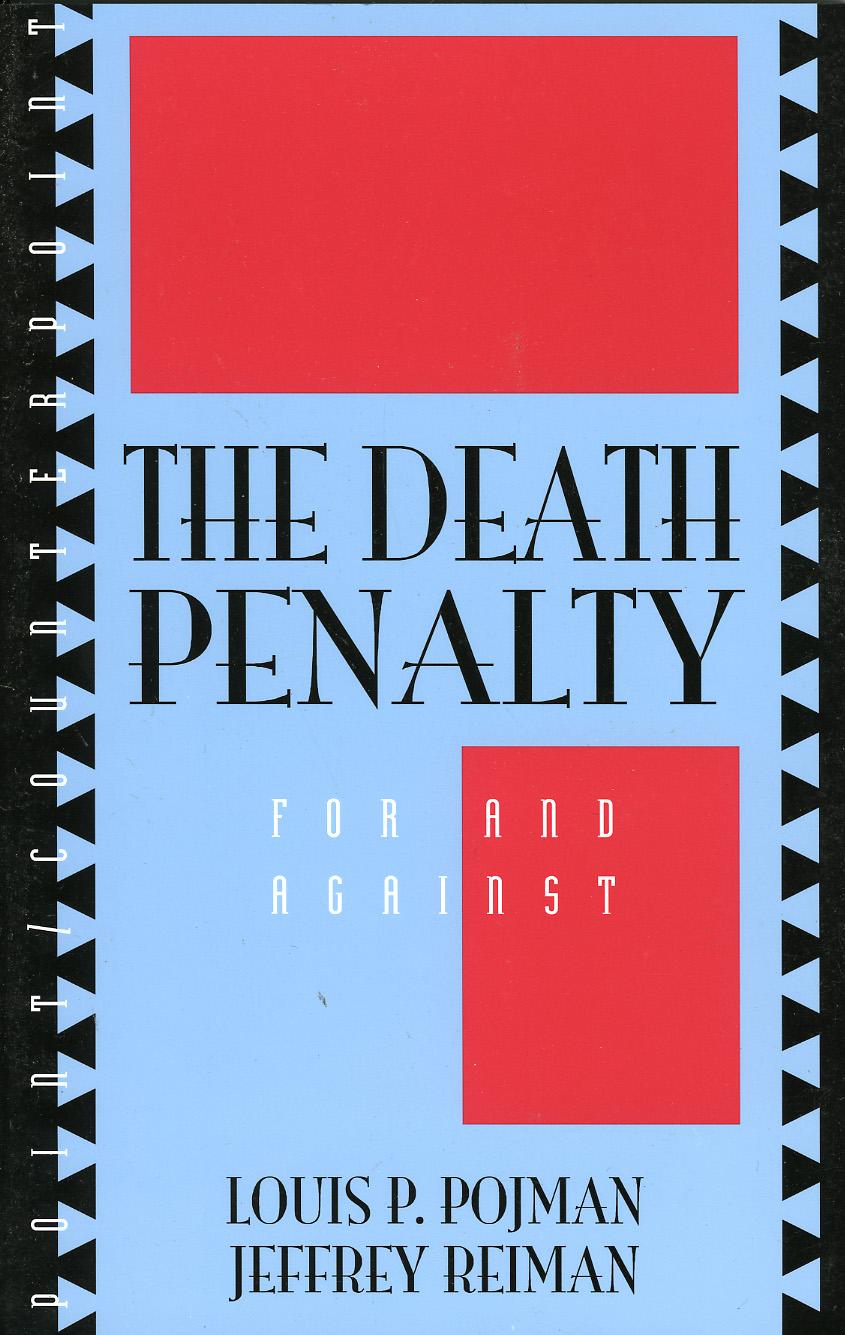
Two distinguished social and political philosophers take opposing positions in this highly engaging work. Louis P. Pojman justifies the practice of execution by appealing to the principle of retribution: we deserve to be rewarded and punished according to the virtue or viciousness of our actions. He asserts that the death penalty does deter some potential murderers and that we risk the lives of innocent people who might otherwise live if we refuse to execute those deserving that punishment.
Jeffrey Reiman argues that although the death penalty is a just punishment for murder, we are not morally obliged to execute murderers. Since we lack conclusive evidence that executing murderers is an effective deterrent and because we can foster the advance of civilization by demonstrating our intolerance for cruelty in our unwillingness to kill those who kill others, Reiman concludes that it is good in principle to avoid the death penalty, and bad in practice to impose it.
Jeffrey Reiman argues that although the death penalty is a just punishment for murder, we are not morally obliged to execute murderers. Since we lack conclusive evidence that executing murderers is an effective deterrent and because we can foster the advance of civilization by demonstrating our intolerance for cruelty in our unwillingness to kill those who kill others, Reiman concludes that it is good in principle to avoid the death penalty, and bad in practice to impose it.
Paga facilmente con carta, Klarna, Apple Pay o Google Pay. Non sei soddisfatto? Hai sempre 14 giorni per il rimborso. Leggi di più nei nostri termini. Per qualsiasi domanda, scrivici a hello@memmo.org.
Memmo rende lo studio più facile, ovunque tu sia nel mondo. Qui trovi i tuoi libri di testo e strumenti di studio intelligenti, tutto in un unico posto: riassunti, quiz, podcast e flashcard. E poi c'è Ted, il tuo compagno di studio che risponde a ogni tua domanda. Oltre 50.000 studenti studiano già qui: è stato creato per aiutarti a imparare più velocemente e a stressarti meno.