
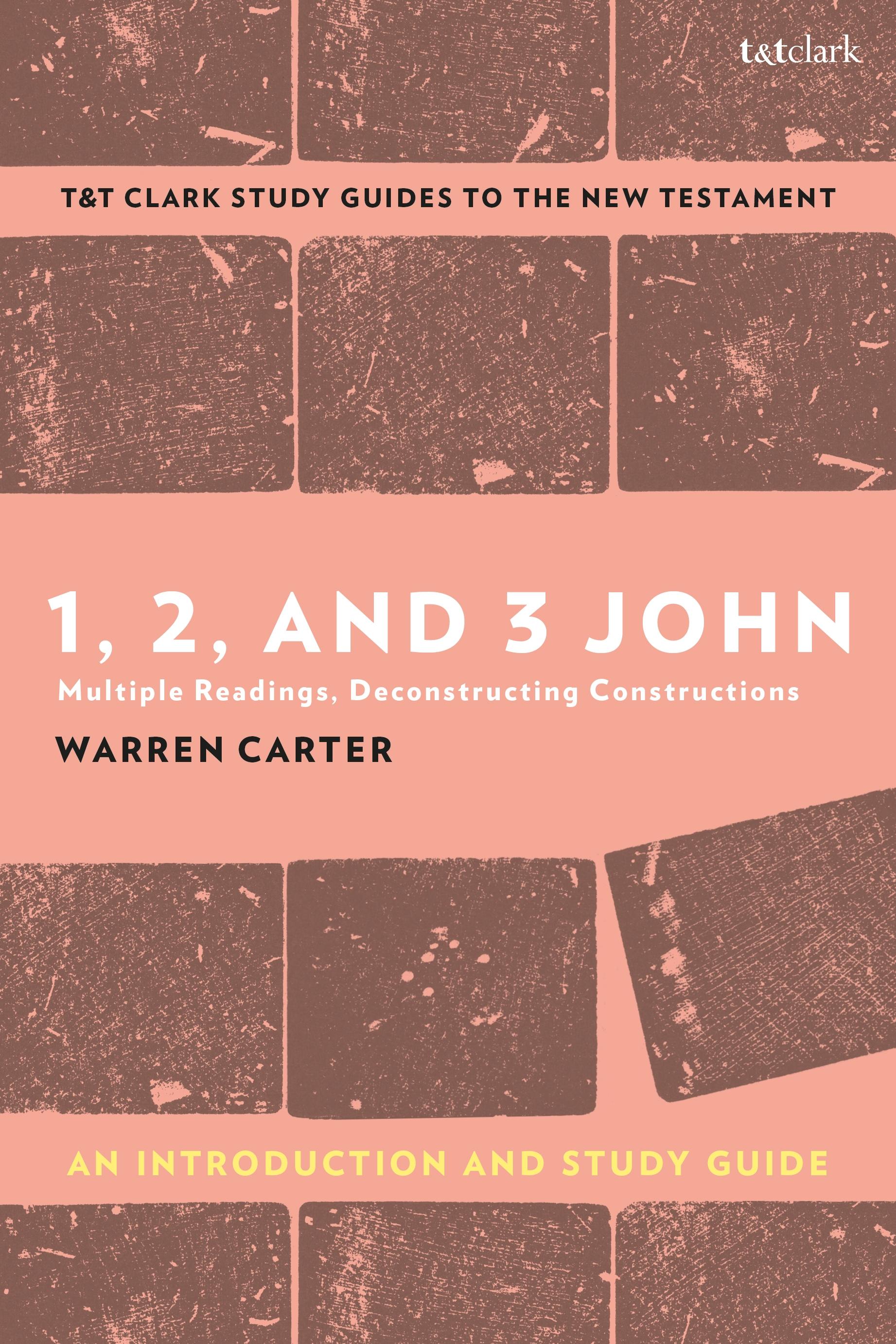
This insightful study engages the debates and interpretations of the brief and somewhat elusive writings known in the Christian canon as 1, 2, and 3 John. Chapter 1 identifies six unknowns about the origins of the three writings: authors, relationship to John's Gospel, order, date and location of the writings, and their audiences. Chapters 2 and 3 delineate the debate concerning the relationship of these writings to a purported “Johannine tradition” and “Johannine community” in which a schism is claimed to have occurred. An alternative view recognizes that while there are some connections with John's Gospel, it is more compelling to see the writings as independent rather than derivative, as internally not externally directed, as pastoral not polemical, and as schism-free.
Chapters 4-7 discuss important aspects of 1 John. Chapter 4 argues that its structure or organization is based on rhetorical and conceptual links among the writing's small units. Chapter 5 reads 1 John as a pastoral “in-house” writing, rather than a polemical attack on opponents. Chapter 6 identifies the genre of I John as not a letter or sermon but an epideictic speech that seeks to strengthen the identity, commitments, and practices of its believing recipients. Chapter 7 outlines theological understandings that underpin the writing's pastoral work.
Chapters 8 and 9 focus on 2 and 3 John as writings that provide two different approaches to itinerant teachers. The narrative fiction in 2 John presents the elder's warning and skepticism about itinerant teachers whereas the author of 3 John, by contrast, advocates reception and welcome for itinerant teachers.
Chapters 4-7 discuss important aspects of 1 John. Chapter 4 argues that its structure or organization is based on rhetorical and conceptual links among the writing's small units. Chapter 5 reads 1 John as a pastoral “in-house” writing, rather than a polemical attack on opponents. Chapter 6 identifies the genre of I John as not a letter or sermon but an epideictic speech that seeks to strengthen the identity, commitments, and practices of its believing recipients. Chapter 7 outlines theological understandings that underpin the writing's pastoral work.
Chapters 8 and 9 focus on 2 and 3 John as writings that provide two different approaches to itinerant teachers. The narrative fiction in 2 John presents the elder's warning and skepticism about itinerant teachers whereas the author of 3 John, by contrast, advocates reception and welcome for itinerant teachers.
Pagine: 144
Categoria: Religion & Teologi
e-ISBN: 9780567704238
Peso di spedizione: 1.2 kg
Spedito in: 1-2 giorni
Paga facilmente con carta, Klarna, Apple Pay o Google Pay. Non sei soddisfatto? Hai sempre 14 giorni per il rimborso. Leggi di più nei nostri termini. Per qualsiasi domanda, scrivici a hello@memmo.org.
Memmo rende lo studio più facile, ovunque tu sia nel mondo. Qui trovi i tuoi libri di testo e strumenti di studio intelligenti, tutto in un unico posto: riassunti, quiz, podcast e flashcard. E poi c'è Ted, il tuo compagno di studio che risponde a ogni tua domanda. Oltre 50.000 studenti studiano già qui: è stato creato per aiutarti a imparare più velocemente e a stressarti meno.