
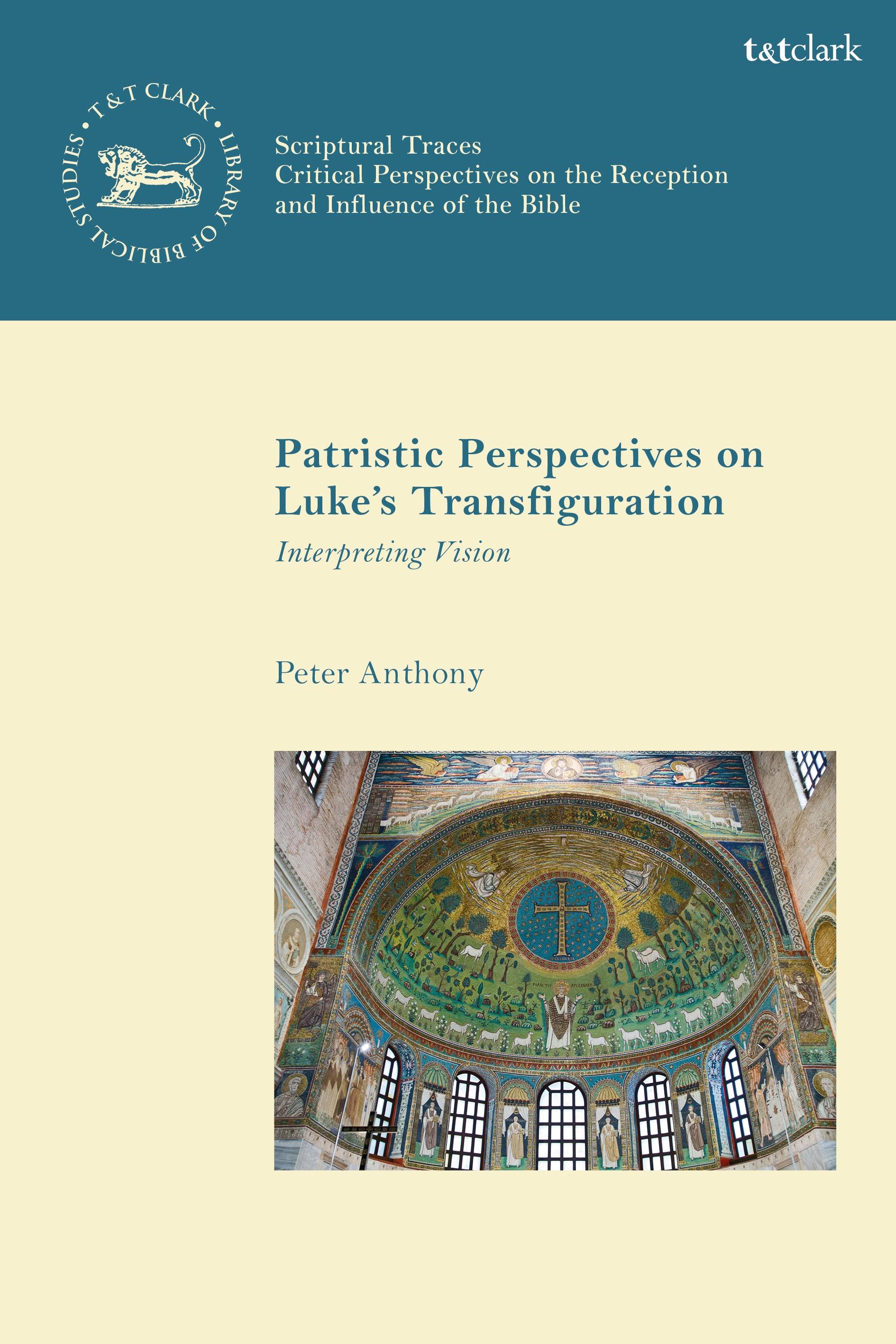
Peter Anthony explores how visionary elements in Luke's Gospel had a particular influence on early interpretation of the Transfiguration, by examining the rich hermeneutical traditions that emerged - particularly in the Latin West - as the Transfiguration was first depicted visually in art.
Anthony begins by comparing the visual and visionary culture of antiquity with that of the present, and their differing interpretations of the Transfiguration. He then examines the Transfiguration texts in the synoptic gospels and their interpretation in modern scholarship, and the reception of the Transfiguration in 2 Peter, the Apocalypse of Peter and the Acts of Peter, Tertullian and Origen. Proceeding to look at interpretations found in the Greek East and the Latin West, Anthony finally discusses the earliest visual depictions of the Transfiguration from the sixth century onward, drawn from a wealth of different art forms. Anthony concludes that early commentators' and artists' understanding of how we see and visualise, and therefore, how the Transfiguration was apprehended, is closer to that of the writers of the New Testament than many modern interpreters' is.
Anthony begins by comparing the visual and visionary culture of antiquity with that of the present, and their differing interpretations of the Transfiguration. He then examines the Transfiguration texts in the synoptic gospels and their interpretation in modern scholarship, and the reception of the Transfiguration in 2 Peter, the Apocalypse of Peter and the Acts of Peter, Tertullian and Origen. Proceeding to look at interpretations found in the Greek East and the Latin West, Anthony finally discusses the earliest visual depictions of the Transfiguration from the sixth century onward, drawn from a wealth of different art forms. Anthony concludes that early commentators' and artists' understanding of how we see and visualise, and therefore, how the Transfiguration was apprehended, is closer to that of the writers of the New Testament than many modern interpreters' is.
Paga facilmente con carta, Klarna, Apple Pay o Google Pay. Non sei soddisfatto? Hai sempre 14 giorni per il rimborso. Leggi di più nei nostri termini. Per qualsiasi domanda, scrivici a hello@memmo.org.
Memmo rende lo studio più facile, ovunque tu sia nel mondo. Qui trovi i tuoi libri di testo e strumenti di studio intelligenti, tutto in un unico posto: riassunti, quiz, podcast e flashcard. E poi c'è Ted, il tuo compagno di studio che risponde a ogni tua domanda. Oltre 50.000 studenti studiano già qui: è stato creato per aiutarti a imparare più velocemente e a stressarti meno.