
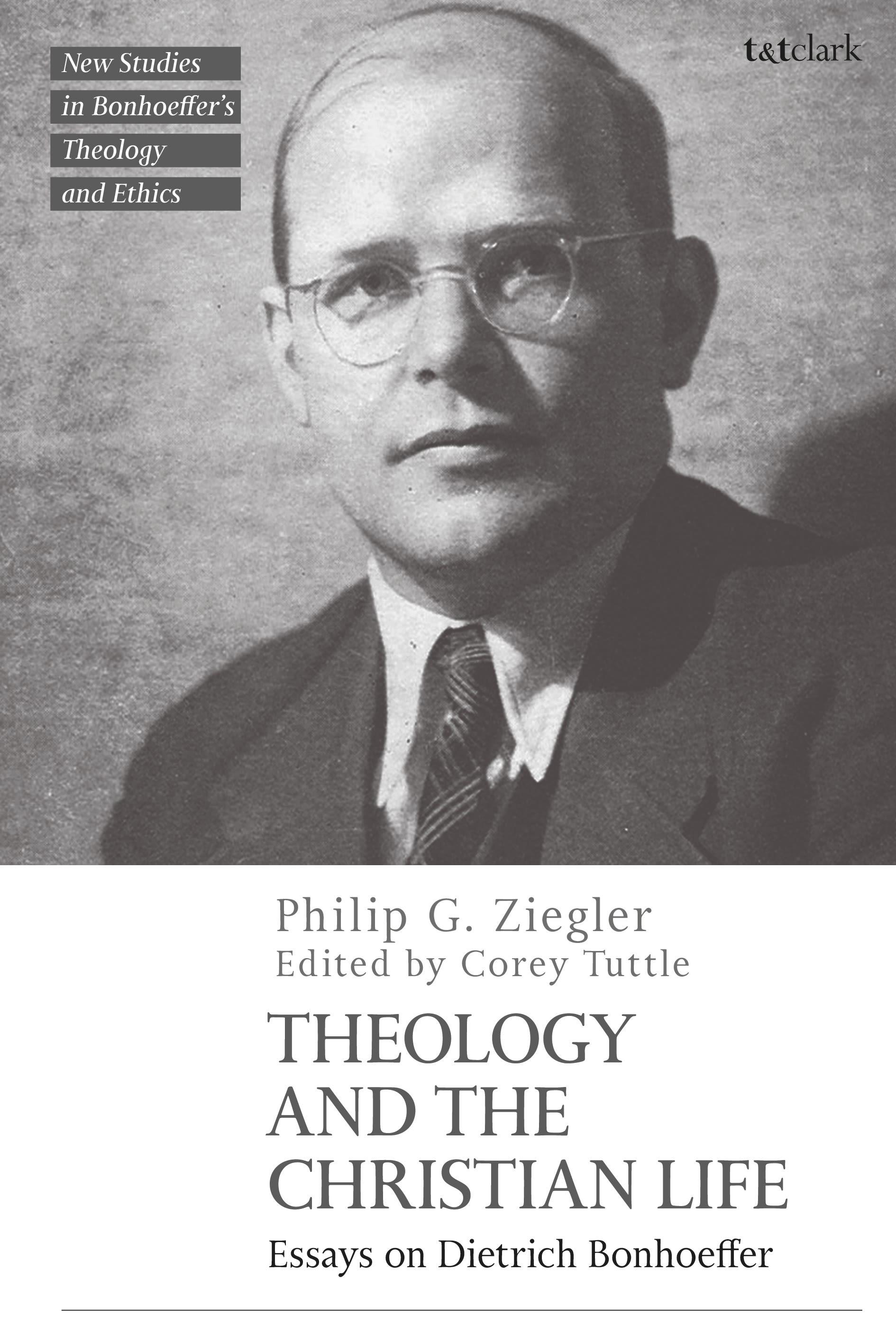
Offering a series of studies on key aspects of the Bonhoeffer's theology, this book emphasizes the biblical texture and dogmatic depth of his work and its continuing legacy.
The first part of the volume explores Bonhoeffer's work in Christology, Theology proper, and related doctrines. Ziegler argues that Bonhoeffer's fundamental orientation in theology and ethics is best captured and expressed when he is understood as theology of the Word of God. He offers an exposition of the commonly neglected Part II of Nachfolge, in its treatment of Pauline New Testament texts, as well as Bonhoeffer's promeity compared with the work of Kierkegaard. Ziegler examines Bonhoeffer's extended essay and biblical study on the theme of temptation, and concentrates on the role of eschatological concepts and themes in the Letters and Papers from Prison.
In its second part, the book explores elements of Bonhoeffer's ethical and political thinking, emphasizing throughout the deeply dogmatic substance and orientation of his work in these fields. This part offers explicit discussion of Bonhoeffer's ethics and his interpretation of soteriology, his reading and understanding of the Decalogue for Christian life and ethics, his views of the political service of the church and of Christians; and sustained reading and reflection on one of Bonhoeffer's final prison poems, Voices in the Night.
The first part of the volume explores Bonhoeffer's work in Christology, Theology proper, and related doctrines. Ziegler argues that Bonhoeffer's fundamental orientation in theology and ethics is best captured and expressed when he is understood as theology of the Word of God. He offers an exposition of the commonly neglected Part II of Nachfolge, in its treatment of Pauline New Testament texts, as well as Bonhoeffer's promeity compared with the work of Kierkegaard. Ziegler examines Bonhoeffer's extended essay and biblical study on the theme of temptation, and concentrates on the role of eschatological concepts and themes in the Letters and Papers from Prison.
In its second part, the book explores elements of Bonhoeffer's ethical and political thinking, emphasizing throughout the deeply dogmatic substance and orientation of his work in these fields. This part offers explicit discussion of Bonhoeffer's ethics and his interpretation of soteriology, his reading and understanding of the Decalogue for Christian life and ethics, his views of the political service of the church and of Christians; and sustained reading and reflection on one of Bonhoeffer's final prison poems, Voices in the Night.
Paga facilmente con carta, Klarna, Apple Pay o Google Pay. Non sei soddisfatto? Hai sempre 14 giorni per il rimborso. Leggi di più nei nostri termini. Per qualsiasi domanda, scrivici a hello@memmo.org.
Memmo rende lo studio più facile, ovunque tu sia nel mondo. Qui trovi i tuoi libri di testo e strumenti di studio intelligenti, tutto in un unico posto: riassunti, quiz, podcast e flashcard. E poi c'è Ted, il tuo compagno di studio che risponde a ogni tua domanda. Oltre 50.000 studenti studiano già qui: è stato creato per aiutarti a imparare più velocemente e a stressarti meno.