
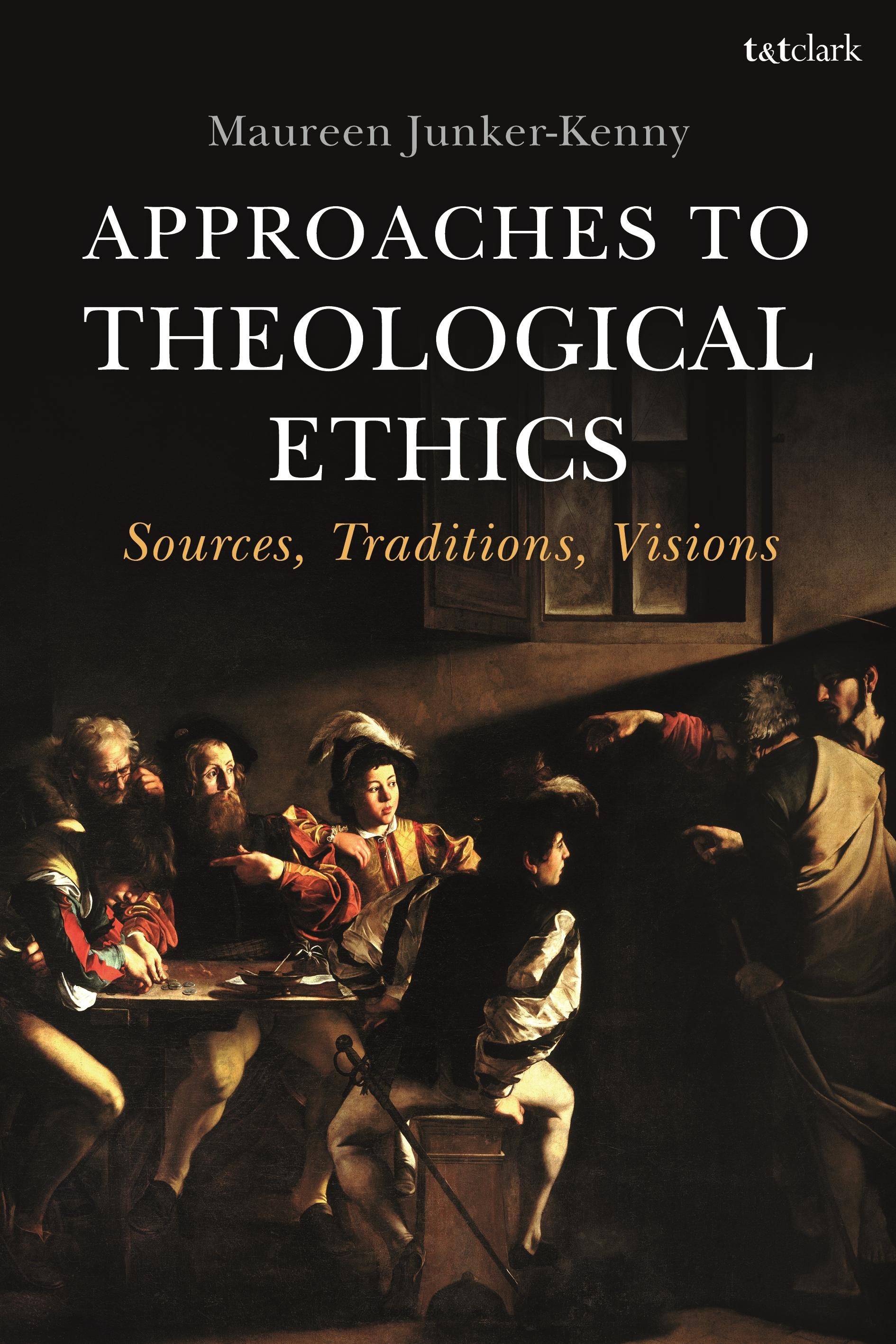
Maureen Junker-Kenny offers a systematic overview of the discipline of theological ethics in the variety of its approaches, which draw upon different philosophical traditions and theological visions in treating its sources. Part One examines the four sources of theological ethics: the Bible, tradition, philosophical accounts of the human, and the individual human sciences. Part Two compares five frameworks in English- and German-speaking theological ethics, based on virtue, worship, natural law, autonomy, and feminist analyses. Part Three compares three types of vision - integralist, praxis-oriented, and discourse-focused - , and Junker-Kenny concludes by situating the investigation of the discipline within contemporary philosophical and theological exchanges on religion in the public sphere.
The book provides a framework in which students can locate the specific use of core ethical concepts and argumentations, comparing how each approach relates to the Bible, to historical reason, theological thought, practical self-understandings and interdisciplinary perspectives on ethics in a scientific and technological culture.
In an age of globalisation where different cultures, religions, lifestyles and values meet in the workplace, in schools, and in public spaces shaped by religious and cultural traditions, it is necessary to foster the ability to create possibilities and venues for dialogue between different self-understandings. Analysing the variety of approaches to theological ethics helps articulate different visions of what constitutes a fulfilled life, of how the moral vocation of each human being can be supported, and of the role of the Christian faith for ethics.
The book provides a framework in which students can locate the specific use of core ethical concepts and argumentations, comparing how each approach relates to the Bible, to historical reason, theological thought, practical self-understandings and interdisciplinary perspectives on ethics in a scientific and technological culture.
In an age of globalisation where different cultures, religions, lifestyles and values meet in the workplace, in schools, and in public spaces shaped by religious and cultural traditions, it is necessary to foster the ability to create possibilities and venues for dialogue between different self-understandings. Analysing the variety of approaches to theological ethics helps articulate different visions of what constitutes a fulfilled life, of how the moral vocation of each human being can be supported, and of the role of the Christian faith for ethics.
Pagine: 272
Categoria: Religion & Teologi
e-ISBN: 9780567682987
Peso di spedizione: 1.2 kg
Spedito in: 1-2 giorni
Paga facilmente con carta, Klarna, Apple Pay o Google Pay. Non sei soddisfatto? Hai sempre 14 giorni per il rimborso. Leggi di più nei nostri termini. Per qualsiasi domanda, scrivici a hello@memmo.org.
Memmo rende lo studio più facile, ovunque tu sia nel mondo. Qui trovi i tuoi libri di testo e strumenti di studio intelligenti, tutto in un unico posto: riassunti, quiz, podcast e flashcard. E poi c'è Ted, il tuo compagno di studio che risponde a ogni tua domanda. Oltre 50.000 studenti studiano già qui: è stato creato per aiutarti a imparare più velocemente e a stressarti meno.