
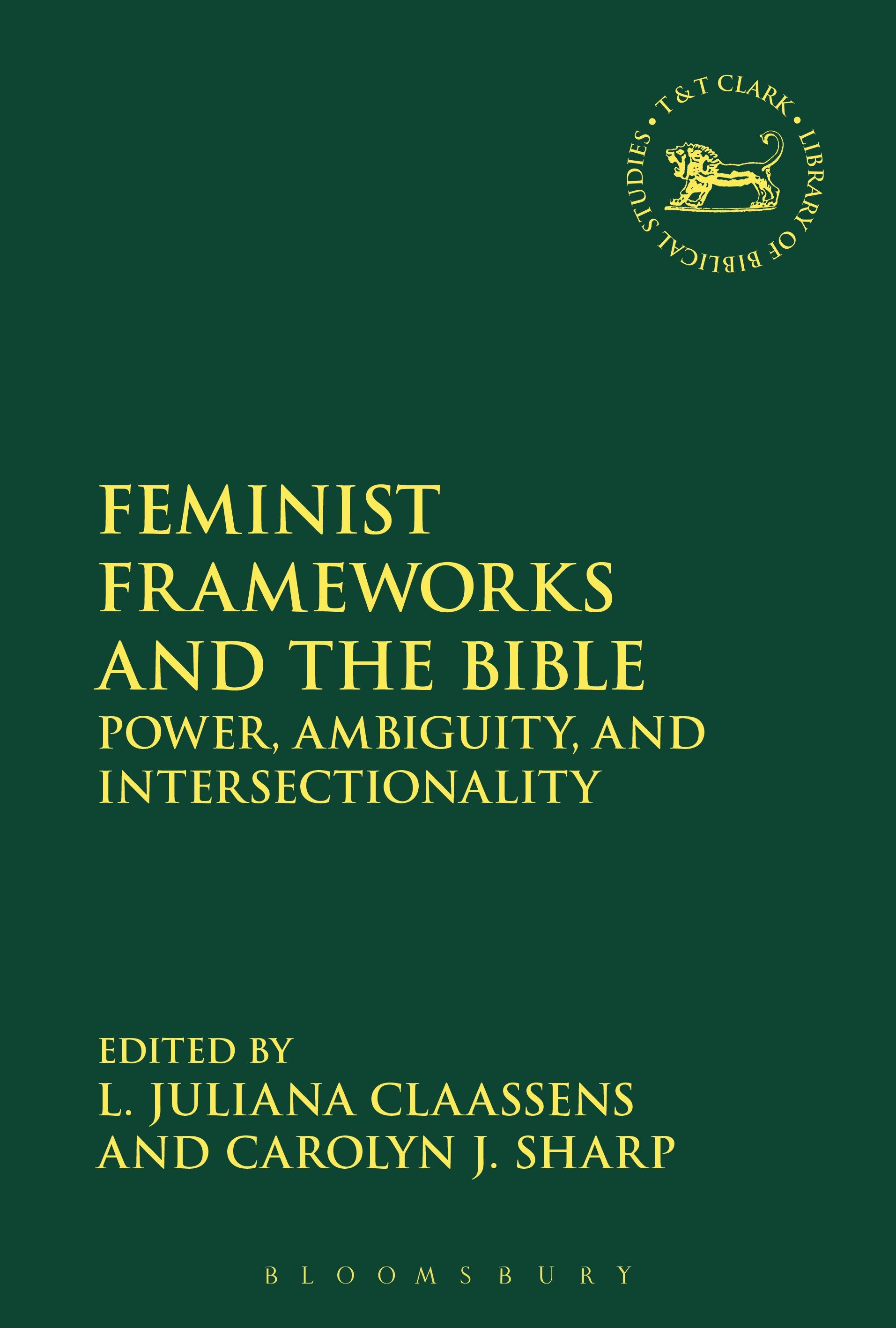
This volume on intercultural biblical interpretation includes essays by feminist scholars from Botswana, Germany, New Zealand, Nigeria, South Africa, and the United States. Reading from a rich variety of socio-cultural locations, contributors present their hermeneutical frameworks for interpretation of Hebrew Bible texts, each framework grounded in the writer's journey of professional or social formation and serving as a prism or optic for feminist critical analysis.
The volume hosts a lively conversation about the nature and significance of biblical interpretation in a global context, focusing on issues at the nexus of operations of power, textual ambiguity, and intersectionality. Engaged here are notions of biblical authority and postures of dissent; women's agency, discernment, rivalry, and alliance in ancient and contemporary contexts; ideological constructions of sexuality and power; interpretations related to indigeneity, racial identity, interethnic intimacy, and violence in colonial contexts; theologies of the feminine divine and feminist understandings of the sacred; convictions about interdependence and conditions of flourishing for all beings in creation; and ethics of resistance positioned over against dehumanization in political, theological, and hermeneutical praxes. Through their textual and contextual engagements, contributors articulate a broad spectrum of feminist insights into the possibilities for emancipatory visions of community.
The volume hosts a lively conversation about the nature and significance of biblical interpretation in a global context, focusing on issues at the nexus of operations of power, textual ambiguity, and intersectionality. Engaged here are notions of biblical authority and postures of dissent; women's agency, discernment, rivalry, and alliance in ancient and contemporary contexts; ideological constructions of sexuality and power; interpretations related to indigeneity, racial identity, interethnic intimacy, and violence in colonial contexts; theologies of the feminine divine and feminist understandings of the sacred; convictions about interdependence and conditions of flourishing for all beings in creation; and ethics of resistance positioned over against dehumanization in political, theological, and hermeneutical praxes. Through their textual and contextual engagements, contributors articulate a broad spectrum of feminist insights into the possibilities for emancipatory visions of community.
Paga facilmente con carta, Klarna, Apple Pay o Google Pay. Non sei soddisfatto? Hai sempre 14 giorni per il rimborso. Leggi di più nei nostri termini. Per qualsiasi domanda, scrivici a hello@memmo.org.
Memmo rende lo studio più facile, ovunque tu sia nel mondo. Qui trovi i tuoi libri di testo e strumenti di studio intelligenti, tutto in un unico posto: riassunti, quiz, podcast e flashcard. E poi c'è Ted, il tuo compagno di studio che risponde a ogni tua domanda. Oltre 50.000 studenti studiano già qui: è stato creato per aiutarti a imparare più velocemente e a stressarti meno.