
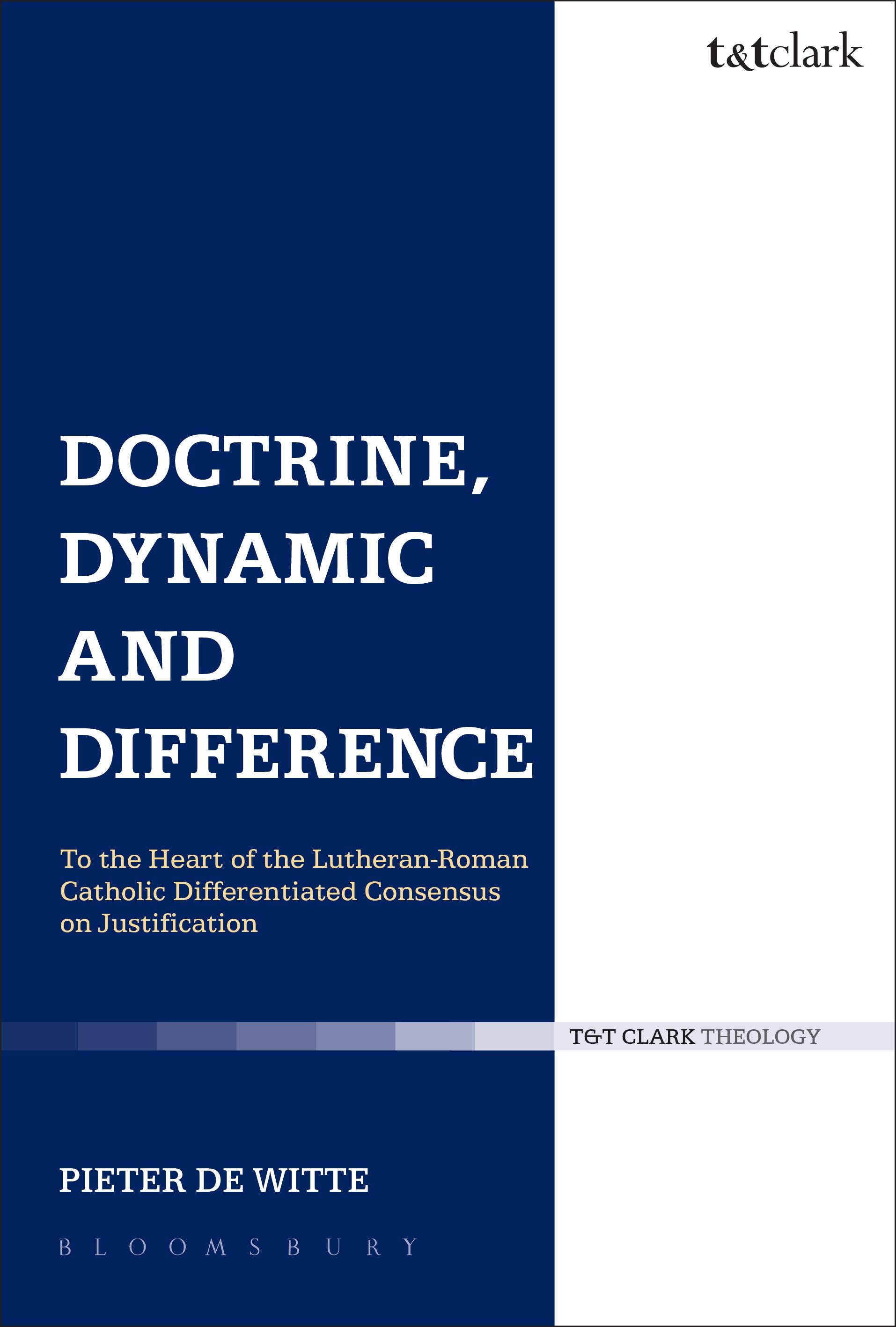
One of the most divisive issues in Western Christianity since the Reformation is the question of how humans are justified by God. In 1999, after many decades of ecumenical dialogue, Lutherans and Roman Catholics have declared that this issue of 'justification by faith' is no longer a cause of division between them. One of the fascinating features of this Joint Declaration on the Doctrine of Justification (JDDJ) is that it expresses a 'differentiated consensus' on justification.
The method of differentiated consensus is generally regarded as an important methodological step forward in the ecumenical dialogue. It has been used and referred to in ecumenical documents published after 1999. But what are its meaning and implications? This study attempts to clarify the method of differentiated consensus by (1) investigating the process of doctrinal rapprochement which led up to the JDDJ, (2) examining the way the consensus takes shape in the document itself, (3) analyzing arguments offered by critics and advocates of the official dialogue and (4) reflecting on the concept of doctrinal difference.
The method of differentiated consensus is generally regarded as an important methodological step forward in the ecumenical dialogue. It has been used and referred to in ecumenical documents published after 1999. But what are its meaning and implications? This study attempts to clarify the method of differentiated consensus by (1) investigating the process of doctrinal rapprochement which led up to the JDDJ, (2) examining the way the consensus takes shape in the document itself, (3) analyzing arguments offered by critics and advocates of the official dialogue and (4) reflecting on the concept of doctrinal difference.
Paga facilmente con carta, Klarna, Apple Pay o Google Pay. Non sei soddisfatto? Hai sempre 14 giorni per il rimborso. Leggi di più nei nostri termini. Per qualsiasi domanda, scrivici a hello@memmo.org.
Memmo rende lo studio più facile, ovunque tu sia nel mondo. Qui trovi i tuoi libri di testo e strumenti di studio intelligenti, tutto in un unico posto: riassunti, quiz, podcast e flashcard. E poi c'è Ted, il tuo compagno di studio che risponde a ogni tua domanda. Oltre 50.000 studenti studiano già qui: è stato creato per aiutarti a imparare più velocemente e a stressarti meno.