
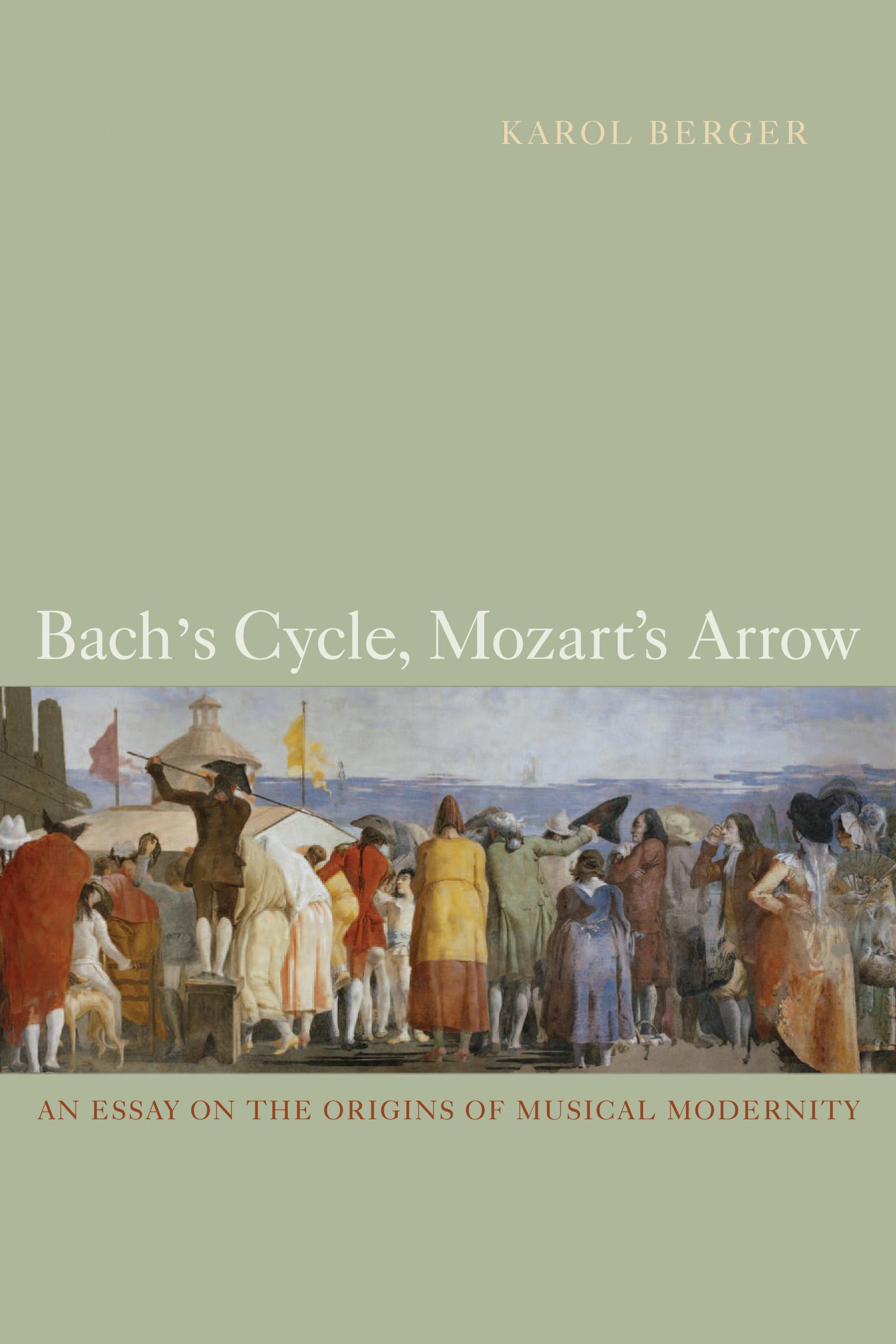
In this erudite and elegantly composed argument, Karol Berger uses the works of Monteverdi, Bach, Mozart, and Beethoven to support two groundbreaking claims: first, that it was only in the later eighteenth century that music began to take the flow of time from the past to the future seriously; second, that this change in the structure of musical time was an aspect of a larger transformation in the way educated Europeans began to imagine and think about time with the onset of modernity, a part of a shift from the premodern Christian outlook to the modern post-Christian worldview. Until this historical moment, as Berger illustrates in his analysis of Bach's St. Matthew Passion, music was simply "in time." Its successive events unfolded one after another, but the distinction between past and future, earlier and later, was not central to the way the music was experienced and understood. But after the shift, as he finds in looking at Mozart's Don Giovanni, the experience of linear time is transformed into music's essential subject matter; the cycle of time unbends and becomes an arrow. Berger complements these musical case studies with a rich survey of the philosophical, theological, and literary trends influencing artists during this period.
Pagine: 444
Categoria: Musikvetenskap
e-ISBN: 9780520933699
Peso di spedizione: 1.2 kg
Spedito in: 1-2 giorni
Paga facilmente con carta, Klarna, Apple Pay o Google Pay. Non sei soddisfatto? Hai sempre 14 giorni per il rimborso. Leggi di più nei nostri termini. Per qualsiasi domanda, scrivici a hello@memmo.org.
Memmo rende lo studio più facile, ovunque tu sia nel mondo. Qui trovi i tuoi libri di testo e strumenti di studio intelligenti, tutto in un unico posto: riassunti, quiz, podcast e flashcard. E poi c'è Ted, il tuo compagno di studio che risponde a ogni tua domanda. Oltre 50.000 studenti studiano già qui: è stato creato per aiutarti a imparare più velocemente e a stressarti meno.
Potrebbe interessarti anche
Acquista il libro0